

Nothing compares to the thrill of seeing a lion roam free in the wild. When planning your ultimate adventure, Safari Tours in Kenya offer an unmatched experience that brings you closer to nature. Kenya is globally recognized as the undisputed home of the classic African safari, boasting diverse landscapes, rich cultures and incredible wildlife. Whether you are an intrepid solo traveler on a strict budget or a couple looking for a premium luxury escape, booking your trip through www.masaiafricasafaris.com guarantees a memorable, tailor-made journey. This comprehensive guide breaks down everything you need to know about Kenya safari holidays.
Why Safari Tours in Kenya Are a Must-Do Experience.
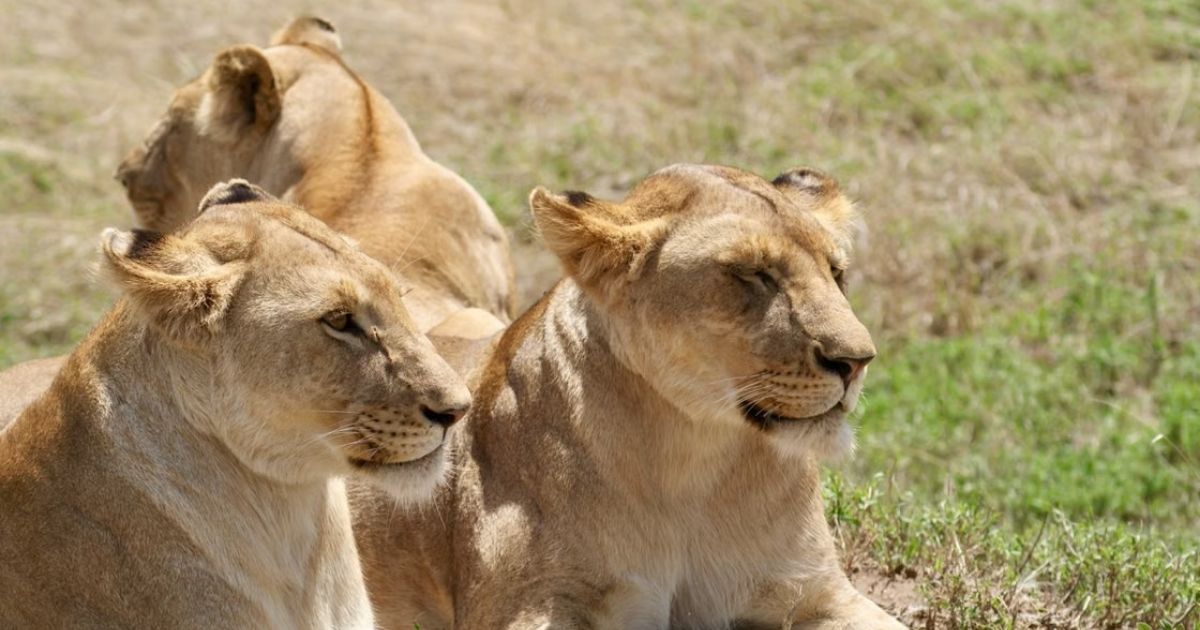
Kenya offers a front-row seat to some of the most dramatic wildlife encounters on the planet. The country’s vast savannahs and protected reserves are teeming with the famous Big Five: lions, leopards, elephants, rhinos and Cape buffalo. However, a safari here is about much more than just ticking animals off a list. It is about immersing yourself in the rhythm of the African bush and experiencing nature in its purest form.
The sheer diversity of the landscapes sets Kenya apart from other destinations. In a single itinerary, you can travel from the flamingo-fringed lakes of the Great Rift Valley to the arid, rugged terrains of the north and finally to the lush, open plains of the south. This geographical variety means that every game drive offers a completely unique backdrop and a different ecosystem to explore.
Furthermore, Kenya boasts exceptional conservation efforts and community-led wildlife initiatives. When you book Kenya safari packages, you are directly contributing to the protection of endangered species and supporting local Maasai and Samburu communities. This sustainable approach to tourism ensures that the breathtaking wildlife you see today will be preserved for generations to come.
Best Safari Destinations in Kenya.
To get the most out of your trip, it is essential to include the best Kenya safari destinations in your itinerary. Each park has its own unique charm, specialized wildlife and optimal viewing seasons.
1. Masai Mara National Reserve.
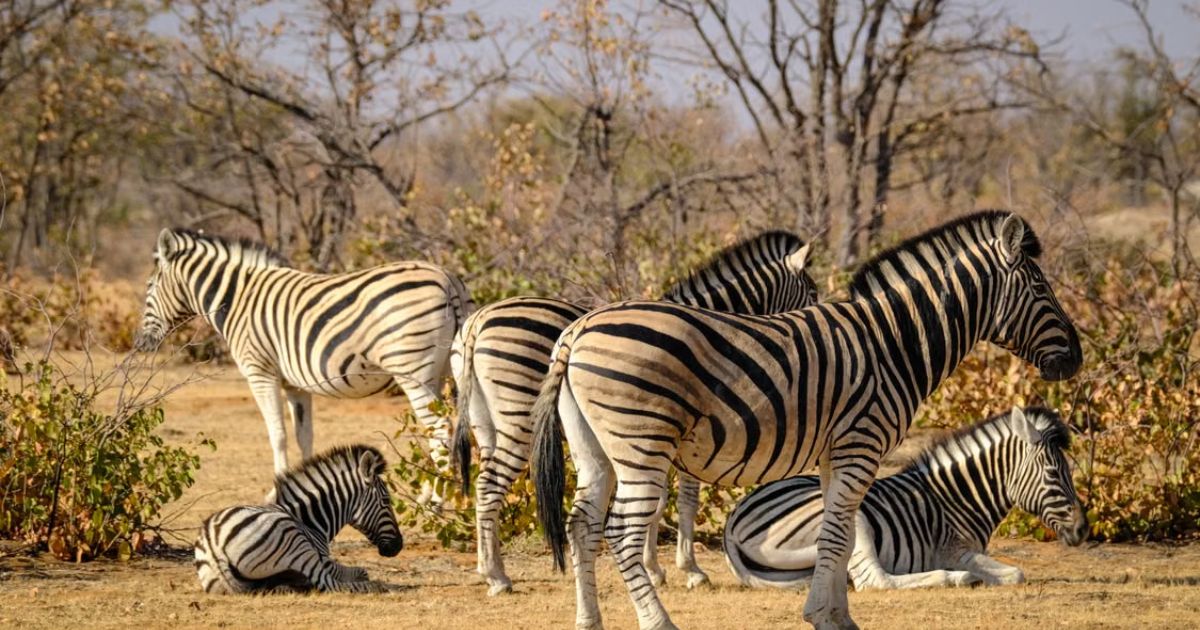
The Masai Mara is the crown jewel of Kenya’s wildlife parks. Famous for its exceptional population of big cats, it is the ultimate destination for predator sightings. The Mara is also the stage for the Great Wildebeest Migration, where millions of wildebeest, zebras and gazelles cross the perilous, crocodile-infested Mara River. This natural spectacle is a major reason why Masai Mara tours are highly sought after globally.
2. Amboseli National Park.
If you want to see large herds of free-roaming elephants, Amboseli is the place to be. Located in southern Kenya, this park provides the iconic, postcard-perfect backdrop of Mount Kilimanjaro. Because the vegetation is sparse during the dry months, wildlife viewing is incredibly easy and rewarding. Amboseli safari packages are perfect for photography enthusiasts looking for that classic African sunset shot.
3. Lake Nakuru National Park.
Nestled in the Great Rift Valley, Lake Nakuru is famous for its vibrant birdlife, particularly the flocks of pink flamingos that sometimes line its shores. Beyond the birds, the park is a highly successful sanctuary for both black and white rhinos. The wooded and bushy grasslands also hide elusive leopards and the rare Rothschild’s giraffe, making it a vital stop on most Kenya wildlife safaris.
4. Tsavo East and Tsavo West National Parks.
Together, Tsavo East and Tsavo West form one of the largest national parks in the world. Tsavo East is known for its vast, open plains and the famous “red elephants” that dust themselves in the rich volcanic soil. Tsavo West offers a more rugged, scenic landscape featuring the Mzima Springs, where you can watch hippos and crocodiles from an underwater viewing chamber.
5. Ol Pejeta Conservancy.
Located in the Laikipia region, Ol Pejeta is a trailblazer in wildlife conservation. It is the largest black rhino sanctuary in East Africa and home to the last remaining northern white rhinos on Earth. It also features a sanctuary for rescued chimpanzees. Including Ol Pejeta in your Kenya safari holidays adds a deep, educational layer to your wildlife experience.
Types of Safari Tours in Kenya.
Travelers have different preferences, and thankfully, Kenya caters to every style of exploration. Choosing the right type of tour will define your daily routine and overall comfort.
- Group Joining Safaris: These are excellent for solo travelers and those looking for affordable Kenya safari packages. By sharing a vehicle and a guide with other tourists, you significantly reduce the overall cost while making new friends from around the world.
- Private Safari Packages: Ideal for couples, honeymooners and families, private safaris offer complete flexibility. You have your own dedicated vehicle and driver-guide, meaning you can dictate the pace of your game drives and spend as much time as you want observing a specific animal.
- Fly-In Safaris: For those who want to maximize their time in the bush and minimize time on the road, fly-in safaris are the ultimate luxury. You take short, scenic flights from Nairobi directly to airstrips located inside the national parks, arriving fresh and ready for an afternoon game drive.
- Specialty Safaris: Many operators offer niche experiences, such as dedicated photography safaris led by professional wildlife photographers or walking safaris where you explore the bush on foot alongside armed rangers and Maasai trackers.
Safari Packages in Kenya for Every Budget.
When researching the best wildlife packages, it is important to remember that actual price figures change with time. Because costs fluctuate due to seasonal demand, changing park entry fees and fuel prices, relying on fixed numbers can be misleading. Instead, it is better to understand what different budget tiers typically include.
1. Budget Kenya Safari Packages.
Budget safaris are designed for the adventurous traveler who wants to prioritize wildlife viewing over luxury lodging. These packages usually involve traveling in a customized safari minivan and staying in basic, semi-permanent tented camps located just outside the park boundaries. While the accommodations are simple, you still get the exact same wildlife experience inside the parks as everyone else.
2. Mid-Range Safari Packages.
Mid-range packages hit the sweet spot between comfort and value. Visitors typically travel in either a private minivan or a shared 4×4 Land Cruiser. Accommodations are upgraded to comfortable, self-contained lodges or permanent luxury tents situated closer to the action, often inside the parks themselves. These properties usually feature amenities like swimming pools, buffet dining, and en-suite bathrooms.
3. Luxury Safari Packages in Kenya.
For a truly opulent experience, luxury safaris pull out all the stops. These packages utilize exclusive 4×4 Land Cruisers and often incorporate domestic flights to avoid long drives. Accommodations are in high-end, boutique lodges or exclusive glamping sites that offer gourmet dining, private plunge pools, spa treatments and personalized service. Extras like hot air balloon rides over the Mara are frequently included.
Best Time to Go on Safari in Kenya.
Timing your trip correctly can drastically alter your safari experience. Kenya is a year-round destination, but the seasons dictate animal behavior, landscape aesthetics, and crowd levels.
- The Dry Season (July to October): This is widely considered the best time for Safari Tours in Kenya. The bush is thin and water sources are scarce, which forces animals to congregate around rivers and waterholes, making them easy to spot. This period also coincides with the spectacular Great Wildebeest Migration in the Masai Mara.
- The Short Rains (November to December): A fantastic time for bird watchers, as migratory bird species arrive from Europe and North Africa. The rains are usually brief afternoon showers that clear up quickly, leaving the air fresh and the landscape free of dust.
- The Green Season (March to May): Known as the long rains, this season transforms the savannah into a lush, emerald paradise. While the heavy rains can make some dirt roads impassable, it is an incredible time for photography due to the dramatic skies and vibrant colors. It is also the calving season for many herbivores and because it is the low season, camps are quieter and packages are generally more affordable.
What to Pack for a Kenya Safari.
Packing smart ensures you remain comfortable during long game drives and changing weather conditions. The key is to pack light and focus on practicality.
- Clothing: Opt for lightweight, breathable fabrics in neutral colors like khaki, olive green, and brown to blend in with the environment. Avoid dark blue or black, which can attract tsetse flies. Bring layers, as early morning game drives can be surprisingly chilly, while afternoons get very hot.
- Footwear: Comfortable walking shoes or trail sneakers are perfect for most days. Heavy hiking boots are only necessary if you plan on doing extensive walking safaris or mountain climbing.
- Safari Gear: A good pair of binoculars is essential for spotting distant wildlife. Bring a reliable camera with a zoom lens, extra memory cards and power banks, as charging facilities in some remote camps can be limited.
- Health Essentials: Pack a strong insect repellent containing DEET, a wide-brimmed hat, high-SPF sunscreen and sunglasses. Don’t forget a basic personal first aid kit and any prescribed medications.
How to Choose a Safari Operator in Kenya.
The success of your trip largely depends on the expertise of your tour operator and your driver-guide. Your guide is your window into the wild; their ability to spot hidden animals and explain complex ecosystems will make or break your trip.
Always look for a reputable, locally-based company with a proven track record. Local operators have deep, on-the-ground knowledge of the terrain, weather patterns, and wildlife movements. By booking with www.masaiafricasafaris.com, you ensure that your itinerary is crafted by experts who prioritize safety, comfort and unforgettable wildlife encounters. They offer seamless communication and flexible packages that adapt to your specific preferences.
Conclusion.
Embarking on Safari Tours in Kenya is a transformative experience that stays with you long after you have returned home. From the roaring lions of the Masai Mara to the gentle giants of Amboseli, the country’s wildlife packages offer a magnificent escape into the heart of nature. Whether you are carefully managing your spending with a budget adventure or indulging in a world-class luxury retreat, Kenya delivers consistently breathtaking moments.
Stop dreaming about the African savannah and start making it a reality. With careful planning, the right destinations, and a trusted operator, your perfect adventure awaits. Visit www.masaiafricasafaris.com today to explore top-rated itineraries, connect with local travel experts and book the wildlife safari of a lifetime.
10 Frequently Asked Questions (FAQs).
1. What is the best time to go on Safari Tours in Kenya?
The most popular time is during the dry season from July to October, which coincides with the Great Wildebeest Migration. However, Kenya offers excellent year-round game viewing and the green season (March to May) is beautiful for photography and avoiding large crowds.
2. What is usually included in Kenya wildlife packages?
Standard packages generally cover your accommodation, all meals while on safari, daily game drives in a specialized vehicle, the services of a professional driver-guide and round-trip transportation from Nairobi.
3. Are national park entry fees included in the package?
Most comprehensive tour packages include the daily park conservation fees in the upfront cost. However, always confirm your itinerary details to ensure there are no hidden surprises upon arriving at the park gates.
4. How many days are ideal for a Kenya safari holiday?
A minimum of 3 to 4 days is recommended to explore one major park like the Masai Mara. For a well-rounded experience covering multiple ecosystems (such as Amboseli, Lake Nakuru and the Mara), an itinerary of 7 to 10 days is ideal.
5. How much do Safari Tours in Kenya typically cost?
Because actual price figures change with time due to fluctuations in seasonality, accommodation rates and park fees, there is no single fixed price. Costs depend heavily on whether you choose budget camping, mid-range lodges or luxury fly-in experiences. It is best to request a customized quote based on your preferred tier.
6. Is a Kenya safari safe for children and families?
Absolutely. Many lodges and camps are highly family-friendly, offering family tents, swimming pools and specialized activities for kids. Private safaris are highly recommended for families so you can tailor the length of the game drives to your children’s attention spans.
7. Which is better for wildlife: Masai Mara or Amboseli?
Both are spectacular but offer different highlights. The Masai Mara is unbeatable for big cats and the Great Migration. Amboseli is globally renowned for its massive elephant herds and views of Mount Kilimanjaro. Many itineraries easily combine both.
8. What kind of vehicles are used for Kenya safari tours?
Operators primarily use two types of vehicles: custom safari minivans with pop-up roofs for budget and mid-range tours and rugged 4×4 Safari Land Cruisers. Although for luxury and private packages they are standard because they handle rough terrain better.
9. Do I need any specific vaccinations before traveling?
Yes, visitors are generally advised to get a Yellow Fever vaccination, and it is a strict requirement if you are arriving from a Yellow Fever endemic country. It is also highly recommended to take anti-malaria medication. Always consult your doctor before traveling.
10. How do I book the best itinerary for my trip?
For a stress-free planning process and expertly crafted itineraries, you should book through a trusted local operator. You can browse various packages and request a custom travel plan by visiting www.masaiafricasafaris.com.