

Dreaming of standing beneath the majestic peak of Mount Kilimanjaro while giant elephant herds roam past, followed by the spine-tingling thrill of watching lions track prey across open savannahs? A Masai Mara and Amboseli Safari is the ultimate African adventure, combining Kenya’s two most famous wildlife destinations into one unforgettable week. To turn your travel dreams into an effortless reality, Masai Africa Safaris offers expertly crafted itineraries that showcase the best of Kenya’s wild spaces.
In this guide, you will discover the best 7-day Kenya safari itinerary, day-by-day travel details, seasonal tips, costs and expert advice to help you plan an extraordinary wildlife holiday.
Why Combine Masai Mara and Amboseli National Park?
When planning a trip to East Africa, traveler reviews consistently highlight two destinations: Amboseli National Park and the Masai Mara National Reserve. Pairing these two iconic parks in a single 7-day trip gives you a complete cross-section of Kenya’s natural beauty and wildlife diversity.
Contrast of Landscapes and Wildlife.
- Amboseli National Park is world-famous for its massive elephant herds, shallow dusty plains and marshlands fed by underground streams from Mount Kilimanjaro. It offers some of the best opportunities in Africa for wildlife photography against snow-capped peaks.
- Masai Mara National Reserve features endless rolling grasslands, acacia-spotted hills, and riverine forests packed with predators like lions, cheetahs and leopards.
The Big Five and the Great Migration.
Together, these parks guarantee unparalleled game viewing. In Amboseli, you encounter large lion prides, hippos and over 400 bird species. Moving on to the Masai Mara, you step into the world-famous theater of the Great Wildebeest Migration, where over two million wildebeest, zebras and gazelles cross crocodile-infested rivers between July and October.

Best Time of Year for a Masai Mara and Amboseli Safari.
Kenya is a year-round safari destination, but your experience depends heavily on the weather and animal movements.
| Season | Months | Highlights | What to Expect |
| Peak / Dry Season | July – October | Great Wildebeest Migration, clear skies, easy animal spotting | Highest demand, prime wildlife viewing, warmer days |
| Green / Shoulder Season | November – March | Newborn animals, lush green scenery, migratory birds | Lower crowds, excellent photography, mild afternoon showers |
| Low / Rain Season | April – June | Budget-friendly rates, quiet parks, dramatic cloudscapes | Heavy rains, muddy roads, vegetation is dense |
If watching river crossings in the Masai Mara is high on your bucket list, plan your trip between July and September. If you prefer fewer crowds and lower lodge rates while still enjoying excellent game viewing, January to March is an ideal window.
The Ultimate 7-Day Masai Mara and Amboseli Safari Itinerary.
This carefully curated 7-day road-and-game itinerary optimizes travel times, minimizes fatigue and delivers maximum time on game drives.
Alternative 7-Day Route: Fly-In Safari Package.
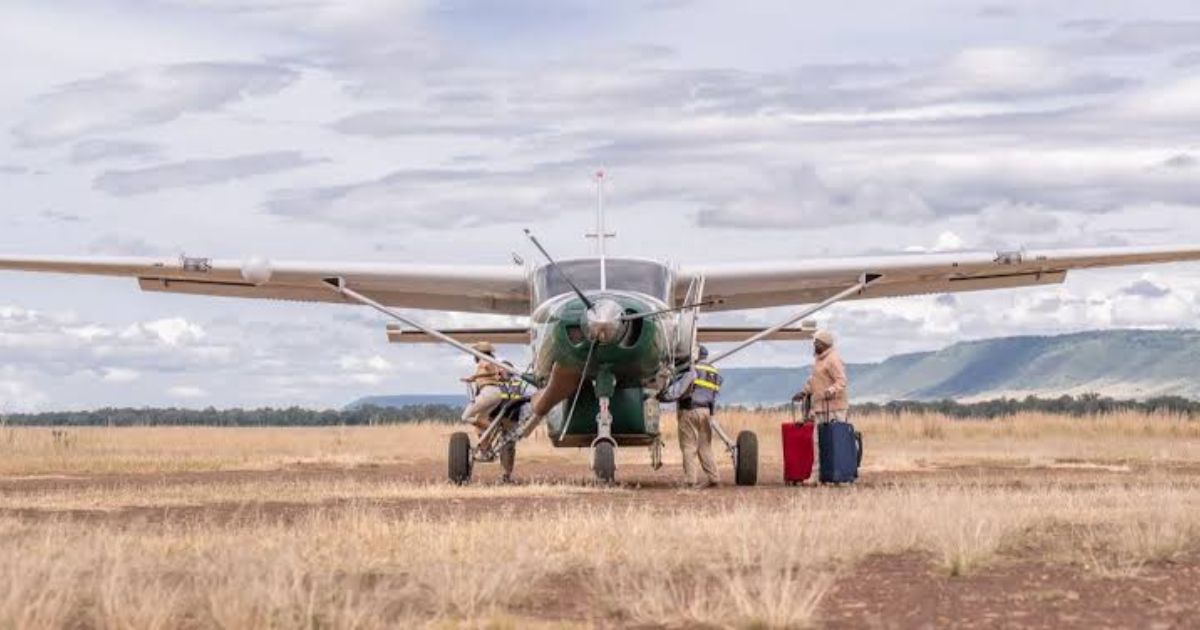
For travelers looking to minimize drive times between parks, a Fly-In Safari offers a faster and more comfortable alternative to road transport.
Drive vs. Fly Comparison.
| Option | Transport Type | Travel Time Between Parks | Best For |
| Road Safari | 4×4 Land Cruiser / Van | 4 to 6 hours per leg | Budget-conscious travelers, scenic lovers |
| Fly-In Safari | Bush Plane (Bush Airstrips) | 45 to 90 minutes per flight | Luxury travelers, families with young children, short trips |
By opting for domestic flights between Wilson Airport (Nairobi), Amboseli Airstrip and Mara Airstrips, you save up to 15 hours of driving, allowing you to spend more time on actual game drives. You can customize fly-in itineraries directly through Masai Africa Safaris.
How Much Does a 7-Day Kenya Safari Cost?
The cost of a Masai Mara and Amboseli Safari varies depending on accommodation tiers, season of travel and transportation choices.
Key Factors Influencing Safari Pricing.
- Park Entry Fees: Kenya Wildlife Service (KWS) and county park entrance fees are fixed costs per person per 24-hour period.
- Vehicle Type: Choosing a customized private 4×4 Toyota Land Cruiser with a pop-up roof provides superior comfort and off-road capability compared to standard safari vans.
- Accommodation Level: Tented camps outside reserve gates cost significantly less than high-end luxury lodges situated inside the park boundaries.
Essential Travel & Packing Tips for Kenya.
Preparing for your safari ensures a smooth and comfortable experience from start to finish.
Safari Packing Checklist:
- Neutral Clothing: Pack lightweight clothing in khaki, beige, or green colors. Avoid bright colors and dark blue/black (which attract tsetse flies).
- Warm Layers: Mornings and evenings in Amboseli and the Mara can be surprisingly cold. Bring a fleece jacket or light windbreaker.
- Footwear: Comfortable walking shoes or sturdy trail sneakers for bush walks and village visits.
- Camera & Optics: A DSLR or mirrorless camera with a zoom lens (200mm to 600mm) and compact binoculars (10*42).
- Sun & Insect Protection: High-SPF sunscreen, wide-brimmed safari hat, sunglasses, and DEET-based insect repellent.
10 Frequently Asked Questions (FAQs)
1. Is a 7-day safari enough time for Masai Mara and Amboseli?
Yes! A 7-day period is the ideal timeframe to combine both parks without feeling rushed. It allows two nights in Amboseli, one night at Lake Naivasha, and three nights in the Masai Mara for a complete Kenya wildlife experience.
2. Is it safe to travel to Kenya for a safari?
Kenya is generally very safe for international tourists, particularly within wildlife reserves, national parks and tourist circuits. Working with an accredited operator like Masai Africa Safaris ensures professional guidance, safe vehicles, and 24/7 support throughout your holiday.
3. Can I see Mount Kilimanjaro from Amboseli National Park?
Yes, Amboseli offers the best views of Mount Kilimanjaro in the world. The mountain is most clearly visible early in the morning and late in the afternoon before cloud cover builds over the peak.
4. What is the difference between Masai Mara and Amboseli?
Amboseli is smaller and famous for its huge elephant herds, swamps and views of Mount Kilimanjaro. The Masai Mara is larger, features wide open savannahs, has a higher density of big cats and hosts the annual Great Migration.
5. Can I see the Big Five on this 7-day itinerary?
Yes. Between Amboseli and Masai Mara, your chances of seeing all Big Five animals (lion, leopard, elephant, buffalo and rhino) are exceptionally high.
6. Do I need vaccinations before visiting Kenya?
A Yellow Fever vaccination certificate is required if traveling from endemic countries. Routine vaccines like Hepatitis A, Typhoid and Tetanus are recommended, alongside malaria prophylaxis. Consult your local travel clinic before traveling.
7. What type of safari vehicle is best?
A private 4×4 Toyota Land Cruiser with a pop-up roof is highly recommended. It handles rough terrain smoothly, offers elevated views for photography, and handles mud easily during rain showers.
8. Is this safari suitable for families with children?
Absolutedly. Both Amboseli and Masai Mara offer child-friendly lodges, swimming pools and educational game drives that make for an unforgettable family vacation.
9. How do I book a customized 7-day Kenya safari?
You can request custom itineraries, check lodge availability and secure reservations directly online by visiting Masai Africa Safaris.
10. What currency should I bring on a safari in Kenya?
US Dollars (USD) are widely accepted at safari lodges and tourist venues, alongside the Kenya Shilling (KES). Ensure your USD bills are printed after 2013, as older notes are rarely accepted by local banks.
Book Your Dream Masai Mara and Amboseli Safari Today.
A Masai Mara and Amboseli Safari delivers the classic East African travel experience: huge elephant herds under Mount Kilimanjaro, dramatic predator hunts across golden savannahs, and authentic cultural encounters with Masai warriors.
Whether you prefer a private road trip in a 4×4 Land Cruiser or a luxury fly-in package, working with local experts makes all the difference. Start planning your personalized 7-day itinerary today with Masai Africa Safaris and get ready for the adventure of a lifetime.