

Imagine waking up to the golden sunrise over the savanna, with the distant roar of a lion echoing in the crisp morning air. When planning this dream vacation, finding the best Safari Packages in Kenya is your very first step to an unforgettable adventure. There are many choices, and making the wrong one can cost you time and money. That is exactly where www.masaiafricasafaris.com comes in to help you match your travel style, budget and wildlife goals to the perfect journey. In this complete and easy-to-understand guide, we will break down everything you need to know to choose the right safari holiday.
Why You Need to Compare Safari Packages Carefully.
Kenya is the true home of the African safari. With dozens of national parks, private wildlife conservancies, and hundreds of camps and lodges, no two trips are exactly the same.
Many travelers make the mistake of simply booking the first cheap tour they find online. However, a safari is a major investment of your time and money. By taking the time to compare different Kenya wildlife tours, you ensure that you are getting exactly what you want. A good package removes the stress of travel. It bundles your accommodation, park entry fees, daily meals, transport and expert guides into one seamless experience. Knowing how to choose the right package means you get to spend your time enjoying the wildlife, rather than worrying about the logistics.

Understanding the 3 Main Types of Safari Packages.
When you start searching for Kenya safari tours, you will quickly notice that prices vary greatly. This is because packages are generally divided into three main categories based on comfort, privacy and transport.
1. Budget Safari Packages.
Budget safaris are ideal for solo travelers, backpackers, and young couples who want to see wildlife without spending a fortune.
- Transport: You will usually travel in a customized safari minivan with a pop-up roof. You will share this vehicle with up to six other travelers.
- Accommodation: You will stay in basic camping tents set up in public campsites, or in simple budget hotels located just outside the national park borders.
- The Experience: While the wildlife viewing is still fantastic, you have less flexibility. The schedule is fixed and you cannot ask the driver to stay longer at a specific animal sighting if the rest of the group wants to move on.
2. Mid-Range Safari Packages.
For most travelers, a mid-range package is the perfect “sweet spot.” It offers excellent value, comfort, and a much more private experience.
- Transport: You will travel in a private 4×4 Land Cruiser. This vehicle is tough, comfortable and handles rough dirt roads beautifully.
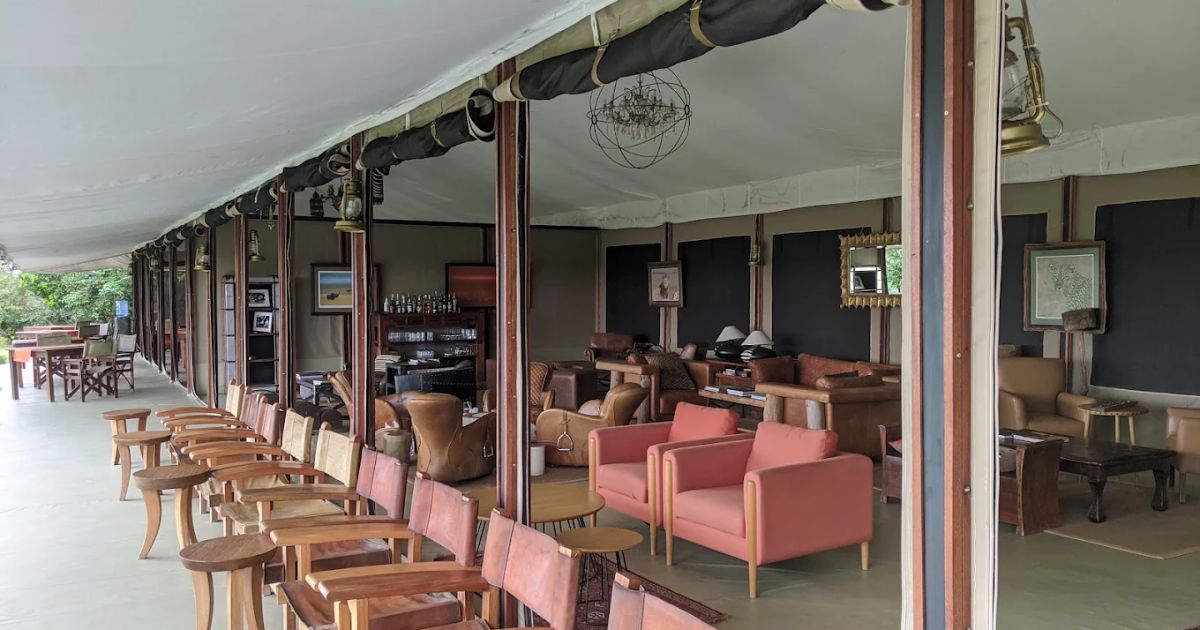
- Accommodation: You will stay in comfortable, en-suite canvas tents or lovely mid-sized lodges. These are usually located right inside the parks or very close to the entry gates. You get a real bed, hot showers and great food.
- The Experience: Because you have a private vehicle and your own guide, you control the pace of the day. If you want to sit and watch a leopard in a tree for two hours, you can. To find the best mid-range options, browsing through www.masaiafricasafaris.com is highly recommended.
3. Luxury Safari Packages.
If you want the ultimate dream vacation, a luxury African safari delivers VIP treatment from start to finish.
- Transport: Many luxury packages are “fly-in” safaris. You take a small airplane from Nairobi directly to a dirt airstrip in the wild, saving you hours of driving.
- Accommodation: You will stay in premium 5-star lodges or exclusive luxury tented camps. These camps often feature private plunge pools, spa services and gourmet dining under the stars.
- The Experience: Luxury safaris often take place in private conservancies. This means you escape the crowds of the main parks. You can also enjoy special activities like guided bush walks, night game drives and romantic bush breakfasts.
Key Factors to Consider When Choosing Your Safari.
Before you book anything, you need to ask yourself a few important questions. Your answers will help you filter through the hundreds of Safari Packages in Kenya to find the one that fits you best.
1. Your Travel Budget.
Be honest about what you can afford. Remember that expensive does not always mean better. A well-planned mid-range tour can be just as exciting as a luxury one. Always check what is included in the price. Hidden costs like park fees, drinks or extra activities can add up quickly if they are not part of your original package.
2. Your Travel Companions.
Who are you traveling with?
- Families with small children: You will want a package that limits long driving times. Look for lodges that have swimming pools, family rooms and flexible meal times.
- Honeymooners: You might prefer a luxury package with romantic add-ons like a hot air balloon ride or private dinners.
- Photographers: You will need a private vehicle so you have plenty of room for your camera gear and the freedom to wait for the perfect light.
3. Your Available Time.
How many days do you have? If you only have 3 days, it is best to stick to just one park, like the Maasai Mara. Trying to visit three parks in three days means you will spend your entire vacation looking at the highway instead of animals. If you want to explore different landscapes, a 7 to 10-day safari package is ideal.
Top Destinations to Include in Your Safari Package.
Kenya has incredibly diverse landscapes. The best safari holidays usually combine two or three different parks to give you a complete picture of African wildlife. Here are the top destinations you should look for in your itinerary:
1. Maasai Mara National Reserve.
The Maasai Mara is the jewel of Kenya. It is famous globally for its high population of big cats—lions, leopards and cheetahs. If you visit between July and October, the Mara hosts the Great Wildebeest Migration. Millions of wildebeests and zebras cross the crocodile-infested Mara River in a stunning display of survival. Every good safari package should include at least two or three nights here.
2. Amboseli National Park.
If you love elephants, Amboseli is a must-visit. This park is known for having massive herds of elephants with some of the largest tusks in Africa. The best part? Amboseli sits right at the bottom of Mount Kilimanjaro. On a clear morning, you can take breathtaking photos of wildlife with the snow-capped mountain towering in the background.
3. Lake Nakuru National Park.
Lake Nakuru is famous for its vibrant birdlife, especially the flocks of pink flamingos that gather along the shores. Beyond birds, this park is one of the best places in Kenya to see both black and white rhinos. It is also known for tree-climbing lions and the rare Rothschild’s giraffe. Because it is relatively close to Nairobi, it is a great stopover on a longer road safari.
4. Tsavo East and Tsavo West.
Tsavo is Kenya’s largest national park, split into two sections. It is a wild, rugged, and untamed landscape. Tsavo is famous for its “red elephants,” which get their color from rolling in the rich red volcanic soil. It is less crowded than the Maasai Mara, making it perfect for travelers who want a quiet, off-the-beaten-path adventure.
Road Safaris vs. Fly-In Safaris: Which is Better?
When browsing Safari Packages in Kenya, you will have to choose how you want to get from one park to another.
The Road Safari Experience.
A road safari means you will be driven by your guide from Nairobi to all the parks in your itinerary.
- Pros: It is much more affordable. You also get to see the real Kenya—the local villages, the Great Rift Valley and the changing landscapes. It is a great way to bond with your driver-guide.
- Cons: The distances can be long, and some rural roads are very bumpy and dusty.
The Fly-In Safari Experience.
On a fly-in safari, you take domestic flights between the parks. Your guide will pick you up at the local airstrip.
- Pros: It saves a massive amount of time. A drive that takes six hours can be reduced to a 45-minute flight, giving you much more time to actually view wildlife. It is highly recommended for shorter trips or for older travelers.
- Cons: It is significantly more expensive and small airplanes have strict luggage weight limits (usually around 15 kgs in soft bags).
What is Usually Included in a Standard Package?.
One of the most important things to check before you hand over your credit card is the list of inclusions and exclusions. A trustworthy tour operator will be fully transparent about this.
Most good Safari Packages in Kenya will include:
- Accommodation: All your nights in lodges or camps.
- Meals: Usually “Full Board,” meaning breakfast, lunch, and dinner are provided every day.
- Transport: The safari vehicle (van or 4×4) and fuel.
- Driver/Guide: The daily services of a professional, English-speaking wildlife guide.
- Park Entry Fees: The daily tickets required to enter the national parks (which can be quite expensive).
- Transfers: Picking you up and dropping you off at the airport.
What is usually EXCLUDED:
- International flights to and from your home country.
- Tourist Visas (you must apply online before you arrive).
- Travel and medical insurance (highly recommended).
- Tips and gratuities for your guide and camp staff.
- Personal expenses like alcoholic drinks, laundry and souvenirs.
The Best Time of Year to Book Your Safari.
Kenya offers great wildlife viewing all year round, but the experience changes depending on the weather.
- The Peak Season (July to October): This is the dry season and the absolute best time for wildlife viewing. The grass is short, making animals easy to spot. It is also the time of the Great Migration in the Maasai Mara. However, this is when packages are most expensive and the parks are most crowded.
- The Green Season (November to May): Also known as the wet season. The landscape turns beautifully green and lush. While heavy rains can make some roads muddy, it is an amazing time for bird watching and photography because the dust is settled. Plus, safari prices are much lower and you will have the parks almost entirely to yourself.
Common Mistakes to Avoid When Booking.
To make sure your trip is a 10/10 success, avoid these common traps:
- Rushing the Itinerary: Do not try to visit four parks in five days. You will be exhausted. Slow down and spend at least two nights at each location.
- Focusing Only on the Big Five: While seeing lions, leopards, rhinos, elephants and buffalo is amazing, do not ignore the smaller details. Enjoy the birds, the funny baboons and the beautiful sunsets.
- Overpacking: Safari vehicles have limited space. Bring soft duffel bags instead of hard suitcases. Pack light, comfortable clothes in neutral colors (khaki, brown, green) so you blend into the environment.
- Not Using a Local Expert: Booking directly with a trusted local company guarantees better service and better prices. They know the current road conditions and the best secret spots.
Conclusion: Safari Packages in Kenya
Choosing the right African adventure does not have to be stressful. By understanding the differences between budget, mid-range, and luxury options and by knowing exactly what you want out of your trip, you can easily find the perfect fit. Always remember to pace yourself, choose parks that match your wildlife interests and verify what is included in your price.
Ready to turn this dream into a reality? To explore the most carefully crafted and highly rated Safari Packages in Kenya, visit www.masaiafricasafaris.com. Their local experts will help you customize an itinerary that fits your exact budget and travel style. Pack your bags, grab your camera and get ready for the journey of a lifetime!
FAQs About Safari Packages in Kenya.
1. What is the average cost of Safari Packages in Kenya?
The cost of Safari Packages in Kenya varies depending on the type of safari, number of days, accommodation, transport, destinations, travel season and activities included. Budget, mid-range and luxury packages are available, allowing travelers to choose an option that matches their travel style and budget. For a safari package tailored to your requirements, visit www.masaiafricasafaris.com.
2. How many days should a Kenya safari be?
While you can do a short 3-day trip to one park, the ideal duration is 5 to 7 days. This allows you enough time to visit two or three different wildlife areas without feeling rushed or spending all your time in a vehicle.
3. Which is the best month to go on a safari in Kenya?
The absolute best time for pure wildlife viewing and witnessing the Great Migration is between July and October. However, January to March is also excellent due to dry weather. If you want lower prices and fewer crowds, the green season (April to June) is a smart choice.
4. Are Safari Packages in Kenya safe for families?
Yes, absolutely! Safaris are incredibly family-friendly. Many lodges have family suites, swimming pools and special activities for children. Just be sure to book a private vehicle so you can adjust your driving times to keep the kids comfortable.
5. Do safari packages include flights?
Standard Safari Packages in Kenya do not include your international flights. However, if you book a “fly-in safari,” your domestic bush flights between Nairobi and the national parks will be included in the overall package price.
6. What is the difference between a national park and a private conservancy?
National parks are government-owned and open to the public, meaning they can get crowded. Private conservancies are community-owned land bordering the parks. They strictly limit the number of visitors and allow special activities like night drives and walking safaris, which are banned in national parks.
7. Can I customize my safari package?
Yes! The best tour operators do not force you into a rigid schedule. You can completely customize your trip by adding extra days, upgrading your lodge or adding a beach trip to Mombasa at the end. Reach out to www.masaiafricasafaris.com to build a personalized itinerary.
8. What clothes should I pack for a Kenya safari?
Pack light, comfortable clothing in neutral colors like khaki, beige and olive green. Avoid bright colors and dark blue or black, which attract tsetse flies. Always bring layers—mornings in the savanna can be surprisingly cold, but it gets very hot by midday.
9. Is the Great Migration guaranteed on every safari?
No, the Great Migration is a natural event and moves depending on the rainfall. The herds are typically only in Kenya’s Maasai Mara from July to October. If you travel outside these months, you will not see the massive river crossings, but the Maasai Mara still has incredible year-round resident wildlife.
10. How do I book reliable Safari Packages in Kenya?
The safest way is to book directly with a certified, locally-owned tour operator. They have the best on-the-ground knowledge and can handle emergencies smoothly. To ensure a flawless and secure booking experience, visit www.masaiafricasafaris.com to speak with a verified local expert.