

Are you dreaming of witnessing millions of wildebeest crossing the golden savannah or spotting a majestic lion resting under an ancient acacia tree? A Kenya and Tanzania safari offers the ultimate wildlife adventure, bringing together the world’s most famous national parks into one seamless, unforgettable journey. For expert guidance, custom travel planning and the best local insights, visit www.masaiafricasafaris.com today to bring your African dream to life.
Throughout this comprehensive guide, we will explore the best travel options, top destinations and perfect itineraries to help you plan.
Why Choose a Combined Kenya and Tanzania Safari?
When you plan an East Africa vacation, you might wonder if you should stick to just one country to save time. However, a combined Kenya and Tanzania safari gives you the most complete wildlife experience on Earth. Instead of choosing between two incredible nations, you get to explore the absolute best of both worlds in a single trip.
One of the biggest reasons to combine these destinations is to experience the Great Migration safari from multiple angles. The border between these two countries is merely a human invention; the animals roam freely across the entire ecosystem in search of fresh grass and water. By visiting both sides of the border, you maximize your chances of seeing vast herds of wildebeest, zebras and the predators that follow them.
Furthermore, each country offers deeply unique landscapes. Kenya provides the striking Great Rift Valley and stunning views of Mount Kilimanjaro from Amboseli, while Tanzania boasts the massive Ngorongoro Crater and the ancient baobab trees in Tarangire. Combining these destinations also allows you to enjoy diverse cultures. You will have the chance to interact with the Maasai people, who have lived peacefully alongside the wildlife for generations.
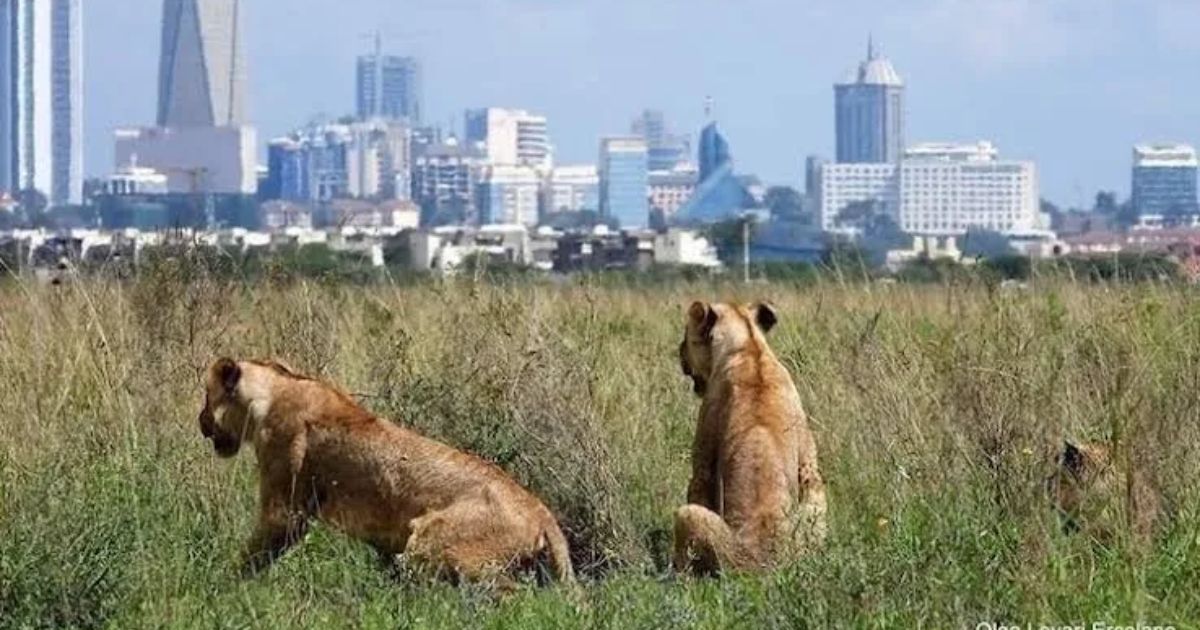
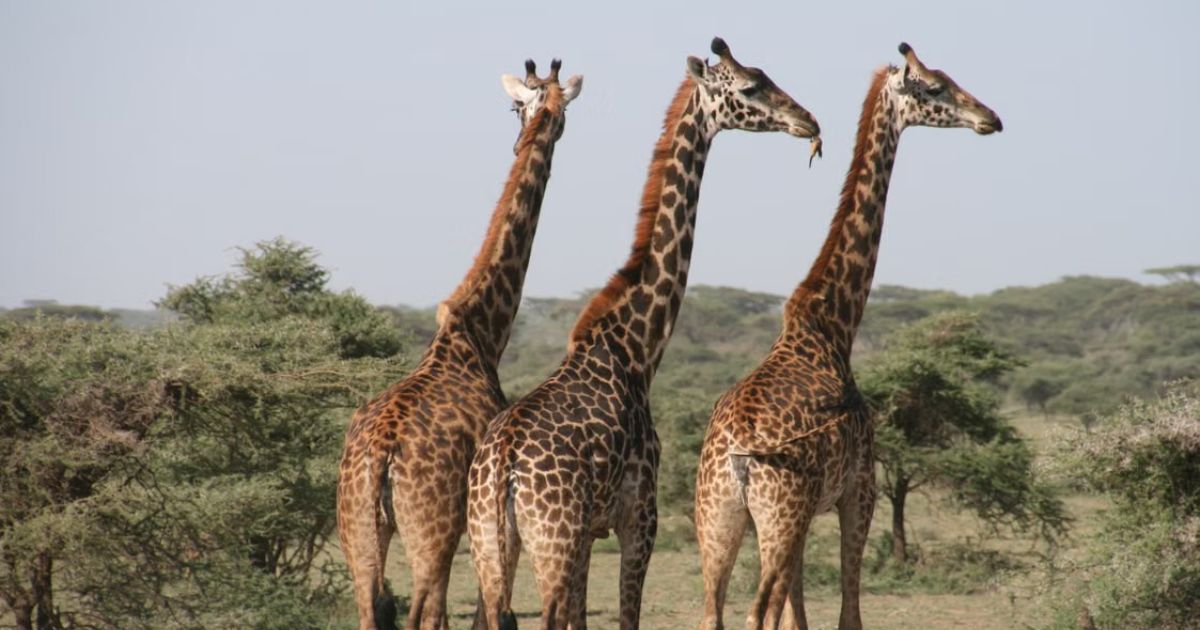
Top National Parks for Your East Africa Safari Packages.
To create the ultimate itinerary, you need to visit the best parks in the region. Here are the top wildlife destinations that should be on your radar.
1. Maasai Mara Game Reserve (Kenya).
The Masai Mara game reserve is arguably Kenya’s most famous wildlife destination. It is the northern extension of the Serengeti ecosystem and is globally renowned for its dense concentration of wildlife. During the Great Migration safari, the Mara becomes the stage for dramatic river crossings, where wildebeest battle crocodile-infested waters. Even outside the migration season, the Masai Mara guarantees exceptional Big Five wildlife viewing, including massive prides of lions, leopards and cheetahs.
2. Serengeti National Park (Tanzania).
Moving south into Tanzania, the Serengeti National Park offers endless, treeless savannahs that roll out past the horizon. This UNESCO World Heritage Site hosts the largest population of lions in Africa. The Serengeti is synonymous with classic African safaris, offering stunning sunrise game drives, thrilling predator hunts and an incredibly high density of game. A visit here is a must for any serious wildlife lover.
3. Ngorongoro Crater (Tanzania).
Often referred to as the 8th Wonder of the World, the Ngorongoro Crater is the world’s largest intact volcanic caldera. The collapsed volcano has created a natural bowl that functions as a dense wildlife sanctuary. Because the animals are enclosed by the crater walls, game viewing here is incredibly reliable. It is one of the absolute best places on the continent to spot the endangered black rhino, alongside pink flamingos, lions and massive bull elephants.
4. Amboseli National Park (Kenya).
Located at the foot of Mount Kilimanjaro, Amboseli National Park is famous for its massive elephant herds. The melting snow from Africa’s tallest mountain drains underground and surfaces in Amboseli, creating lush green swamps amidst the dusty plains. This creates a stunning contrast and provides some of the best wildlife photography opportunities in the world.
5. Lake Nakuru and Tarangire National Parks.
No combined trip is complete without visiting the supporting cast of incredible parks. Lake Nakuru in Kenya is famous for its rhino sanctuary, rare Rothschild’s giraffe and vibrant birdlife. Meanwhile, Tarangire National Park in Tanzania is considered a hidden gem, famous for its massive elephant herds that can number up to 300 and its uniquely shaped, root-like baobab trees.
Best Kenya and Tanzania Safari Itineraries.
Designing the perfect route requires balancing travel time with wildlife viewing. While you can customize your trip at www.masaiafricasafaris.com, here are the most popular East Africa safari itineraries.
1. The 7-Day Express Route.
If you are short on time, a 7-day fly-in safari is your best option. This itinerary typically focuses strictly on the highlights: spending three days in the Masai Mara game reserve, catching a quick flight across the border and spending the remaining four days split between the Serengeti National Park and the Ngorongoro Crater. This fast-paced option is perfect for travelers who want to see the Big Five wildlife without spending too much time on the road.
2. The 10-Day Classic Combined Tour.
A 10-day trip is widely considered the sweet spot for a Kenya and Tanzania safari. It provides enough time to experience the distinct beauty of both countries at a comfortable pace. A standard 10-day route often looks like this:
- Days 1-2: Start in Nairobi and drive to Amboseli National Park for views of Mount Kilimanjaro and massive elephants.
- Day 3: Travel through the Great Rift Valley to Lake Nakuru to see rhinos and flamingos.
- Days 4-5: Head into the world-famous Masai Mara game reserve for unlimited game drives and big cat tracking.
- Days 6-7: Cross the border into Tanzania and enter the Serengeti National Park to witness the endless plains and the Great Migration.
- Day 8: Descend into the Ngorongoro Crater for a high-density wildlife experience.
- Day 9: Visit Tarangire National Park to photograph the iconic baobab trees.
- Day 10: Conclude your adventure in Arusha, Tanzania, with a heart full of memories.
3. The 14-Day Ultimate East Africa Safari.
For those who want a slower pace and ultimate relaxation, a 14-day trip is ideal. This itinerary covers all the major parks mentioned in the 10-day trip, but adds extra nights in the Serengeti and the Mara to ensure you don’t miss a thing. The trip often concludes with a short flight to the white sandy beaches of Zanzibar or Diani, offering the perfect blend of dusty adventure and tropical relaxation.
Travel Options: Fly-In vs. Overland Safari.
Deciding how to move between the parks is a major factor in planning your trip. The two main travel options are overland driving and flying between airstrips.
1. Overland 4×4 Safari: The Scenic Route.
An overland safari means you will travel primarily by road in a private 4×4 safari vehicle, staying with the same guide throughout the trip.
- Cost: Road safaris are typically 30% to 50% cheaper than fly-in safaris. Driving is especially economical if you are traveling in a group of four to seven people, as the cost of the vehicle and guide is shared.
- Experience: Driving allows you to see the real country outside of the parks. You will pass through local villages, stop at roadside markets and take in the changing landscapes.
- Drawbacks: The roads can be dusty and bumpy, and travel days can be long, which might cut into your game viewing time.
2. Fly-In Safari: Maximum Time and Comfort.
A fly-in safari uses scheduled light aircraft to hop between dirt airstrips located directly inside the national parks.
- Time-Saving: The biggest advantage is time. A long, exhausting day of driving is replaced by a quick, scenic 45-minute flight. This allows for more time relaxing at the lodge and more fresh-energy game drives.
- Experience: You get breathtaking aerial views of the savannah. It is highly recommended for short trips or groups of one to three people where sharing a car isn’t cost-effective.
- Drawbacks: Fly-in safaris come with strict baggage weight limits because the planes are small. Additionally, flights are a significant cost driver, making this a more premium option.
Planning Your Budget Safari and Luxury Safari Packages.
Because prices fluctuate throughout the year depending on seasons, taxes and availability, we won’t list exact numbers. However, understanding what drives the cost will help you choose between budget safari options and luxury safari packages.
For budget safari options, travelers often join group overland tours. Accommodations usually consist of basic dome tents or mid-range permanent tented camps outside the park gates. You will save a lot of money, but you might share a vehicle with strangers and have longer drives to reach the wildlife.
Conversely, luxury safari packages focus on exclusivity. These packages frequently utilize fly-in travel options to maximize comfort. Accommodations include five-star lodges or highly exclusive glamping tents located deep inside private conservancies. These premium trips offer private plunge pools, gourmet dining in the bush and off-road driving privileges. To get an accurate, up-to-date quote tailored to your specific budget, reach out to the experts at www.masaiafricasafaris.com.
The Best Time to Visit Kenya and Tanzania.
Timing is everything when it comes to wildlife viewing. Generally, the dry seasons—from June to October, and late December to February—are considered the absolute best time to visit Kenya and Tanzania. During the dry season, the bush is less dense, making it much easier to spot animals. Additionally, wildlife tends to congregate around permanent water sources, making predator sightings very common.
If your main goal is to see the dramatic Great Migration river crossings, aim for July to September in the Masai Mara or January to March in the southern Serengeti to witness the calving season, where thousands of baby wildebeest are born every day.
10 Frequently Asked Questions (FAQs) About East Africa Safaris.
1. What is a Kenya and Tanzania safari?
It is a multi-country travel itinerary that combines the best wildlife parks in Kenya (like the Masai Mara and Amboseli) with the best parks in Tanzania (like the Serengeti and Ngorongoro Crater) into one continuous trip.
2. How many days do I need for a combined East Africa safari?
To comfortably see the highlights of both countries without feeling rushed, we highly recommend a minimum of 10 days.
3. What is the difference between an overland safari and a fly-in safari?
An overland safari uses a 4×4 vehicle to drive between all destinations, offering scenic road trips. A fly-in safari uses small planes to jump from park to park, saving travel time but costing more.
4. When is the best time to see the Great Migration?
For river crossings in the Masai Mara, visit between July and September. To see the herds giving birth in the Serengeti, visit between January and March.
5. Do I need a visa for both Kenya and Tanzania?
Yes. You will need to apply for an Electronic Travel Authorization (eTA) for Kenya and a separate tourist visa for Tanzania. Both can generally be applied for online before your trip.
6. Which is better, the Serengeti or the Masai Mara?
Neither is “better” as they are part of the exact same ecosystem! The Serengeti is much larger and offers endless plains, while the Masai Mara is smaller, meaning the wildlife density often feels higher.
7. Are East Africa safari packages safe for families and children?
Absolutely. Many lodges cater specifically to families, offering large interconnected rooms, swimming pools and specialized children’s nature programs.
8. Can I see the Big Five wildlife on a combined trip?
Yes! A combined trip gives you the highest possible chance of seeing the Big Five (lion, leopard, elephant, rhino and buffalo). The Ngorongoro Crater and Lake Nakuru are especially great for spotting the rare rhino.
9. How do I cross the border between Kenya and Tanzania?
Most overland safaris cross at the Namanga or Isebania land borders, where you switch vehicles and guides. Fly-in safaris will fly you to an international airport (like Kilimanjaro or Nairobi) to clear customs before continuing.
10. Where is the best place to book my safari?
For the most reliable service, expert local guides and fully customizable itineraries, you should book your trip directly through www.masaiafricasafaris.com.
Conclusion: Kenya and Tanzania safari.
Embarking on a Kenya and Tanzania safari is truly the adventure of a lifetime. By combining these two magnificent countries, you guarantee yourself a front-row seat to the most spectacular wildlife show on earth. From the thundering hooves of the Great Migration safari in the Serengeti and Masai Mara, to the breathtaking depths of the Ngorongoro Crater, East Africa never fails to leave a lasting mark on your soul.
Whether you opt for budget safari options in an overland 4×4 or indulge in luxury safari packages via bush flights, the perfect trip comes down to expert planning. Don’t leave your dream vacation to chance. Connect with the local specialists at www.masaiafricasafaris.com today to start crafting an unforgettable itinerary that perfectly matches your travel style, budget, and wildlife dreams!