

Have you ever dreamed of seeing the Big Five roaming freely across endless African plains? Deciding on the perfect African adventure can be tough, but comparing a Kenya Safari vs Tanzania Safari is the first step to making your dream a reality. Both destinations offer breathtaking landscapes, incredible wildlife and the world-famous Great Migration, but they do so in very different ways. Whether you are looking for a budget-friendly trip or an exclusive wilderness escape, www.masaiafricasafaris.com is here to help you choose the best fit for your travel style.
Kenya Safari vs Tanzania Safari: A Quick Overview.
East Africa is the undisputed king of wildlife viewing. For decades, nature lovers and thrill-seekers have debated over the ultimate destination. On paper, Kenya and Tanzania share a lot of similarities. They are neighboring countries, they share an unfenced border, and they both host the spectacular wildebeest migration. However, the experience on the ground is unique to each country.
A Kenya safari is often described as the classic, storybook African adventure. It has a well-developed tourism infrastructure, making it easier and often faster to get from the airport to the wild plains. The parks are generally smaller, meaning wildlife density is high and you do not have to drive for days to see the animals.
On the other hand, a Tanzania safari is all about vast, untouched wilderness. The parks here are massive, offering a sense of remote isolation that is hard to find anywhere else. Tanzania is home to iconic landmarks like the Ngorongoro Crater and Mount Kilimanjaro.
Choosing between the two depends entirely on your budget, how much time you have, and the kind of African wilderness experience you want. As you read through this detailed guide, keep in mind that you can always reach out to the experts at www.masaiafricasafaris.com to customize your dream itinerary.
Quick Comparison Matrix
| Feature | Kenya Safari | Tanzania Safari |
| Park Size & Scale | Compact parks, shorter travel distances | Massive parks, vast travel distances |
| Wildlife Density | Highly concentrated, easier spotting | Spread out, requires more tracking |
| Cost Profile | Excellent value, plenty of mid-range options | Premium pricing, exclusive luxury focus |
| The Great Migration | July to October (Mara River crossings) | November to June (Calving and trekking) |
| Infrastructure | Highly developed, great for short trips | Wilder roads, ideal for longer itineraries |
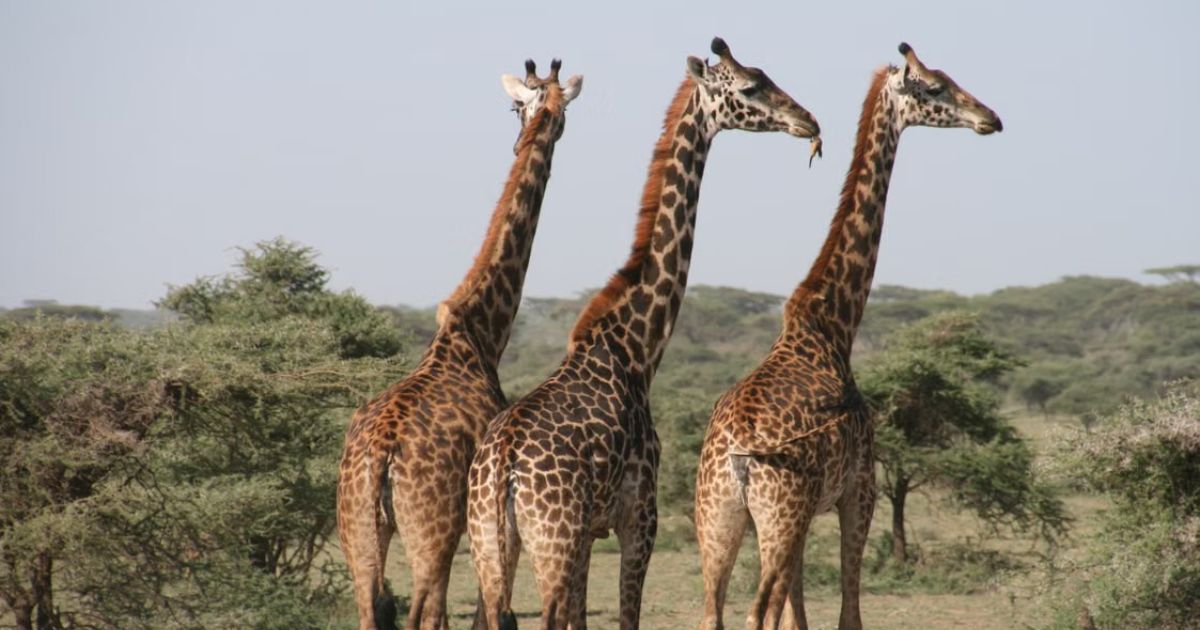
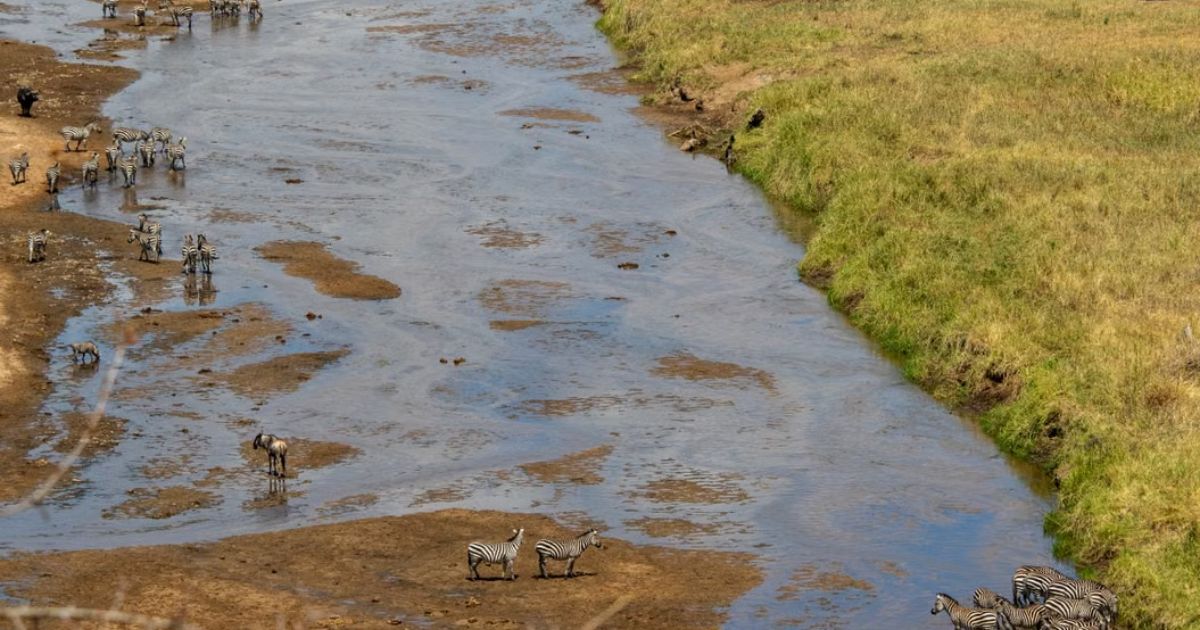
Differences in Wildlife: Masai Mara vs Serengeti.
When it comes to wildlife, both countries deliver unforgettable encounters. You can easily spot the Big Five (lion, leopard, elephant, rhino and buffalo) in both destinations. However, the geography of the parks changes how you view these majestic creatures.
Kenya: High Density and Big Cats.
Kenya is famous for its high concentration of wildlife in relatively compact areas. The Masai Mara, Kenya’s flagship reserve, covers about 1,510 square kilometers. Because the area is smaller compared to its Tanzanian counterpart, the animals are more concentrated.
This makes Kenya an excellent choice for first-time safari-goers or those with limited time. You are likely to spot big predators, especially lions, cheetahs and leopards, much sooner. The open savannahs make spotting animals from a distance quite easy. Furthermore, Kenya is home to unique species in its northern parks, such as the reticulated giraffe, Grevy’s zebra and the gerenuk, which you will not easily find in Tanzania.
Tanzania: Vast Plains and the Great Migration.
Tanzania’s Serengeti National Park is nearly ten times the size of the Masai Mara, covering a massive 14,750 square kilometers. This vast expanse means the wildlife is spread out over diverse habitats, from endless grassy plains to rocky outcrops known as kopjes and thick riverine forests.
A Tanzania safari offers a more remote, wild feel. You might have to drive longer to find a pride of lions, but when you do, you are likely to have the sighting entirely to yourself. The sheer scale of Tanzania allows for massive herds of wildlife, particularly during the Great Migration. Ngorongoro Crater, another wildlife hotspot in Tanzania, provides an enclosed ecosystem where animals reside year-round, ensuring spectacular viewing regardless of the season.
Cost Comparison: Kenya Safari vs Tanzania Safari.
Budget is often the biggest deciding factor for travelers planning an East African safari vacation. While both countries offer options ranging from basic camping to ultra-luxury lodges, there are noticeable structural differences in how costs are distributed.
(Note: Exact prices fluctuate based on season, group size and global economics, so the focus here is on the relative cost value of each destination.)
Kenya Safari Costs: The High-Value Option.
Generally, a Kenya safari is celebrated as the more budget-friendly and high-value option. This is largely due to easier logistics and shorter travel distances. From the capital city of Nairobi, you can drive to the Masai Mara in just a few hours, or take a quick bush flight. Shorter transit times mean lower fuel costs and less money spent on transportation.
Additionally, Kenya possesses a highly developed tourism infrastructure with a vast array of accommodation choices. Whether you are looking for a simple tented camp or a mid-range family lodge, the high volume of options creates competitive pricing. This flexibility allows travelers to experience world-class wildlife viewing without necessarily paying premium luxury rates.
Tanzania Safari Costs: Remote and Premium Experiences.
Tanzania is widely considered a premium, exclusive safari destination. The higher overall cost of a Tanzania safari is driven by the country’s sheer size and its approach to park management. The distances between parks in Tanzania’s famous Northern Safari Circuit are massive. Travelers often need to rely on internal bush flights or endure long, full-day drives to move between locations, which naturally increases transportation and fuel expenses.
Furthermore, Tanzania enforces a different park fee structure, often charging separate daily park entry fees along with additional concession fees for staying inside the reserves. Visiting the Ngorongoro Crater requires an expensive vehicle descent fee on top of standard entry fees. However, this premium pricing guarantees a highly exclusive, less crowded and deeply immersive wilderness experience that many seasoned travelers find entirely worth the investment.
Parks & Experience: Where Should You Go?
Both countries boast some of the most famous national parks in the world. Here is a breakdown of what each country has to offer.
Top Parks in Kenya.
- Masai Mara National Reserve: The crown jewel of Kenya. Famous for its dense big cat population and the dramatic Mara River crossings during the wildebeest migration.
- Amboseli National Park: Known as the best place in the world to get close to free-ranging elephants, all set against the stunning backdrop of Mount Kilimanjaro.
- Tsavo National Parks (East and West): The largest park system in Kenya, offering a rugged, red-dirt landscape known for its “red elephants” and raw wilderness.
- Lake Nakuru National Park: A bird lover’s paradise, famous for flamingos and a highly successful rhino sanctuary.
- Samburu National Reserve: Located in the arid north, featuring unique wildlife not found in the south, along with rich cultural encounters with the Samburu people.
Top Parks in Tanzania.
- Serengeti National Park: The quintessential African savannah. Endless plains host the Great Migration for most of the year, offering unmatched scale and wildness.
- Ngorongoro Conservation Area: A UNESCO World Heritage site and the world’s largest inactive volcanic caldera. The crater floor is incredibly dense with wildlife, including the endangered black rhino.
- Tarangire National Park: Famous for its massive elephant herds and ancient, giant baobab trees that dot the landscape.
- Lake Manyara National Park: A lush, green park famous for its tree-climbing lions and large troops of baboons.
- Ruaha and Nyerere (Selous): Located in the south, these parks offer ultimate off-the-beaten-path adventures with boat safaris and walking tours.
The Great Migration: Timing is Everything.
The Great Migration is the largest movement of wildlife on Earth, involving over 1.5 million wildebeest, hundreds of thousands of zebras and gazelles following the rains in search of fresh grass. When comparing a Kenya Safari vs Tanzania Safari, timing is the most critical factor for witnessing this event.
The migration is a year-round cycle, but the herds spend different amounts of time in each country.
- The Migration in Tanzania (November to June): The herds spend about nine months of the year in Tanzania. From January to March, they gather in the southern Serengeti and Ndutu regions for calving season, where thousands of babies are born daily. By May and June, the herds begin moving north and west, preparing for the challenging river crossings.
- The Migration in Kenya (July to October): Between July and October, the massive herds arrive in Kenya’s Masai Mara. This is the most dramatic phase of the migration, where the animals must brave the crocodile-infested waters of the Mara River. If you want to see the chaotic, heart-pounding river crossings often featured in nature documentaries, a Kenya safari during these months is your best bet.
Culture and Authentic Experiences.
A true African safari is not just about the animals; it is also about the people. Both Kenya and Tanzania offer deep, rich cultural experiences that will leave a lasting impact on your heart.
In Kenya, you have the opportunity to visit traditional Maasai villages. The Maasai people are known for their vibrant red shukas (robes), intricate beadwork and traditional jumping dances. Interacting with them offers profound insight into a pastoral way of life that has coexisted with wildlife for centuries.
Tanzania also shares the Maasai culture in its northern regions. In addition, Tanzania offers the unique opportunity to visit the Hadzabe tribe near Lake Eyasi. The Hadzabe are one of the last remaining hunter-gatherer tribes in Africa. Spending a morning with them, learning how to track animals and gather wild honey, is an unforgettable cultural immersion.
Can You Combine Both Destinations?
If you simply cannot decide between a Kenya Safari vs Tanzania Safari, the good news is that you don’t have to! Many travelers choose to combine both countries into one epic East Africa safari.
Because the Masai Mara and Serengeti share a border, it is entirely possible to witness the elephants of Amboseli, the crater floor of Ngorongoro, the vast Serengeti plains and the big cats of the Mara all in a single 10 to 14-day trip. A combined tour requires careful logistics, including border crossings and sometimes regional flights, but the team at www.masaiafricasafaris.com specializes in creating seamless, cross-border itineraries that give you the ultimate best of both worlds.
Best Time to Go on an East Africa Safari.
Regardless of which country you choose, the weather plays a huge role in your safari experience. East Africa experiences distinct dry and wet seasons.
- The Dry Season (June to October): This is widely considered the best time for wildlife viewing. The bush is thin, making animals easier to spot and wildlife congregates around permanent water sources. The weather is generally sunny and cool, and this aligns perfectly with the Great Migration crossing into Kenya.
- The Short Rains (November to December): This shoulder season brings brief afternoon showers. The landscape turns beautifully green and dust is minimized. It is a fantastic time for bird watching and taking advantage of lower accommodation rates.
- The Long Rains (March to May): This is the low season. Heavy rains can make some roads muddy and impassable. However, for adventurous travelers on a strict budget, this season offers dramatic skies, zero crowds and incredibly lush scenery.
10 Frequently Asked Questions About Kenya Safari vs Tanzania Safari.
1. Is a Kenya Safari or Tanzania Safari better?
Neither is objectively better; they offer different experiences. Kenya provides high wildlife density and excellent value for money, making it great for first-timers. Tanzania offers vast, remote wilderness and exclusive experiences.
2. Which is cheaper, Kenya or Tanzania?
Generally, a Kenya safari is cheaper. Kenya has a wider variety of mid-range accommodations, lower logistical costs and shorter travel distances compared to Tanzania.
3. Can I combine Kenya and Tanzania in one trip?
Yes! A combined East Africa safari is highly recommended if you have 10 to 14 days. You can seamlessly cross borders by land or air.
4. Where is the best place to see the Great Migration?
It depends on the month. For dramatic river crossings, visit Kenya’s Masai Mara between July and October. For the calving season, visit Tanzania’s Southern Serengeti between January and March.
5. Do I need a yellow fever vaccine for both countries?
If you are traveling directly from the US or Europe to Kenya, yellow fever is not usually strictly required but highly recommended. However, if you cross the border from Kenya into Tanzania, Tanzania border officials will strictly require proof of a yellow fever vaccination.
6. Are the Big Five in both Kenya and Tanzania?
Yes, you can spot lions, leopards, elephants, rhinos and buffalo in both countries. Ngorongoro Crater in Tanzania and Masai Mara or Lake Nakuru in Kenya are excellent spots for tracking rhinos.
7. Which country is better for a family safari?
Kenya is often preferred for families, especially those with younger children, due to shorter driving distances between parks and an abundance of family-friendly lodges with pools and entertainment.
8. How many days do I need for a good safari?
For a single country, a 5 to 7-day itinerary is perfect to see the highlights. If you want to visit both Kenya and Tanzania, plan for at least 10 to 14 days.
9. Is it safe to go on an East African safari?
Absolutely. Both Kenya and Tanzania are incredibly safe for tourists. You will be guided by highly trained, professional driver-guides who understand animal behavior and prioritize your safety at all times.
10. How do I book my safari?
Booking with a trusted local operator ensures you get the best rates, authentic guides and seamless support. Visit www.masaiafricasafaris.com to explore packages and get a free quote for your trip.
Conclusion: Kenya Safari vs Tanzania Safari.
The debate between a Kenya Safari vs Tanzania Safari ultimately comes down to your personal travel goals. If you want a more compact trip, shorter drives, budget-friendly options and dense big cat sightings, Kenya is your ideal destination. If you are looking for endless horizons, exclusive remote camps, the Ngorongoro Crater and don’t mind spending a little extra, Tanzania will steal your heart.
No matter which path you choose, East Africa promises an adventure that will change the way you see the world. The roaring lions, trumpeting elephants and golden African sunsets are waiting for you. Ready to start planning? Head over to www.masaiafricasafaris.com today, and let our experts craft the perfect luxury or budget safari itinerary tailored just for you. Your ultimate African wilderness adventure begins here!