

Have you ever dreamed of witnessing millions of wildebeests crossing the endless African plains as a golden sun sets in the distance? A Serengeti Safari offers exactly that, an unforgettable adventure into the heart of wild Africa where nature rules supreme. Whether you are looking for thrilling wildlife encounters, peaceful bird watching or relaxing evening sundowners under the stars, www.masaiafricasafaris.co.ke has the perfect itinerary tailored just for you. Let’s dive into everything you need to know to plan your ultimate trip to this world-famous destination.
Why Choose a Serengeti Safari for Your Next Vacation?
The Serengeti National Park is not just a destination; it is a global icon of nature conservation and African wildlife. Stretching across northern Tanzania, this massive ecosystem is a UNESCO World Heritage site and is widely considered the ultimate destination for an African wildlife safari.
The word “Serengeti” comes from the Maasai word Siringet, which beautifully translates to “the place where the land moves on forever.” True to its name, the endless grassy plains provide the perfect backdrop for spotting the most magnificent creatures on earth. People from all over the world book Tanzania safari tours just to experience the raw, untouched beauty of this park. From dramatic predator-prey interactions to breathtaking landscapes, a Serengeti safari promises memories that will last a lifetime.
The Great Migration Safari: A Spectacle Like No Other.
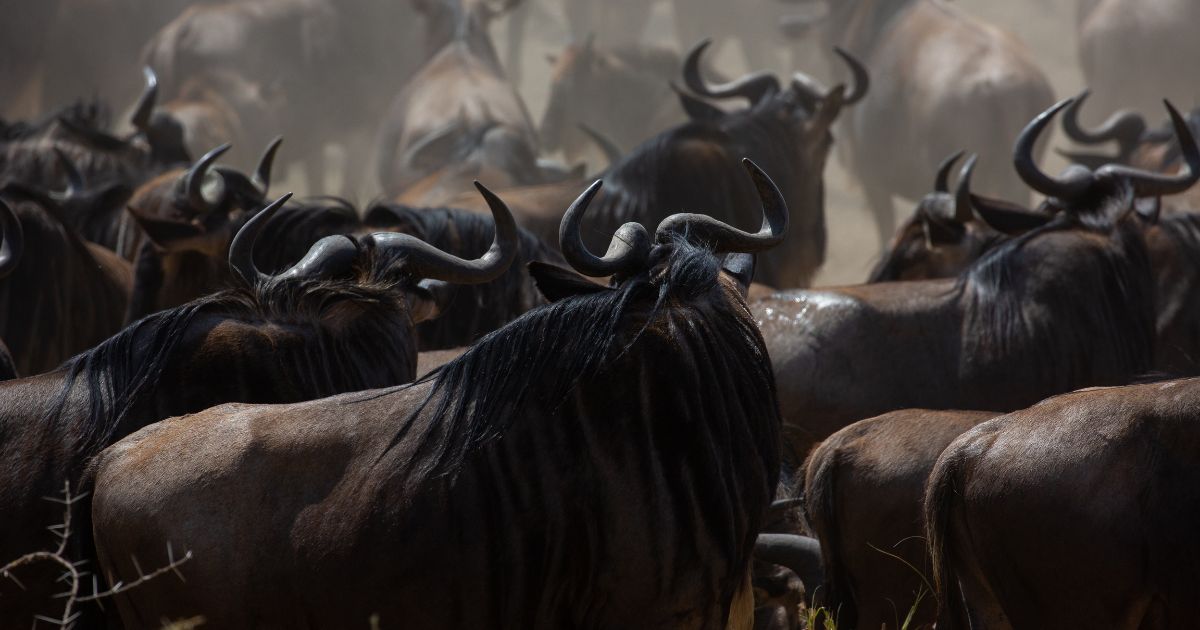
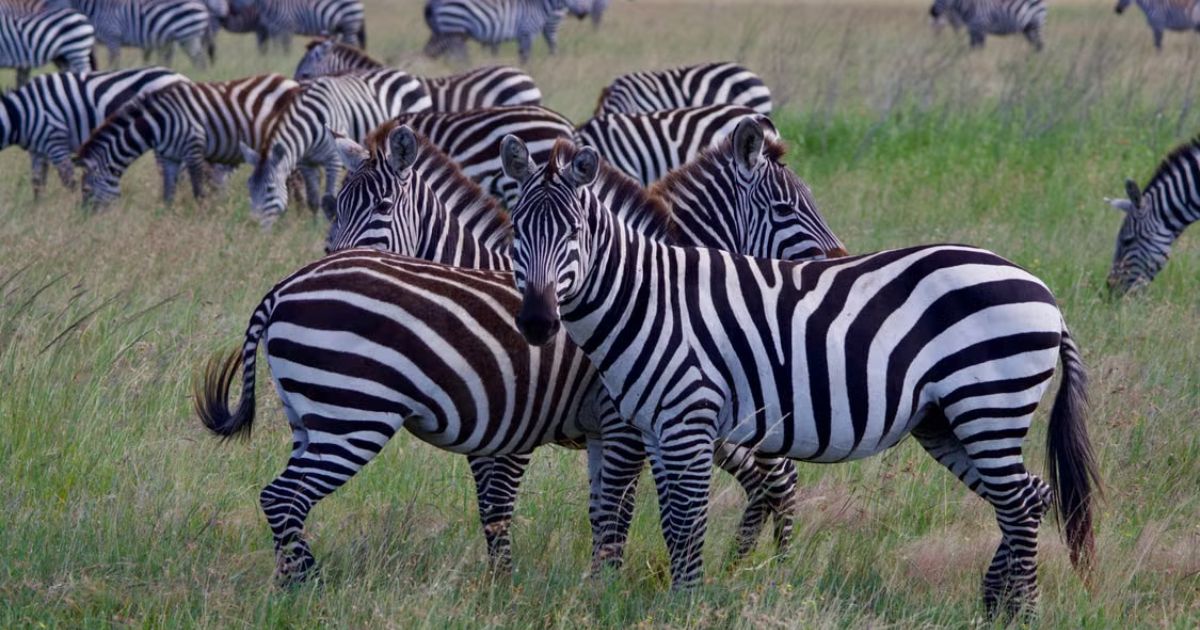
One of the biggest reasons travelers book a Serengeti safari is to witness the Great Wildebeest Migration. This is the largest movement of wildlife on the planet. Over two million wildebeests, accompanied by hundreds of thousands of zebras and gazelles, march across the plains in search of fresh grazing land and water.
This migration is a continuous, year-round cycle, meaning you can experience a Great Migration safari at different times of the year depending on which part of the park you visit. Here is a simple breakdown of the migration cycle:
- December to March (Southern Serengeti): The herds gather in the southern plains for the calving season. Thousands of baby wildebeests are born every day. This abundance of vulnerable young animals attracts high numbers of predators, making it an action-packed time for wildlife viewing.
- April to May (Central and Western Serengeti): As the southern plains dry up, the massive herds begin moving north and west, forming long, dramatic columns.
- June to July (Western Corridor): The herds face their first major obstacle—the Grumeti River. Here, giant crocodiles lie in wait, creating intense and thrilling survival moments.
- August to October (Northern Serengeti): This is the most famous phase of the migration. The herds must cross the treacherous Mara River to reach the Maasai Mara in Kenya. Watching the chaotic, adrenaline-filled river crossings is the highlight of many Serengeti safari packages.
- November (Moving South): The short rains begin, and the herds start their journey back down south, completing the endless circle of life.
What to Expect: Wildlife on Your Serengeti Safari.
While the Great Migration is spectacular, a Serengeti safari is incredible year-round thanks to its resident wildlife. The park is home to a staggering variety of animals and game drives here rarely disappoint. When you book a trip through www.masaiafricasafaris.co.ke, experienced guides will help you track down the most sought-after creatures.
The Famous Big Five.
Every African wildlife safari enthusiast hopes to spot the Big Five. The Serengeti is one of the best places in the world to see them all in their natural habitat:
- Lions: The Serengeti has the largest population of lions in Africa. You will likely see large prides lounging on the iconic granite outcrops known as kopjes.
- Leopards: These solitary and elusive cats are usually spotted resting high up in the branches of acacia trees, often near the Seronera River valley.
- Elephants: Large herds of elephants are commonly seen roaming the plains, stripping leaves from trees and bathing in the muddy rivers.
- Buffaloes: Massive herds of Cape buffalo are a common sight, grazing peacefully but always on high alert for lions.
- Rhinos: The endangered black rhino is rare, but lucky visitors can still spot them, primarily in the remote northern areas of the park.
Other Amazing Wildlife.
Beyond the Big Five, your Serengeti safari will introduce you to cheetahs sprinting across the plains, towering giraffes, spotted hyenas, wild dogs and playful hippos wallowing in the pools. For bird lovers, the park boasts over 500 bird species, including ostriches, lilac-breasted rollers and the majestic martial eagle.
Best Time to Visit the Serengeti.
Choosing the best time to visit the Serengeti depends entirely on what you want to experience. Because the park is so large, wildlife movements dictate where you should be and when.
1. The Dry Season (June to October).
This is widely considered the absolute best time to visit the Serengeti for general wildlife viewing. The vegetation is thin, making animals much easier to spot. Animals also gather around predictable water sources. If you want to see the dramatic Mara River crossings, you should plan your Serengeti safari for July, August or September.
2. The Wet Season (November to May).
The wet season is beautifully lush and green. While some dirt roads might become muddy, this season offers unique advantages. From late January to February, the wildebeest calving season takes place in the south. This is the best time for predator action. Furthermore, the wet season is a paradise for bird watching as migratory birds arrive. Because it is considered the “green season,” you might also find that Serengeti safari packages are slightly less crowded during these months.
Overview of Serengeti Safari Packages.
There is no “one-size-fits-all” when it comes to African travel. That is why www.masaiafricasafaris.co.ke offers a wide variety of Serengeti safari packages to suit different travel styles, preferences, and group sizes.
- Luxury Serengeti Safari: Experience the wild in ultimate comfort. Luxury packages include stays at high-end tented camps or lodges featuring private plunge pools, gourmet dining, spa treatments and exclusive game viewing vehicles.
- Budget Safari Tanzania: For the adventurous soul, budget safaris offer a raw, authentic experience. These packages often involve staying in basic public campsites where you sleep in dome tents and enjoy meals prepared by a private safari chef under the stars.
- Family Safari Packages: These itineraries are carefully crafted with children in mind. They feature shorter game drives, lodges with swimming pools and engaging activities to keep younger travelers entertained and educated.
- Honeymoon Safari: Perfect for newlyweds, these romantic packages combine thrilling wildlife encounters with private bush dinners, hot air balloon rides and luxurious, secluded accommodations.
- Photographic Safari: Led by specialized guides who understand lighting and animal behavior, these Serengeti safari packages are designed specifically for photographers who need extra time at sightings to get the perfect shot.
Understanding Serengeti Safari Prices.
When planning a trip, one of the most common questions is about Serengeti safari prices. Because we customize every trip to give you the best experience, we do not list static prices. However, it is important to understand the factors that will influence the cost of your adventure:
- Level of Accommodation: The type of lodging you choose is the biggest factor. Luxury lodges and exclusive mobile camps will cost significantly more than mid-range lodges or budget camping.
- Time of Year: Traveling during the peak season (the dry months and river crossing times) generally increases the cost. Traveling during the green season can offer great value and reduced rates.
- Length of Stay: Naturally, a 3-day rapid tour will cost less than a comprehensive 10-day expedition exploring multiple regions of the park.
- Mode of Transport: A “drive-in” safari where you travel by 4×4 Land Cruiser from Arusha is more cost-effective. A “fly-in” safari, where you take a bush flight directly into the Serengeti airstrips, saves time but increases the budget.
- Group Size: Traveling with a larger group of family or friends can reduce the per-person cost, as you share the expense of the safari vehicle and guide.
For a customized quote tailored strictly to your budget and interests, reach out to the experts at www.masaiafricasafaris.co.ke.
Top Activities to Enhance Your Serengeti Safari.
While standard game drives are phenomenal, you can elevate your Tanzania safari tours by adding special activities to your itinerary.
1. Serengeti Hot Air Balloon Safari.
If there is one add-on you must consider, it is a Serengeti hot air balloon safari. You will wake up before dawn and launch as the sun rises over the plains. Drifting silently above the awakening wilderness offers a perspective like no other. You can see the true vastness of the herds from the sky. Upon landing, you are treated to a luxurious champagne breakfast right in the middle of the bush.
2. Walking Safaris.
While not allowed everywhere in the national park, certain designated areas and private concessions bordering the park offer guided walking safaris. Accompanied by an armed ranger, you will leave the 4×4 behind and learn about animal tracks, medicinal plants and the smaller insects and ecosystems that you usually miss from a vehicle.
3. Maasai Cultural Visits.
A Serengeti safari is also an opportunity to connect with the local culture. Many itineraries allow time to visit a traditional Maasai boma (village). Here, you can learn about their ancient nomadic lifestyle, witness traditional jumping dances and support the community by purchasing beautiful handmade beadwork.
What to Pack for Your African Wildlife Safari.
Packing correctly is essential for a comfortable Serengeti safari. Since you will likely be traveling in small bush planes or sharing a 4×4 vehicle, it is best to pack light and use soft-sided duffel bags rather than hard suitcases.
- Clothing: Dress in layers. Early morning game drives can be incredibly chilly, while mid-day temperatures get very hot. Bring a warm fleece jacket, comfortable t-shirts and long pants. Stick to neutral colors like khaki, green and brown to blend into the environment and avoid attracting tsetse flies (which are attracted to dark blue and black).
- Footwear: Comfortable, closed-toe walking shoes are perfect for days spent in the safari vehicle and evenings at the camp.
- Sun Protection: The African sun is strong. Bring high-SPF sunscreen, a wide-brimmed hat and polarized sunglasses.
- Camera Gear: To capture the action, bring a good camera with a telephoto lens (at least 300mm), extra memory card and spare batteries.
- Binoculars: Do not rely solely on your camera. A good pair of binoculars is essential for spotting leopards in trees or identifying distant birds.
- Medical Kit: Pack personal medications, malaria prophylactics (consult your doctor), insect repellent and basic first-aid items like painkillers and band-aids.
Accommodations: Where to Stay on a Serengeti Safari.
Your choice of accommodation heavily influences your overall experience. The Serengeti offers everything from ultra-luxurious lodges to mobile tented camps that move with the Great Migration.
- Permanent Lodges: These are large, solid structures offering all the amenities of a standard hotel, including large dining rooms, swimming pools and wifi. They are great for families and first-time visitors who want a solid roof over their heads.
- Tented Camps: Do not let the word “tent” fool you. Luxury tented camps feature canvas walls but come with hardwood floors, king-sized beds, en-suite bathrooms with flushing toilets and hot showers. They offer a highly authentic “Out of Africa” vibe, allowing you to hear lions roaring in the distance while sleeping in total comfort.
- Mobile Migration Camps: These specialized camps literally pack up and move a few times a year to ensure they are always positioned close to the Great Migration herds.
Conclusion: Serengeti Safari.
A Serengeti Safari is far more than just a holiday; it is a transformative journey into one of the earth’s oldest and most vibrant ecosystems. From the thunderous hooves of the Great Wildebeest Migration to the silent, stealthy stalk of a leopard, every single day in the Serengeti National Park brings a new and unpredictable thrill.
Whether you want to sleep under the stars on a budget safari Tanzania style or indulge in the finest luxury Serengeti safari available, planning is the key to a flawless trip. Nature is calling, and the ultimate African wildlife adventure awaits you.
Don’t wait to make your dream a reality. Start planning your customized itinerary today by visiting www.masaiafricasafaris.co.ke. Let our expert guides show you the very best of Africa!
10 Frequently Asked Questions About Serengeti safari.
1. What is a Serengeti safari?
A Serengeti safari is a guided wildlife viewing expedition in Tanzania’s famous Serengeti National Park. It involves traveling in specialized 4×4 vehicles to view wild animals like lions, elephants and wildebeests in their natural habitat.
2. When is the best time for a Serengeti safari?
The best time to visit the Serengeti depends on your goals. June to October offers incredible dry-season wildlife viewing and the river crossings. January and February are best for the wildebeest calving season and seeing predators in action.
3. How much do Serengeti safari packages cost?
Serengeti safari prices vary greatly depending on the season, your chosen level of luxury, the number of days and your mode of transport. Because prices change over time and rely heavily on customization, we recommend contacting www.masaiafricasafaris.co.ke for a personalized quote.
4. Can I see the Big Five in the Serengeti?
Yes! The Serengeti is one of the premier locations to see the Big Five (lion, leopard, elephant, buffalo and rhino). While the black rhino can be harder to spot, your experienced guides will give you the best possible chance to see them all.
5. Is the Serengeti safe for tourists?
Absolutely. Going on a Serengeti safari is very safe. You will be accompanied by trained, professional guides at all times. Camps and lodges have strict safety protocols and animals generally ignore safari vehicles, seeing them simply as large, non-threatening objects.
6. What is the Great Migration?
The Great Migration is the continuous, year-round movement of over two million wildebeests, zebras and gazelles across the Serengeti and Maasai Mara ecosystems in search of fresh grass and water. It is considered one of the greatest natural wonders of the world.
7. How many days do I need for a Serengeti safari?
To truly appreciate the vastness of the park, we recommend a minimum of 3 to 4 days inside the Serengeti itself. If you want to track the migration and visit multiple regions (like the north and central areas), 5 to 7 days is ideal.
8. Are there family-friendly Serengeti safari packages?
Yes, there are excellent family-friendly Serengeti safari packages. Many lodges offer family rooms, swimming pools and special activities designed to safely entertain and educate children in the bush.
9. Can I combine the Serengeti with other parks?
Definitely! Most Tanzania safari tours combine the Serengeti with nearby highlights such as the Ngorongoro Crater, Tarangire National Park and Lake Manyara. Many travelers also add a few days relaxing on the beaches of Zanzibar after their safari.
10. How do I book my trip?
Booking your dream vacation is easy. Simply head over to www.masaiafricasafaris.co.ke, explore our safari options and contact our team to start customizing your unforgettable African wildlife safari today!