

A Solo Safari in Kenya is one of the most liberating and transformative travel experiences you can embark on. There is a unique thrill in waking up to the sounds of the African savanna, dictating your own daily schedule and witnessing the majestic Big Five without having to compromise with travel companions. However, planning an independent trip to the African bush comes with its own set of unique questions and practical challenges.
How do you stay safe while navigating the wilderness? What is the most cost-effective way to travel without paying exorbitant single-room penalties? Is it better to book a private tour or join a group of like-minded adventurers? This comprehensive guide is designed to answer all these questions and more. Whether you are looking for budget solo safari Kenya options, exploring group joining itineraries, or seeking the best safety advice, we have you covered. By the end of this guide, you will be fully prepared to book your dream solo adventure through www.masaiafricasafaris.com.
Why Choose a Solo Safari in Kenya?
Traveling to Kenya alone does not mean you will actually be lonely. In fact, the structure of a traditional African safari naturally encourages social interaction while still allowing you plenty of personal space.
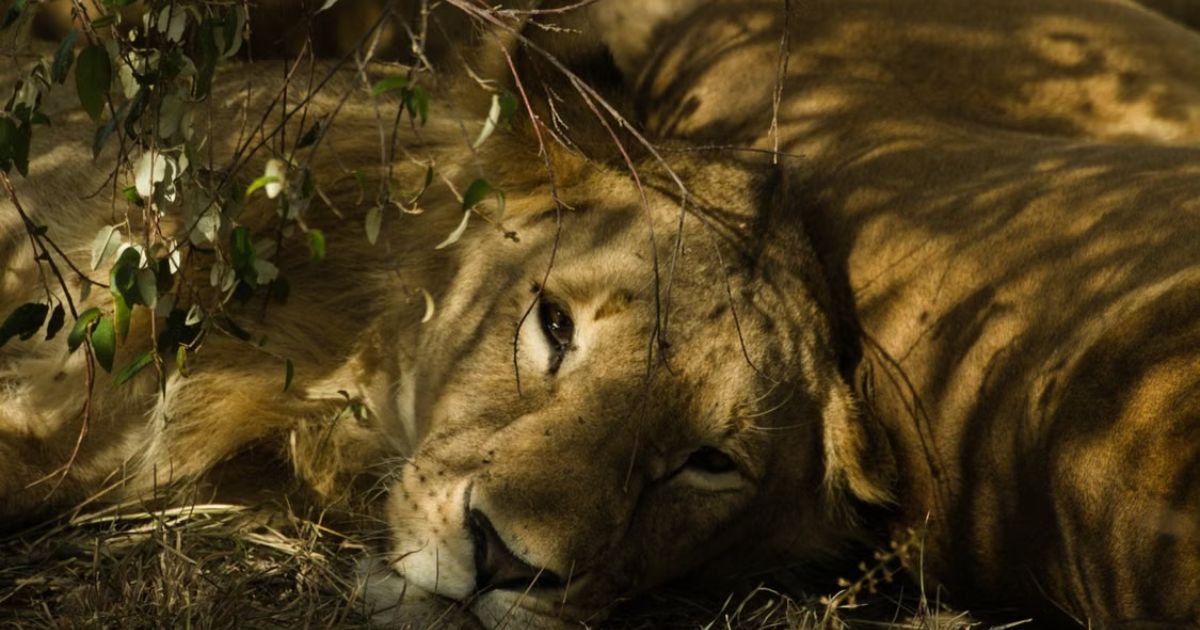
First and foremost, a solo trip gives you ultimate flexibility. If you want to spend an entire hour photographing a single pride of lions rather than rushing off to find a rhino, you can do exactly that. You are entirely in charge of your own game viewing priorities. For wildlife photographers and nature enthusiasts, this level of control is absolutely priceless.
Furthermore, the safari environment is incredibly welcoming. Lodges and tented camps feature communal dining areas and evening campfires where guests naturally gather to share stories of what they saw on their game drives that day. You will quickly find that the shared passion for wildlife bridges any gaps, making it incredibly easy to make new friends from all over the world. A solo safari is a journey of self-discovery, allowing you to disconnect from your daily routine and reconnect with nature in its purest form.
Safety Tips for Single Travelers in Kenya.
Safety is usually the first concern for anyone traveling alone. Fortunately, a structured safari in Kenya is generally very safe. The national parks and conservancies are highly regulated and you will almost always be accompanied by trained professionals. However, following these Kenya solo travel tips will ensure your trip is entirely stress-free.
1. Solo Female Travel Kenya Safety.
Kenya is a very popular destination for solo female travelers and the tourism industry is well-equipped to host them safely. When staying at safari lodges or camps, the staff is highly attentive and protective of their guests. It is advisable to dress modestly when visiting local villages or transiting through rural towns to respect the local culture. On the actual game drives, standard comfortable safari wear is perfectly fine. Always book your tours through reputable operators like www.masaiafricasafaris.com to ensure you are always in the hands of vetted, professional guides.
2. Game Drive and Bush Safety.
When you are out in the wild, the animals view your safari vehicle as a single, non-threatening object. The golden rule of bush safety is to never break the outline of the vehicle. This means you should never stand up out of the vehicle, dangle your arms out the window or step out of the car unless your guide explicitly tells you it is a safe designated area. Always listen strictly to your driver-guide; they are highly trained experts who understand animal behavior and know exactly how to keep you safe.
3. Camp and Lodge Safety.
Many authentic safari camps in Kenya are unfenced, meaning wildlife can occasionally wander through the camp boundaries. This is an exciting part of the experience, but it requires caution. After dark, you should never walk from the main dining tent to your room alone. Camps employ Maasai warriors or trained security guards known as “Askaris” to escort you safely to your room at night. Always zip your tent completely shut when you leave and when you sleep to keep out curious monkeys and insects.
4. City Transit Safety.
Your safari will likely begin and end in Nairobi. While Nairobi is a vibrant and exciting city, it requires standard urban awareness. Avoid walking alone at night, do not flash expensive jewelry or camera gear on busy public streets and always use trusted transportation apps (like Uber or Bolt) or hotel-arranged taxis rather than hailing random cabs from the street.
5. Health and Medical Safety.
Before your trip, visit a travel clinic to ensure your routine vaccines are up to date. You will likely need a Yellow Fever vaccination certificate to enter Kenya and taking Malaria prophylactic medication is highly recommended for most safari regions. Drink only bottled or filtered water, which is generously provided by your tour operator and always carry a comprehensive travel insurance policy that covers emergency medical evacuation.
Group Joining Safari Kenya: The Best Social & Budget Option.
For solo travelers, the biggest hurdle to booking a safari is often the cost. Hiring a private 4×4 Land Cruiser and a driver-guide all to yourself can be quite expensive. This is where a group joining safari Kenya becomes the perfect solution.
What is a Group Joining Safari?
A group joining safari simply means that you book a seat in a safari vehicle that will be shared with other travelers. Typically, a safari minivan or a 4×4 Land Cruiser holds between four to seven passengers. Everyone in the vehicle shares the fixed costs of the transport, the fuel and the professional guide’s daily fee.
Why It’s Perfect for Single Travelers.
Joining a shared tour instantly transforms an expensive private trip into a highly affordable budget solo safari Kenya experience. Not only does it cut your transportation costs by up to 70%, but it also provides a built-in social group. You get to share the thrill of spotting a leopard in a tree with fellow travelers and you always have someone to eat dinner with back at the lodge. Operators carefully craft these itineraries to visit the most popular parks, ensuring you do not miss out on any of the action.
If you are looking for well-organized, reliable shared tours, www.masaiafricasafaris.com offers excellent group joining packages that depart regularly from Nairobi, guaranteeing you a window seat and an unforgettable social experience.
Understanding the Real Costs for Single Travelers.
When budgeting for a solo trip, you need to understand exactly where your money goes. The total cost is determined by your accommodation style, your transport choice, the time of year you travel and the specific park entry fees.
1. The Single Supplement Safari Fee Explained.
The most important term a solo traveler needs to learn is the “single supplement.” Most hotels, lodges, and tented camps in Kenya price their rooms based on two people sharing (twin-share occupancy). When one person takes the room, the lodge loses the revenue of the second person. To make up for this, they charge a single supplement safari fee, which usually adds 30% to 50% on top of the standard per-person rate.
To avoid or minimize this fee, look for budget camping safaris where you provide or rent a single tent, or travel during the “low season” (April to June) when many mid-range and luxury lodges completely waive their single supplement fees to attract visitors.
2. Daily Cost Breakdown (2026/2027 Estimates).
To give you a clear picture of what a Kenya safari packages for single travelers might cost per day (including accommodation, meals, transport, and shared guide):
-
Budget Solo Safari: $150 – $250 per day. This usually involves traveling in a shared safari van and sleeping in basic public campsites or budget tents located just outside the park gates.
-
Mid-Range Solo Safari: $350 – $600 per day. You travel in a 4×4 Land Cruiser and stay in highly comfortable, permanent canvas eco-tents with en-suite hot showers and excellent buffet meals.
-
Luxury Solo Safari: $800 – $1,500+ per day. You fly directly into the parks via light aircraft, stay in exclusive 5-star lodges with private plunge pools and enjoy premium drinks and off-road game drives.
3. Park Entrance Fees.
Park fees make up a massive chunk of your daily budget, and these are charged per 24-hour period. For example, the Maasai Mara single traveler cost for park entry alone in 2026 is $100 per day during the low season (January to June) and $200 per day during the peak Great Migration season (July to December). Other premium parks like Lake Nakuru and Amboseli charge roughly $90 to $120 per day for non-resident adults.
Top Destinations for a Solo Safari in Kenya.
Kenya is blessed with incredibly diverse landscapes, each offering a totally different wildlife experience. Here are the best parks to include in your solo itinerary.
1. The Maasai Mara National Reserve.
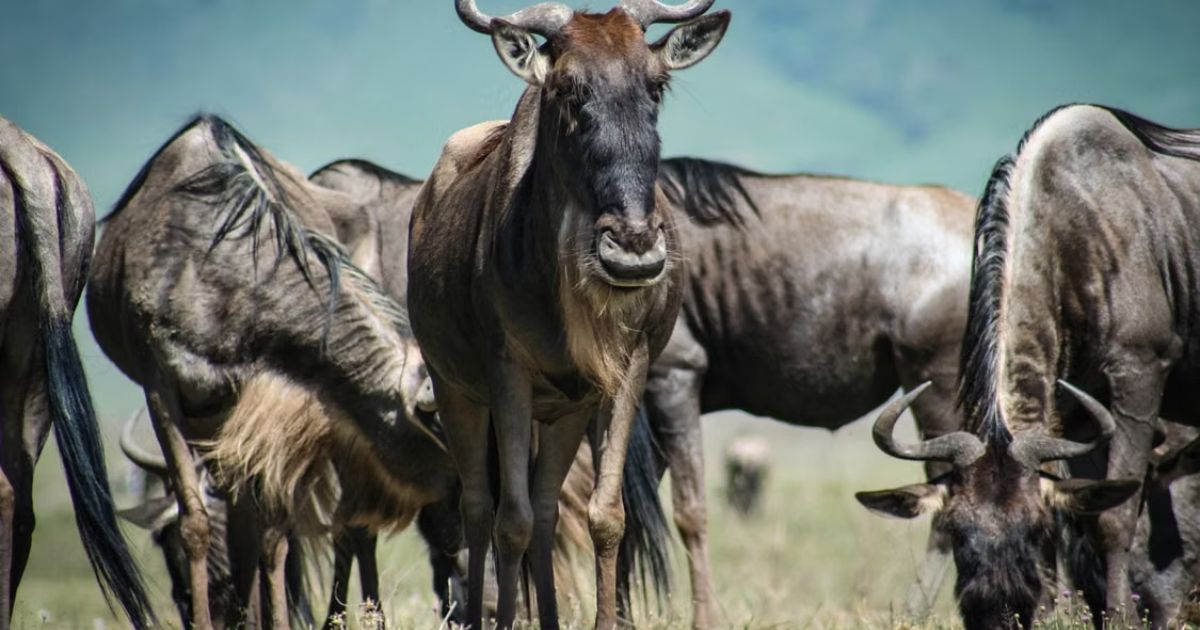
The Maasai Mara is the crown jewel of Kenya’s wildlife parks. It is famous globally for its exceptionally high density of big cats—lions, leopards and cheetahs. If you visit between July and October, you will witness the Great Wildebeest Migration, where over two million animals cross the crocodile-infested Mara River. For a solo traveler, the Mara is a must-visit because the action is non-stop, and group joining tours here are available every single day.
2. Amboseli National Park.
Located at the base of Mount Kilimanjaro (Africa’s highest peak), Amboseli offers the most iconic photographic backdrops in the world. The park is renowned for its massive herds of free-ranging elephants. Because the terrain is relatively flat and sparse, wildlife spotting is very easy, making it a highly rewarding destination for an independent traveler with a camera.
3. Lake Nakuru and Lake Naivasha.
These Rift Valley lakes are perfect for breaking up the long drives between major parks. Lake Nakuru is famous for its rhinos and seasonal flocks of pink flamingos, while Lake Naivasha offers unique boat safaris where you can float past pods of hippos and fish eagles. These locations are very budget-friendly and are heavily featured in affordable group joining itineraries.
4. Tsavo East and Tsavo West.
If you want to escape the crowds and have a more rugged, raw bush experience, the massive Tsavo parks are excellent. Known for their “red elephants” (who dust themselves in the rich red volcanic soil), Tsavo is generally cheaper to enter than the Mara and offers an incredible sense of vast wilderness.
Essential Packing List for a Solo Safari.
Packing smart is crucial when you are managing your own luggage. Safari vehicles have limited trunk space, and domestic bush flights restrict luggage to 15kg (33 lbs) in soft-sided duffel bags.
-
Clothing: Stick to lightweight, breathable fabrics in neutral colors (khaki, olive, tan, brown). Avoid bright colors that frighten animals and avoid dark blue or black, which attract tsetse flies. Pack a warm fleece jacket, as early morning and evening game drives can be surprisingly freezing.
-
Gear: A good pair of binoculars (8×42 or 10×42) is non-negotiable for spotting distant leopards or birds. Bring a high-capacity power bank to charge your phone and camera, and a universal travel adapter (Kenya uses the UK-style Type G three-pin plug).
-
Health & Comfort: High-SPF sunscreen, strong insect repellent containing DEET, a wide-brimmed hat, sunglasses, your malaria medication and basic first-aid supplies (painkillers, stomach meds, band-aids).
How to Book Your Solo Safari in Kenya.
Planning a solo trip doesn’t mean you have to do all the heavy lifting yourself. The easiest and most secure way to ensure a flawless experience is to book through a trusted local expert.
At www.masaiafricasafaris.com, you can find expertly crafted itineraries specifically designed to cater to independent travelers. Whether you want to join an affordable 3-day group tour to the Maasai Mara or customize a 10-day private mid-range adventure across the country, their team handles all the logistics—from airport transfers and lodge bookings to securing your park permits. Booking a comprehensive package ensures that from the moment you land in Nairobi, you are completely taken care of, allowing you to focus entirely on enjoying the wild.
10 Frequently Asked Questions (FAQs) on Solo Safari in Kenya.
1. Is a Solo Safari in Kenya safe for female travelers?
Yes, it is highly safe. The tourism infrastructure in Kenya is very developed. Safari guides, lodge staff and tour operators are incredibly protective of their guests.
2. What is a single supplement safari fee?
A single supplement is an extra charge applied by hotels and safari lodges to a traveler who occupies a room alone. Because rooms are priced for two people sharing, the lodge charges the solo traveler an extra fee to cover the lost revenue of the second bed.
3. How can I avoid paying the single supplement fee?
You can avoid this fee by traveling during the low season (April to June) when many lodges drop the supplement. Alternatively, you can book budget camping safaris where you use a single tent or ask your tour operator if they can pair you with a same-sex roommate on a group joining safari.
4. What is the average Maasai Mara single traveler cost per day?
If you join a budget group safari, you can expect to pay around $150 to $220 per day. If you choose a private mid-range safari with your own vehicle and upgraded tented camps, the cost rises to $400 to $600 per day, factoring in the $100-$200 daily park entry fees.
5. Are group joining safaris guaranteed to depart?
Most reputable operators have guaranteed daily or weekly departures for their most popular routes, like the 3-day Maasai Mara tour. However, it is always best to book well in advance during peak season to secure your window seat in the 4×4 cruiser.
6. Will I get a window seat on a group joining safari Kenya?
Yes. Professional safari vehicles are custom-built with 6 to 7 individual passenger seats and every single seat is a window seat. The roof also pops up completely, ensuring everyone has unobstructed 360-degree views for wildlife viewing and photography.
7. What is the best time of year to go on a solo safari?
The best wildlife viewing is during the dry seasons: from July to October (which coincides with the Great Migration) and from January to February. However, traveling in the shoulder seasons (November or March) offers a great balance of lower costs, fewer crowds and excellent resident wildlife.
8. Do I need to carry a lot of cash on my solo safari?
Most of your major expenses (accommodation, transport, park fees, main meals) will be pre-paid in your safari package. However, you should carry some cash for tipping your driver-guide and buying souvenirs at Maasai villages.
9. Can I customize my itinerary if I join a group safari?
Group safaris run on fixed, pre-determined itineraries to keep logistics smooth and costs low for everyone in the vehicle. If you want absolute flexibility to choose which parks to visit and how long to stay, you will need to book a private solo safari.
10. How do I book reliable Kenya safari packages for single travelers?
The best approach is to book directly through a trusted, locally-based tour operator. You can visit www.masaiafricasafaris.com to view current group joining schedules, compare budget versus luxury options and get personalized advice.