

Going on an African safari is an unforgettable adventure, but knowing what to pack can be a challenge. To stay comfortable through changing weather and strict bush flight weight limits, you need the right clothing and equipment. This ultimate Kenya safari packing list covers exactly what to wear in the bush, essential gear to bring and what to leave behind. To plan your dream getaway today, visit www.masaiafricasafaris.com for expert itineraries.
1. Understanding Safari Luggage Limits.
Before we look at the exact clothing and gear you need, you must understand the rules about luggage. When traveling between national parks in Kenya, you will likely take a small, light aircraft (a bush flight). These small planes have very strict weight limits for safety reasons.
On almost all domestic bush flights in Kenya, the luggage allowance is limited to a total of 15 kilograms (33 pounds) per person. This weight limit includes both your main bag and your carry-on daypack.
Furthermore, hard-shell suitcases are usually not allowed. You must pack your items in a soft-sided duffel bag. Soft bags are required because they can easily be squeezed into the small cargo pods of light aircraft. Keep this strict limit in mind as you go through this Kenya safari packing list. Remember that most camps and lodges offer daily laundry services, so you do not need to pack a fresh outfit for every single day.
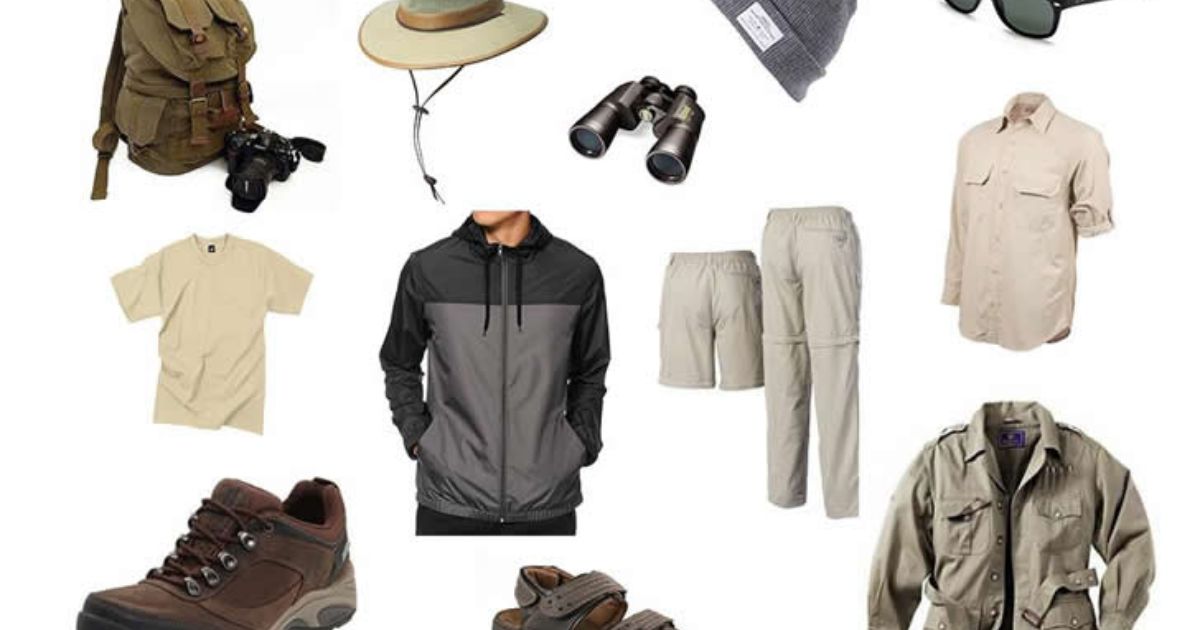
2. What to Wear on Safari in Kenya: The Clothing Guide.
Choosing the right safari clothing is about comfort, blending in with nature, and protecting yourself from the elements. The golden rule for a safari wardrobe is “layering.”
Kenya is located on the equator, but many of its famous wildlife parks are situated at high altitudes. This means that early morning game drives can be incredibly cold, with temperatures dropping to 10°C (50°F). However, by midday, the sun comes out and temperatures can easily rise to 30°C (86°F). To stay comfortable, you need to wear clothes that you can easily peel off as the day gets warmer.
The Best Safari Colors.
When picking out your safari clothing, color is highly important. You should pack clothing in neutral, earth-toned colors. The best colors to wear on a safari are:
- Khaki
- Olive green
- Tan
- Brown
- Beige
These colors help you blend into the natural environment, meaning you will not distract or scare off the wildlife. Neutral tones also hide the inevitable safari dust much better than bright colors.
Colors to Avoid:
- Black and Dark Blue: These colors are known to attract tsetse flies, which have a very painful bite.
- White: White clothing will look dirty within the first ten minutes of a dusty game drive, and it reflects the sun too brightly.
- Bright Colors: Neon colors, bright reds or bright pinks make you stand out and can disturb the animals.
- Camouflage: In Kenya (and many other African countries), wearing military-style camouflage clothing is strictly prohibited for civilians.
Essential Safari Shirts and Tops.
You will want to pack a mix of short-sleeved and long-sleeved shirts. Breathable, lightweight, and moisture-wicking materials are the best choices.
Bring at least two or three long-sleeved button-up shirts. Even when it is hot, a light long-sleeved shirt is your best defense against the harsh equatorial sun and biting insects. A classic linen or cotton safari shirt is perfect for this. For your base layer, pack three to four comfortable, moisture-wicking t-shirts.
Safari Trousers and Shorts.
For your lower half, you want practical, lightweight and quick-drying bottoms. Convertible pants (trousers that zip off into shorts) are highly recommended. You can wear them as long pants during the chilly morning drive and zip the legs off when the afternoon heat kicks in.
Pack two to three pairs of lightweight safari trousers. They protect your legs from thorny bushes if you go on a guided bush walk and they protect you from mosquito bites in the evening. You can also pack one or two pairs of comfortable shorts to wear around the lodge pool during your midday breaks.
Outerwear and Warm Layers.
Because of the wind chill in open-sided 4×4 safari vehicles, the mornings will feel colder than you expect. You must include warm layers in your Masai Mara packing list.
Bring one warm fleece jacket or a light down puffer jacket. These are easy to compress into your luggage but offer excellent warmth. A windbreaker or a lightweight rain jacket is also an essential item, especially if you are traveling during Kenya’s wet seasons (April to May and November). Lastly, pack a warm scarf or a neck buff. A buff is fantastic because it keeps your neck warm in the morning and can be pulled over your nose and mouth to block dust when driving on dry dirt roads.
3. Essential Footwear for the Bush.
You do not need to pack heavy, knee-high combat boots, but you do need practical and comfortable footwear. Space is limited in your luggage, so try to limit yourself to two pairs of shoes.
Lightweight Hiking Boots or Trail Shoes: A pair of comfortable, closed-toe walking shoes is a must. If your itinerary includes guided walking safaris or bush walks, a pair of lightweight, breathable hiking boots with good ankle support is highly recommended. These will protect your feet from thorns, uneven ground and insects. Even if you are just doing game drives, closed shoes keep your feet warm in the morning and protect them from dust.
Sandals or Slip-On Shoes: Your second pair of shoes should be comfortable sandals, flip-flops, or lightweight slip-on shoes. Between game drives, you will spend your time relaxing at your lodge or camp. Having a breathable pair of open shoes allows your feet to rest and stay cool during the heat of the day.
Socks: Pack four to five pairs of moisture-wicking socks. It is also very wise to pack one pair of thicker, warm socks to wear during those chilly early morning game drives.
4. Crucial Safari Gear and Electronics.
A safari is a highly visual experience. Having the right gear will elevate your trip from good to unforgettable. Here is the technical gear you must include on your Kenya safari packing list.
Cameras and Lenses.
The wildlife in Kenya is spectacular, and you will want to capture it. While modern smartphones take great photos of landscapes and close-up animals, they struggle to capture distant wildlife. If you want high-quality photos, bring a DSLR or mirrorless camera.
The most important camera gear is a good telephoto lens (ideally 200mm to 400mm or more) so you can safely photograph predators from a distance. Because the dirt tracks are very dusty, try to avoid changing lenses while in the vehicle. Also, bring a dust-proof bag or dry bag to cover your camera when you are driving.
Binoculars.
If there is one item you should never forget on a safari, it is a good pair of binoculars. While your guide will likely have a pair to share, having your own means you never miss a moment. Binoculars allow you to see the intricate details of a lion’s face, spot a leopard hiding in a distant tree, or observe Kenya’s incredible birdlife. Look for binoculars with an 8×42 or 10×42 magnification for the best balance of zoom and stability.
Power Banks and Adapters.
You will be taking hundreds of photos and videos daily, which will drain your batteries quickly. Pack a high-capacity power bank to charge your phone and devices while out on long game drives.
Additionally, you will need a travel adapter. Kenya uses the Type G electrical plug (the same three-pronged plug used in the United Kingdom). Ensure you bring one or two universal adapters so you can charge your camera batteries at the lodge.
Extra Memory Cards and Batteries.
There are rarely places to buy electronics in the middle of the African bush. Bring double the amount of memory cards and spare camera batteries you think you will need. The cold morning air can cause batteries to drain much faster than normal.
5. Health, Safety and Toiletries.
Staying healthy and protected from the harsh equatorial sun is vital for a successful trip. Most lodges provide basic soap and shampoo, but you should bring your own specialized toiletries.
Sun Protection: The sun in Kenya is intense. You must pack a high-SPF sunscreen (SPF 30 to 50+), and reapply it frequently. A wide-brimmed safari hat with a chin strap is crucial for keeping the sun off your neck and face (the chin strap stops it from flying away in the open vehicle). Lastly, bring high-quality sunglasses with UV protection and a lip balm containing SPF to prevent chapped lips.
Insect Repellent and Medication: Mosquitoes and tsetse flies are part of the ecosystem. Pack a strong insect repellent containing at least 30% DEET or Picaridin. Apply it every evening before dinner and in the early mornings.
You should also pack a small, personalized medical kit. Include your prescribed anti-malaria tablets, pain relievers (like ibuprofen or paracetamol), antihistamines for bug bites, motion sickness pills (the safari roads can be very bumpy) and medication for an upset stomach. It is always better to have these items and not need them, than to need them and not have them.
6. Kenya Safari Packing List: What NOT to Pack.
Knowing what to leave behind is just as important as knowing what to pack. Avoid bringing these items to Kenya:
-
Plastic Bags: Kenya has one of the strictest plastic bag bans in the world. Single-use plastic bags (including duty-free bags and grocery bags) are illegal and can result in heavy fines at the airport. Use reusable clear toiletry bags instead.
-
Drones: Drones are strictly prohibited in all of Kenya’s national parks, reserves and conservancies to prevent wildlife poaching and avoid disturbing the animals. Do not bring one; it will likely be confiscated at the airport.
-
Heavy, Hard-shell Suitcases: As mentioned earlier, these will not fit in the bush planes.
-
Expensive Jewelry: Leave your flashy watches and expensive jewelry at home. A safari is a casual, dusty, outdoor adventure.
-
Hairdryers: Most luxury camps run on solar power and the high wattage of a hairdryer can blow the camp’s fuses. If you need one, check if your lodge provides low-wattage options.
7. The Ultimate Daypack Guide.
Your main duffel bag will stay at the lodge, so you need a good daypack (a small backpack) to bring with you into the safari vehicle. Your daypack should contain everything you need for a 4 to 8-hour game drive.
Inside your daypack, you should have:
- Your camera and extra batteries.
- Binoculars.
- Sunscreen and SPF lip balm.
- Insect repellent.
- Sunglasses and your wide-brimmed hat.
- A reusable water bottle (lodges will provide safe drinking water).
- Hand sanitizer and a small pack of wet wipes (for dusty hands).
- Your warm fleece or jacket (for when you take it off as it gets hot).
- A photocopy of your passport and travel insurance details.
By organizing your daypack effectively, you will be prepared for any situation out in the bush while keeping your essentials safe and within easy reach.
10 Frequently Asked Questions (FAQs) on Kenya Safari Packing List.
1. How strict is the luggage limit on Kenya safari flights?
Very strict. The 15 kg (33 lbs) limit is for safety reasons on small aircraft. This weight must include both your checked duffel bag and your carry-on daypack. Pilots will weigh your bags and excess luggage may be left behind or charged a hefty fee.
2. Can I wear jeans on a Kenya safari?
While you can wear jeans, they are not highly recommended. Jeans are heavy, take a long time to dry and can be very hot during the midday sun. Lightweight, breathable safari trousers are a much better choice.
3. Are laundry services available at safari lodges?
Yes! Almost all safari lodges and camps in Kenya offer daily laundry services. Because of this, you only need to pack enough clothing for 3 to 4 days, even if you are staying for a week. Note that for cultural reasons, many camps require you to wash your own underwear (they will provide washing powder in your bathroom).
4. What are the best colors to wear on safari?
The best colors are neutral earth tones: khaki, olive green, tan, brown and beige. These colors help you blend into the wilderness and do not show dirt and dust as easily as lighter colors.
5. Why can’t I wear black or dark blue?
Black and dark blue clothing are known to attract tsetse flies. The bite from a tsetse fly is very painful and can cause swelling. It is best to stick to lighter, neutral colors to avoid them.
6. Can I wear camouflage in Kenya?
No. In Kenya, and many other African nations, camouflage clothing is strictly reserved for the military and wildlife rangers. Civilians wearing camouflage may be questioned or asked to change by authorities.
7. Do I need heavy hiking boots for a safari?
Unless you are planning to climb Mount Kenya, heavy hiking boots are not necessary. For standard game drives and basic bush walks, a pair of lightweight trail shoes, comfortable sneakers or low-cut walking boots will work perfectly.
8. What should I pack in my safari daypack?
Your daypack should include your binoculars, camera, extra batteries, sunscreen, insect repellent, sunglasses, a hat, a reusable water bottle, wet wipes and an extra warm layer for the morning chill.
9. Is it cold on safari in Kenya?
Yes, it can be! Because many parks like the Masai Mara are at a high altitude, early mornings and late evenings can be quite chilly, dropping to around 10°C (50°F). You definitely need a warm jacket, fleece and possibly a scarf for the early morning game drives.
10. Can I bring plastic bags to Kenya?
No. Kenya has a strict nationwide ban on single-use plastic bags. Do not pack your shoes or toiletries in standard plastic grocery bags. Instead, use reusable cloth bags, packing cubes or TSA-approved clear silicone bags.
Conclusion: Kenya safari packing list.
Packing for a trip to East Africa doesn’t have to be stressful. By sticking to this Kenya safari packing list, focusing on comfortable layers, adhering to the luggage limits and bringing the right gear, you will be perfectly prepared for the wild. Remember to pack light, prioritize earth tones and bring a great pair of binoculars.
If you are looking for an expertly guided, deeply authentic safari experience tailored just for you, visit www.masaiafricasafaris.com. With the right preparation and the right team guiding you, your adventure in the Kenyan bush will be nothing short of spectacular. Happy packing, and enjoy your safari!