

Imagine waking up to the golden sunrise over the African savannah, surrounded by the raw beauty of untamed nature. For wildlife lovers, experiencing the Best Safari in Kenya is a dream come true. From the dramatic river crossings of the Great Migration to the breathtaking views of Mount Kilimanjaro, this vibrant country offers an adventure like no other. Whether you are looking for an action-packed Big Five safari or a peaceful bird-watching retreat, www.masaiafricasafaris.com is your ultimate partner in crafting the perfect journey. Let’s dive into the top destinations and everything you need to know to plan your ultimate Kenyan adventure.
Why Kenya is the Ultimate Destination for Wildlife Lovers.
Kenya is widely celebrated as the birthplace of the traditional African safari. It boasts an incredible diversity of landscapes, ranging from sweeping grassy plains and acacia woodlands to dense riverine forests and dramatic rift valleys. This varied terrain provides the perfect habitat for a staggering array of wildlife.
When you book a trip with www.masaiafricasafaris.com, you are not just booking a holiday; you are stepping into a world-class wildlife documentary. The country is home to some of the most famous national parks and reserves on the planet, making it the perfect setting for a Kenya wildlife safari. The dedication to conservation, the warmth of the local Maasai and Samburu people and the sheer volume of animals make Kenya a top-tier choice.
Furthermore, Kenya offers excellent accessibility. With numerous daily international flights into Nairobi and a well-connected network of domestic airstrips, moving from one breathtaking national park to another is a seamless and exciting experience.
Top Destinations for the Best Safari in Kenya.
To experience the very best that East Africa has to offer, your itinerary must include some of these legendary parks and reserves.
1. Maasai Mara National Reserve: The Crown Jewel.
When people think of a classic African safari, they are usually picturing the Maasai Mara. Located in the southwestern part of the country, the Mara is world-renowned for its exceptional populations of lions, leopards, cheetahs and African bush elephants.
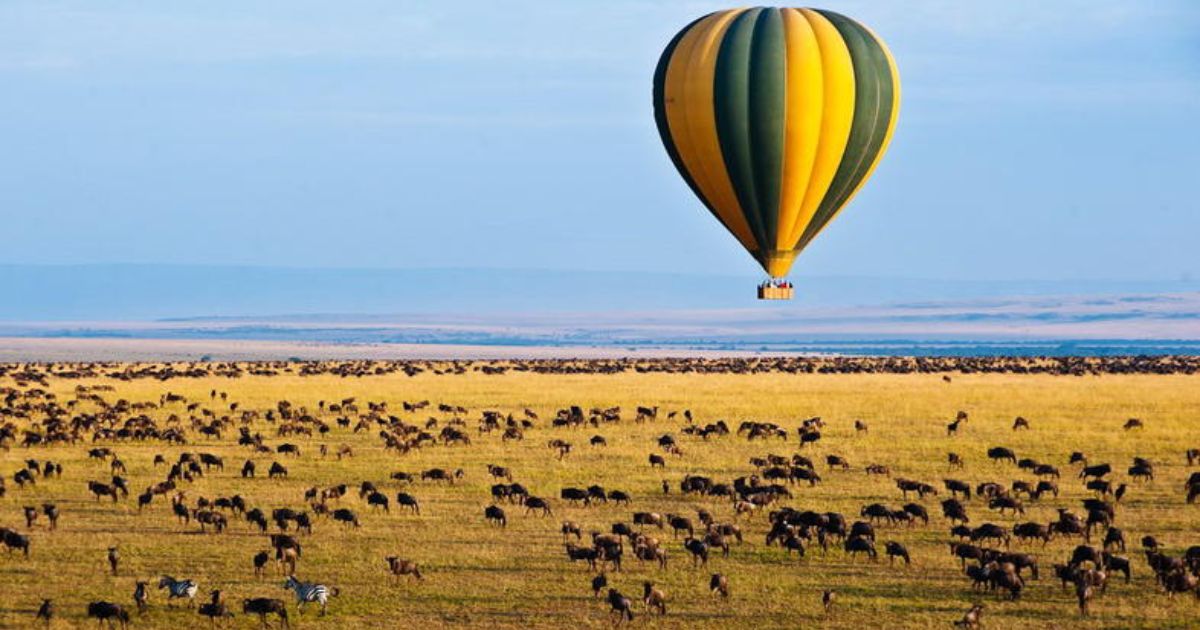
The true magic of the Maasai Mara, however, lies in the Great Wildebeest Migration. Between July and October, over two million wildebeests, zebras and gazelles cross the Mara River from the Serengeti in Tanzania in search of greener pastures. This dramatic event, often fraught with crocodile attacks and predator ambushes, is widely considered the greatest wildlife show on earth. For anyone looking for the Best Safari in Kenya, the Maasai Mara is an absolute must-visit.
2. Amboseli National Park: The Land of Giants.
If you want to see massive herds of elephants roaming freely with the snow-capped peak of Mount Kilimanjaro in the background, Amboseli National Park is the place to be.
Amboseli is often referred to as the “Home of the African Elephant.” The park’s varied habitats, which include dried-up lake beds, wetlands with sulfur springs, savannahs and woodlands, support a vast array of wildlife. Aside from elephants, you can spot giraffes, zebras, cheetahs and hundreds of bird species. Booking a tour through www.masaiafricasafaris.com ensures you get the best guides who know exactly where to find the animals against the most scenic backdrops.
3. Lake Nakuru National Park: A Bird Watcher’s Paradise.
Situated in the Great Rift Valley, Lake Nakuru National Park is a beautiful and compact park famous for its shimmering alkaline lake.
Historically known for the millions of pink flamingos that line its shores, Lake Nakuru is a dream destination for bird watchers. Beyond the vibrant birdlife, the park also serves as a highly successful rhino sanctuary. It is one of the easiest places in Kenya to spot both black and white rhinoceroses. You can also find tree-climbing lions, leopards and large herds of buffalo resting in the lush green vegetation.
4. Tsavo National Parks (East and West): The Rugged Wilderness.
Tsavo is Kenya’s largest national park, split into Tsavo East and Tsavo West by the Nairobi-Mombasa highway. Together, they form one of the largest wildlife conservation areas on the globe.
- Tsavo East is known for its vast, open plains and the unique “red elephants,” which get their color from dusting themselves in the region’s red volcanic soil. It is a brilliant spot for those who want a raw, uncrowded safari experience.
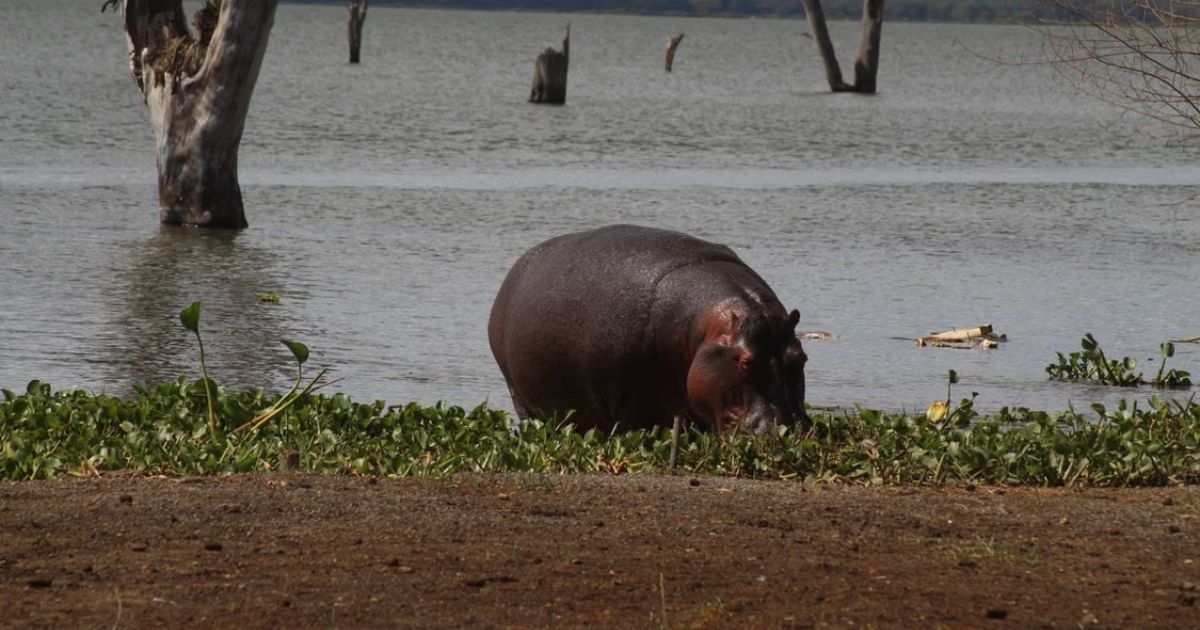
- Tsavo West offers a more dramatic, rugged landscape featuring volcanic cones, rocky outcrops, and the famous Mzima Springs, where you can watch hippos and crocodiles from an underwater viewing chamber.
5. Samburu National Reserve: The Unique Northern Frontier.
Located in the arid, rugged terrain of northern Kenya, Samburu National Reserve offers a completely different safari experience. The Ewaso Ng’iro River flows through the reserve, acting as a lifeline that attracts a dense concentration of wildlife.
Samburu is famous for the “Samburu Special Five”—rare species that are not commonly found in southern parks. These include the reticulated giraffe, the Grevy’s zebra, the Beisa oryx, the gerenuk (a long-necked antelope) and the Somali ostrich. A visit to Samburu adds incredible depth and variety to the Best Safari in Kenya.
6. Ol Pejeta Conservancy: The Rhino Sanctuary.
Nestled on the Laikipia Plateau, Ol Pejeta Conservancy is a shining example of modern wildlife conservation. It is the largest black rhino sanctuary in East Africa and is famously home to the last remaining northern white rhinos in the world.
Ol Pejeta is also an excellent place to see the Big Five and features a chimpanzee sanctuary. Because it is a private conservancy, it offers exclusive activities like night game drives and guided bush walks, which are strictly regulated in national parks.
7. Nairobi National Park: Wildlife in the City.
Nowhere else in the world can you photograph a wild lion or a rhino with a bustling city skyline in the background. Nairobi National Park is located just a short drive from the city center, making it the perfect start or end point for your Kenya safari packages. Despite its small size, it boasts an impressive population of lions, leopards, buffalos and rhinos.
The Big Five Safari Kenya Experience.
The term “Big Five” was originally coined by big-game hunters to describe the most difficult and dangerous animals to track on foot. Today, it is the holy grail of wildlife viewing.
The Big Five includes:
- The Lion: The undisputed king of the savannah. The Maasai Mara is arguably the best place in the world to see large, active prides of lions.
- The Leopard: Elusive, solitary, and nocturnal. These beautiful cats are often spotted resting high in the branches of acacia trees in places like Samburu and the Mara.
- The Elephant: Gentle giants that move in tight-knit family herds. Amboseli and Tsavo offer spectacular elephant viewing.
- The Rhino: Heavily poached and critically endangered. Ol Pejeta Conservancy and Lake Nakuru are the best locations to spot both black and white rhinos.
- The Cape Buffalo: Known for their formidable size and unpredictable nature, massive herds of buffalo can be found in almost all Kenyan national parks.
Experiencing a Big Five safari Kenya is a primary goal for many travelers and utilizing the expertise of www.masaiafricasafaris.com ensures your itinerary is perfectly optimized to spot all five.
Best Time to Visit Kenya for a Safari.
Understanding the seasons is crucial to planning the Best Safari in Kenya. The country generally experiences two main dry seasons and two rainy seasons.
- The Long Dry Season (June to October): This is widely considered the absolute best time to visit. The weather is cool and dry, making wildlife easier to spot as animals congregate around permanent water sources. This window also aligns perfectly with the Great Wildebeest Migration in the Maasai Mara.
- The Short Dry Season (January to March): This is an excellent time for bird watching and spotting newborn animals. The vegetation is lush and the skies are clear, providing excellent conditions for photography.
- The Rainy Seasons (April to May and November to December): While heavy rains can make some dirt roads difficult to navigate, the “green season” offers its own unique charm. Parks are wonderfully quiet, rates are much lower and the landscapes are spectacularly vibrant and green.
Different Types of Kenya Safari Packages.
No two travelers are the same, which is why there are numerous ways to experience the wild. When booking through www.masaiafricasafaris.com, you can customize your journey to fit your specific needs and travel style.
1. Luxury Safari Kenya.
For those seeking the ultimate indulgence, a luxury safari Kenya offers breathtaking opulence in the heart of the bush. Think five-star canvas tented camps, private plunge pools overlooking the vast savannah, gourmet dining under the African stars and exclusive fly-in safaris that maximize your time in the wilderness.
2. Budget Kenya Safari.
You don’t have to break the bank to see incredible wildlife. A budget Kenya safari often involves group joining tours in custom-built safari minivans. Accommodation usually consists of comfortable, basic pitched tents or budget lodges located just outside the national park gates, giving you the same amazing wildlife experience at a fraction of the cost.
3. Family Safari.
Kenya is a fantastic destination for families of all ages. Family-friendly lodges offer adjoining rooms, large swimming pools and specialized children’s programs. This allows kids can learn how to track animals, make traditional Maasai bows and arrows and understand the deep importance of environmental conservation.
What to Pack for Your Kenya Wildlife Safari.
Packing correctly ensures you remain comfortable and fully prepared for long days out in the bush. Here is a quick checklist of essentials:
- Light, neutral-colored clothing: Khaki, olive green and brown colors blend in perfectly with the environment. Avoid dark blue and black, which can attract tsetse flies.
- Warm layers: Early morning game drives can be surprisingly cold, so bring a warm fleece or a light jacket.
- Good binoculars: Absolutely essential for spotting distant predators and colorful birdlife hidden in the trees.
- Sun protection: A wide-brimmed hat, polarized sunglasses and high-SPF sunscreen are non-negotiable.
- Camera gear: Bring extra batteries and memory cards—you will definitely take more photos than you think!
Why Choose www.masaiafricasafaris.com
Planning a safari requires intricate logistical knowledge, from arranging park entrance permits and seamless airport transfers to selecting the lodges that offer the absolute best value. This is where www.masaiafricasafaris.com truly excels.
With years of on-the-ground experience, their dedicated team crafts bespoke itineraries tailored to your specific interests. Whether you want to focus heavily on photography, witness the breathtaking Great Migration or enjoy a secluded romantic honeymoon in the wilderness, they handle every single detail with precision. Their local guides are highly trained experts who know the parks intimately, ensuring you get the absolute most out of your Best Safari in Kenya.
Conclusion: Best Safari in Kenya.
Embarking on a journey to East Africa is a deeply transformative experience. The vast, open landscapes, the rich cultural heritage of the local tribes, and the sheer abundance of majestic animals make it a destination that captures the heart forever. From the thundering hooves of the Great Migration in the Maasai Mara to the peaceful, flamingo-lined shores of Lake Nakuru, every single moment is packed with wonder.
To guarantee a seamless, thrilling and completely safe adventure, you must trust the local experts. Booking your trip through www.masaiafricasafaris.com ensures you are getting the absolute Best Safari in Kenya. Start planning your dream wildlife getaway today and prepare to be amazed by the raw, untamed beauty of Africa.
10 Frequently Asked Questions (FAQs).
1. What is the Best Safari in Kenya?
The Best Safari in Kenya usually involves a customized itinerary that visits top wildlife destinations like the Maasai Mara, Amboseli and Lake Nakuru. For a perfectly tailored experience, visit www.masaiafricasafaris.com.
2. How many days do I need for a good Kenya safari?
A minimum of 5 to 7 days is highly recommended to comfortably visit two or three different national parks without feeling rushed.
3. Is Kenya safe for tourists?
Yes, Kenya is very safe for tourists, especially when traveling on guided wildlife safaris. Professional tour operators like www.masaiafricasafaris.com prioritize your safety and security at all times.
4. When is the Great Migration in Kenya?
The Great Wildebeest Migration typically arrives in Kenya’s Maasai Mara from the Serengeti around July and remains grazing on the plains until late October.
5. What is a Big Five safari Kenya?
A Big Five safari focuses on spotting the African lion, leopard, elephant, rhino and Cape buffalo. Kenya’s diverse parks offer an excellent and reliable chance to see all five.
6. Do I need a visa to visit Kenya?
Most international visitors need an Electronic Travel Authorization (eTA) to enter Kenya. It is a simple online process that should be completed before your arrival.
7. Can I book a family-friendly safari?
Absolutely! Kenya is highly accommodating to families. Contact www.masaiafricasafaris.com to arrange an exciting itinerary with child-friendly lodges and engaging activities.
8. What are the accommodation options on a safari?
Options range broadly from basic camping for a budget Kenya safari to ultra-luxurious, five-star tented camps with private viewing decks and plunge pools.
9. Are there malarial risks in Kenya’s safari parks?
Yes, some national parks are located in malaria zones. It is highly recommended to consult your doctor for preventative anti-malarial medication before your trip.
10. How do I get around between different national parks?
You can travel via guided pop-up roof safari land cruisers or opt for quick light aircraft flights between parks to save time. The team at www.masaiafricasafaris.com handles all internal transport logistics for you.