

Tired of spending long, bumpy hours on rough roads when you could be spotting lions in the African wilderness? For travelers seeking maximum time among wildlife and minimal time in transit, Safari Flights in Kenya offer the ultimate solution for exploring the country’s iconic national parks and private conservancies. By choosing a fly-in safari with www.masaiafricasafaris.com, you turn grueling day-long drives into scenic, comfortable 45-minute flights, landing directly in the heart of the bush ready for action.
Why Choose Fly-In Safaris in Kenya?
When planning a wildlife holiday in East Africa, one of the biggest decisions you will face is how to travel between national reserves. While road safaris in customized 4×4 Land Cruisers remain popular, fly-in safaris have become the preferred choice for discerning travelers, families and those with limited vacation time.
- Unmatched Time Efficiency: A drive from Nairobi to the Maasai Mara can take anywhere from six to eight hours depending on traffic and road conditions. A direct flight takes approximately 45 minutes. This means you can wake up in Nairobi and be on your first afternoon game drive before lunch.
- Breathtaking Aerial Views: Flying in small propeller aircraft gives passengers front-row seats to Kenya’s dramatic landscapes. From above, you will witness the sweeping drop of the Great Rift Valley, the snow-capped peak of Mount Kilimanjaro and vast herds of wildlife moving across the golden savannahs.
- Access to Remote Conservancies: Some of Kenya’s most exclusive wildlife conservancies—such as those in northern Laikipia, Samburu and private Mara sectors—are located in remote areas where road access is challenging. Bush airstrips allow seamless travel straight to these hidden gems.
- Reduced Physical Fatigue: Long journeys across uneven dirt roads can be physically draining, especially for young children or senior travelers. Arriving fresh at your luxury camp ensures you enjoy every minute of your bush experience.
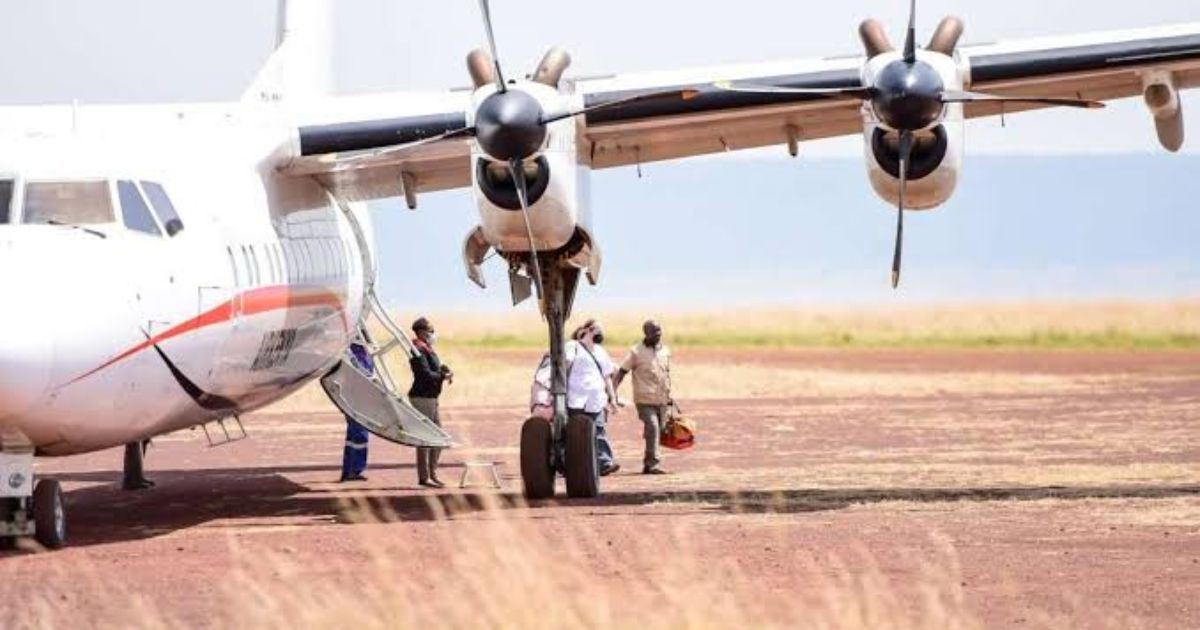
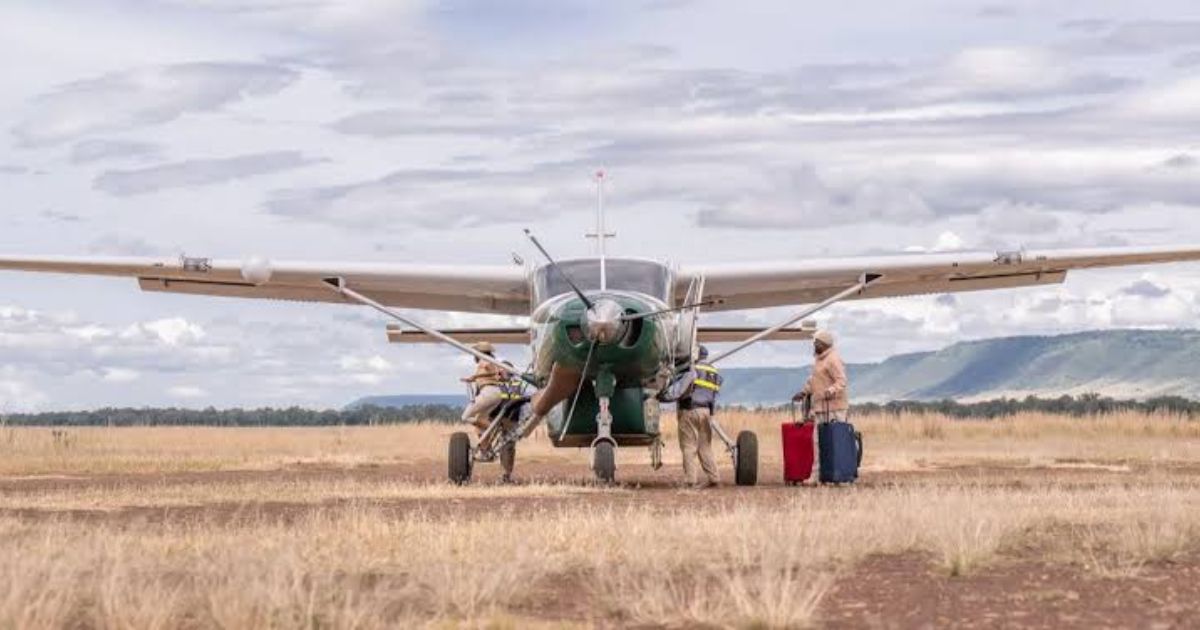
The Central Aviation Hub: Wilson Airport (Nairobi).
Virtually all domestic safari flights in Kenya originate from Wilson Airport (IATA: WIL), located roughly 5 kilometers south of Nairobi’s city center and about 18 kilometers from Jomo Kenyatta International Airport (JKIA). While JKIA handles long-haul international arrivals, Wilson Airport serves as the bustling heartbeat of regional safari aviation.
Unlike major international terminals, Wilson Airport operates through several smaller, operator-specific terminal buildings. Leading domestic carriers such as Safarilink and AirKenya maintain their own dedicated departure lounges, check-in counters and cafes. When arriving at Wilson Airport, it is crucial to know which specific airline terminal your flight departs from, as drivers must drop you off at the correct entrance.
For international travelers connecting from JKIA to Wilson Airport, it is always wise to allow at least three to four hours between your international landing and your bush flight departure. Nairobi traffic can be unpredictable and clearing immigration, collecting baggage, and transferring between airports requires ample buffer time.
Major Safari Flight Routes in Kenya.
Kenya features a well-developed network of daily scheduled flights linking major urban centers, wilderness reserves, and coastal beach resorts. Understanding these primary flight corridors will help you design a balanced and logical itinerary.
1. Nairobi to Maasai Mara National Reserve.
This is by far the busiest and most popular safari flight corridor in East Africa. Multiple scheduled flights depart Wilson Airport every morning and afternoon for the Maasai Mara. Because the Mara encompasses over 1,500 square kilometers plus surrounding private conservancies, aircraft do not land at a single airport. Instead, flights operate like a “bus service in the sky,” hopping between various bush airstrips across the ecosystem to drop off and pick up guests.
2. Nairobi to Amboseli National Park.
Located at the foot of Mount Kilimanjaro, Amboseli is famous for its massive elephant herds and iconic mountain backdrop. Daily morning flights from Wilson Airport take under 45 minutes to reach the Amboseli Airstrip. This route is frequently combined with the Maasai Mara to create a classic southern Kenya wildlife circuit.
3. Nairobi to Samburu, Buffalo Springs & Laikipia.
For travelers seeking rugged northern landscapes and unique species like the Reticulated Giraffe and Grevy’s Zebra, northern routes fly directly from Wilson Airport to Samburu, Lewa Wildlife Conservancy and Nanyuki. Flights to these northern reserves offer incredible views of Mount Kenya before descending into the semi-arid plains.
4. Bush-to-Beach Extensions (Mara to Kenya Coast).
One of the greatest advantages of safari aviation in Kenya is the ability to connect the wild savannah directly with tropical beaches. Direct flight routes link the Maasai Mara with coastal destinations such as Diani Beach (Ukunda Airstrip), Malindi and Lamu Island. Instead of returning to Nairobi, you can finish your morning game drive in the Mara and be sipping coconut water on Diani’s white sands by late afternoon.
When planning your custom bush-and-beach itinerary, expert planners at www.masaiafricasafaris.com ensure all flight connections, ground transfers and park pickups are flawlessly synchronized.
Overview of Key Bush Airstrips in Kenya.
Because national parks do not have traditional tarmac runways, light aircraft land on designated dirt, gravel or paved bush airstrips maintained near safari camps and lodges. Knowing your arrival airstrip is essential because your lodge guide will meet you directly at the runway.
The table below outlines the primary bush airstrips across Kenya’s top safari destinations:
| Region / Park | Major Bush Airstrips | Nearby Lodges & Conservancies | Approx. Flight Time from Nairobi |
| Maasai Mara | Mara Serena, Ol Kiombo, Keekorok, Musiara, Kichwa Tembo, Mara North | Serena Safari Lodge, Governor’s Camp, Sarova Mara, Mara Serena, Mara North Conservancies | 45 – 60 Minutes |
| Amboseli | Amboseli Airstrip | Ol Tukai Lodge, Amboseli Serena, Tortilis Camp | 40 – 45 Minutes |
| Samburu & Buffalo Springs | Samburu Oryx, Kalama Airstrip | Samburu Intrepids, Elephant Bedroom Camp, Saruni Samburu | 50 – 60 Minutes |
| Laikipia & Lewa | Lewa Airstrip, Nanyuki Airstrip, Kamok Airstrip | Lewa Safari Camp, Ol Pejeta Conservancy, Loisaba Lodge | 45 – 55 Minutes |
| Tsavo East & West | Finch Hatton (Kitchwa Tembo), Kilaguni, Satao | Finch Hattons, Kilaguni Serena, Ashnil Aruba | 50 – 65 Minutes |
| Kenyan Coast | Ukunda (Diani), Malindi Airstrip, Manda Airstrip (Lamu) | Diani Beach Resorts, Watamu Hotels, Lamu Heritage Houses | 60 – 80 Minutes |
Essential Luggage Rules for Safari Flights.
Due to the compact size of light safari aircraft—such as the Cessna Grand Caravan (13-seater) and De Havilland Dash 8—strict weight and size restrictions apply to all checked and carry-on luggage. Safety and proper aircraft weight distribution depend entirely on compliance with these rules.
┌─────────────────────────────────────────────────────────┐
│              SAFARI LUGGAGE AT A GLANCE                 │
├──────────────────────────┬──────────────────────────────┤
│ Maximum Weight Limit     │ 15 kg (33 lbs) per person    │
│ Allowance Inclusions     │ Hand luggage + Camera gear   │
│ Bag Type Requirement     │ Strictly SOFT-SIDED DUFFELS  │
│ Rigid Suitcase Policy    │ STRICTLY BANNED              │
└──────────────────────────┴──────────────────────────────┘
1. Strict 15 kg (33 lbs) Weight Allowance.
On standard bush sector flights, passengers are strictly limited to 15 kg (33 lbs) total weight per person. Note that this allowance is inclusive of hand luggage, personal handbags and heavy camera equipment. On select coastal routes (such as flights solely between Nairobi and Diani or Lamu), some airlines allow up to 20 kg, but any segment touching a safari park strictly enforces the 15 kg limit.
2. Soft-Sided Bags Only.
This is perhaps the most critical rule for safari travelers. Hard-shell suitcases, rigid rolling bags with metal frames and structured plastic luggage are not permitted in the cargo holds of bush planes. Aircraft baggage compartments are small and irregularly shaped. Luggage must be flexible enough to be squished and packed tightly together. Opt for soft duffel bags, canvas holdalls or frameless backpacks.
3. Handling Excess Baggage.
If you are traveling on a multi-week international trip and cannot pack under 15 kg, you have two primary options:
- Complimentary Excess Storage: Most airlines and reputable tour operators offer secure, free luggage storage facilities at Wilson Airport or their Nairobi offices. You can leave your hard suitcases and city clothes behind in Nairobi and take only your soft safari duffel into the bush.
- Purchasing a Freight Seat: If you must bring heavy specialized camera gear or extra gear on board, you can pre-book an additional “freight seat” on the aircraft. Buying an extra seat grants you an additional 65 kg to 75 kg of confirmed baggage allowance.
Leading Airlines Operating Safari Flights in Kenya.
Domestic aviation in Kenya is highly professional, boasting strict safety standards and experienced bush pilots who navigate local weather conditions with precision.
The top scheduled carriers serving safari routes include:
- Safarilink Aviation: Headquartered at Wilson Airport, Safarilink is one of Kenya’s premier safari airlines. They operate modern fleets connecting Nairobi with the Maasai Mara, Amboseli, Samburu, Lewa, Kilimanjaro, Diani and Lamu.
- AirKenya Express: Operating for decades out of its own private terminal at Wilson Airport, AirKenya offers daily scheduled flights to all primary Kenya national parks, as well as cross-border connections into Tanzania’s Serengeti.
- FlyALS: A growing charter and scheduled operator offering comfortable flights to major game reserves and coastal points with reliable schedules.
- Skyward Express & Mombasa Air Safari: Popular choices for coastal connections and routes linking the coast with the Maasai Mara and Amboseli.
- Private Charter Operators: For families, VIPs or photography groups desiring complete schedule flexibility, private aircraft charters can be arranged to fly directly between any licensed airstrip on your own timeframe.
Understanding Safari Flight Costs and Factors.
When budgeting for your trip, remember that fly-in safaris represent a premium travel experience. Rather than fixed static prices, flight costs vary according to dynamic market factors.
       ┌─────────────────────────────────────────────────────────┐
       │             FACTORS INFLUENCING FLIGHT RATES            │
       └────────────────────────────┬────────────────────────────┘
                                    │
         ┌──────────────────────────┼──────────────────────────┐
         ▼                          ▼                          ▼
┌──────────────────┐      ┌──────────────────┐      ┌──────────────────┐
│   Seasonality    │      │ Route Distance   │      │ Passenger Type   │
│ High peak season │      │ Short hop vs.    │      │ Adult vs child   │
│ vs low green     │      │ cross-country    │      │ rates & freight  │
└──────────────────┘      └──────────────────┘      └──────────────────┘
- Seasonality: Ticket rates follow the safari calendar. Peak migration months (July through October) and festive periods see higher demand and premium ticket pricing, whereas the rainy “green seasons” (April to May and November) offer lower indicative rates and discounted packages.
- Route Distance: A short 40-minute hop from Nairobi to Amboseli requires less fuel than a longer flight from the Maasai Mara directly to Diani Beach.
- Child Discounts: Most scheduled domestic carriers offer discounted fares for children aged 2 to 11 years (typically around 75% of the adult fare), while infants under 2 years fly free on an adult’s lap.
- Charter vs. Scheduled: Scheduled seats on shared flights are cost-effective for solo travelers and couples. For larger family groups of six or more, chartering an entire aircraft can often provide comparable per-person value with superior privacy and timing control.
For detailed, tailored flight quotes bundled seamlessly into your accommodation and game drive itinerary, consult the safari specialists at www.masaiafricasafaris.com.
Essential Tips for a Seamless Fly-In Safari.
To ensure your journey from the runway to the savannah is completely stress-free, keep these practical travel tips in mind:
- Always Double-Check Your Destination Airstrip: Never book a safari flight based on the park name alone. The Maasai Mara, for example, has over half a dozen different operational airstrips. Landing at Keekorok when your lodge is located near Mara North can result in a three-hour unwanted road transfer. Always confirm the nearest runway with your lodge or safari planner before booking.
- Keep Essentials in Your Personal Carry-On: When landing at a dirt airstrip, your camp guide will meet you right at the aircraft steps. Often, you will step straight into an open 4×4 vehicle for a game drive en route to the lodge. Keep your sunglasses, sun hat, camera gear, binoculars and essential medication in a small daypack under your seat rather than deep in your checked duffel bag.
- Prepare for Minor Atmospheric Turbulence: Light aircraft fly at lower altitudes than commercial jetliners. Midday thermal currents over the African rift valley can cause light, temporary bumps during afternoon flights. If you are prone to motion sickness, take preventive medication prior to boarding.
- Embrace the Scenic Hop: Don’t be surprised if your plane stops at one or two intermediate airstrips before your final destination. These brief drop-offs give you a fascinating glimpse of different landscapes and camps along the way!
10 Frequently Asked Questions (FAQs) About Safari Flights in Kenya.
1. What are the main benefits of taking safari flights in Kenya?
Safari flights drastically reduce travel time between destinations, eliminating long, exhausting road drives. They grant aerial views of Kenya’s landscapes and allow quick access to remote reserves and coastal beaches.
2. What is the strict baggage weight limit on domestic safari flights?
On most bush routes, the luggage limit is strictly 15 kg (33 lbs) per passenger, which includes both checked bags and hand luggage.
3. Why must luggage be soft-sided for bush flights?
Small safari planes have narrow, irregular cargo compartments. Hard-shell suitcases cannot fit or stack safely, whereas soft-sided duffel bags can flex to fit tightly into the hold.
4. Where can I store excess hard luggage while on safari?
Most scheduled airlines and tour operators, including www.masaiafricasafaris.com, provide secure, complimentary luggage storage at Wilson Airport in Nairobi so you only take your soft duffel into the bush.
5. How far in advance should I arrive at Wilson Airport?
It is recommended to arrive at Wilson Airport at least 60 to 90 minutes before your scheduled flight departure to clear security and check in smoothly.
6. Can I fly directly from the Maasai Mara to Diani Beach?
Yes! Direct bush-to-beach flight routes link the Maasai Mara (and other major parks) directly with Ukunda Airstrip in Diani, as well as Malindi and Lamu.
7. How do I know which bush airstrip to fly into?
Your safari lodge or tour operator will explicitly tell you which airstrip serves their property. Always confirm this exact airstrip name before reserving flight tickets.
8. Are child discounts available on Kenya safari flights?
Yes, children between 2 and 11 years old generally receive discounted fares (around 75% of adult rates). Infants under 2 years old fly free when seated on a parent’s lap.
9. Can I book a private charter safari flight in Kenya?
Absolutely. Private charters are ideal for families, photography groups or VIPs who require customized departure times, direct point-to-point routes or higher luggage allowances.
10. How do I book a complete fly-in safari package?
You can book fully integrated fly-in safari packages—including flights, airstrip transfers, luxury accommodation and game drives—by visiting www.masaiafricasafaris.com.
Conclusion: Safari Flights in Kenya.
Navigating the vast, untamed wilderness of East Africa should be an inspiring adventure, not an exhausting endurance test. By choosing Safari Flights in Kenya, you unlock the most efficient, comfortable, and breathtaking way to experience the country’s legendary wildlife reserves. From soaring over the Great Rift Valley to landing smoothly on remote savannah airstrips, fly-in safaris maximize every moment of your precious holiday.
Whether you wish to witness the Great Migration in the Maasai Mara, gaze at Mount Kilimanjaro from Amboseli or unwind on the white beaches of Diani, seamless air connectivity makes it all possible in a single trip. Do not waste valuable vacation days stuck in traffic. Plan your ultimate African adventure with the experts at www.masaiafricasafaris.com today and prepare to take your safari experience to extraordinary new heights!