

Imagine waking up to the distant roar of a lion as the golden sun rises over the savannah. When planning your stay at Safari Camps in Kenya, selecting the right style of accommodation can make or break your wilderness experience. Whether you prefer the rustic charm of a canvas tent or the solid comfort of a luxury resort, the options are vast and spectacular. To ensure you book the perfect getaway that matches your travel style, partnering with the experts at www.masaiafricasafaris.com is the ultimate first step. Let us explore the fundamental differences between tented camps and safari lodges to help you make an informed decision for your dream African adventure.
Understanding Kenyan Safari Accommodation.
Kenya is the birthplace of the traditional African safari. Over the decades, the hospitality industry in the wilderness has evolved to cater to diverse traveler needs. Today, the landscape is dotted with everything from massive, resort-style hotels to small, intimate eco-camps hidden deep within the bush.
For many first-time visitors, the terminology can be slightly confusing. People often use the words “camp” and “lodge” interchangeably, but in the world of Kenyan safaris, they represent two distinct styles of hospitality. Understanding these differences ensures that your expectations align with reality, whether you are tracking the Great Wildebeest Migration in the Masai Mara or photographing elephants against the backdrop of Mount Kilimanjaro in Amboseli.
The Classic African Safari Lodge.
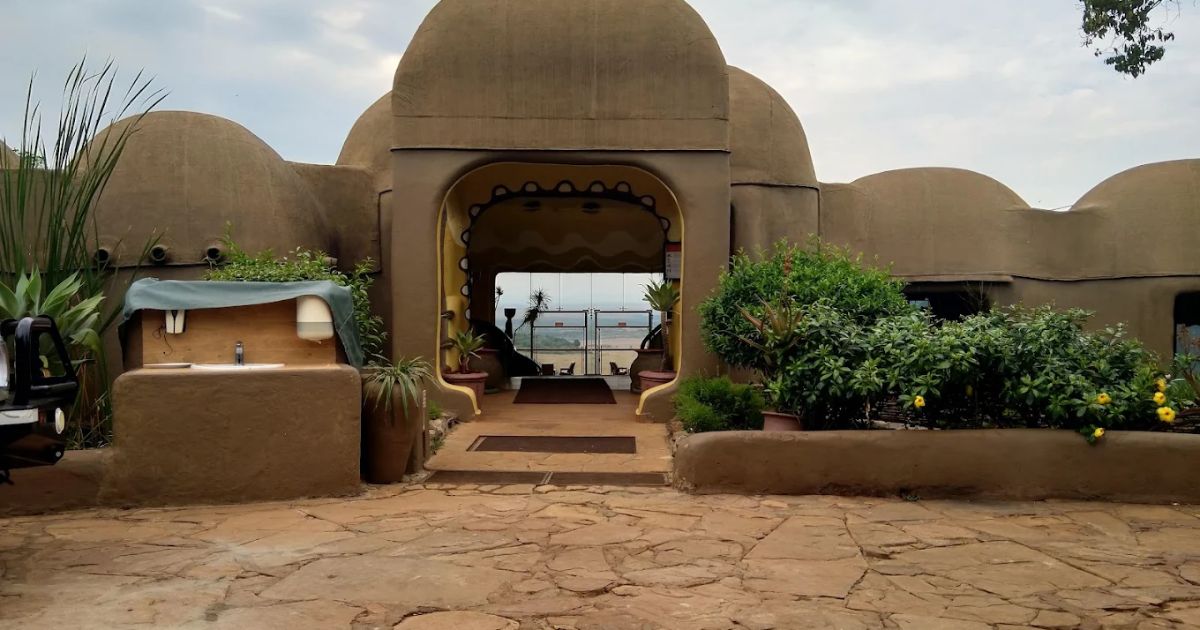
A safari lodge is typically a large, permanent structure built from stone, wood or brick. These establishments are designed to offer the familiarity and comfort of a standard luxury hotel, but they are situated in the middle of national parks or private conservancies. Lodges are ideal for travelers who want to experience the wild without sacrificing modern conveniences.
Key Features of a Safari Lodge.
- Permanent Structures: Guest rooms feature solid walls, glass windows and heavy doors, providing a strong sense of security and insulation from the elements.
- Extensive Amenities: Lodges often boast large central swimming pools, expansive dining halls, air conditioning, fitness centers and sometimes even wellness spas.
- Reliable Utilities: Because they are permanent structures, lodges usually have 24-hour electricity, strong Wi-Fi signals and standard plumbing with hot and cold running water.
- Larger Capacity: Lodges can accommodate a high number of guests, sometimes ranging from 50 to 150 people at a time.
Safari lodges provide a resort-style atmosphere. After a long, dusty game drive, you can retreat to a sprawling lounge, order a cocktail from a fully stocked bar and relax in a climate-controlled environment.
The Luxury Tented Camp Experience.
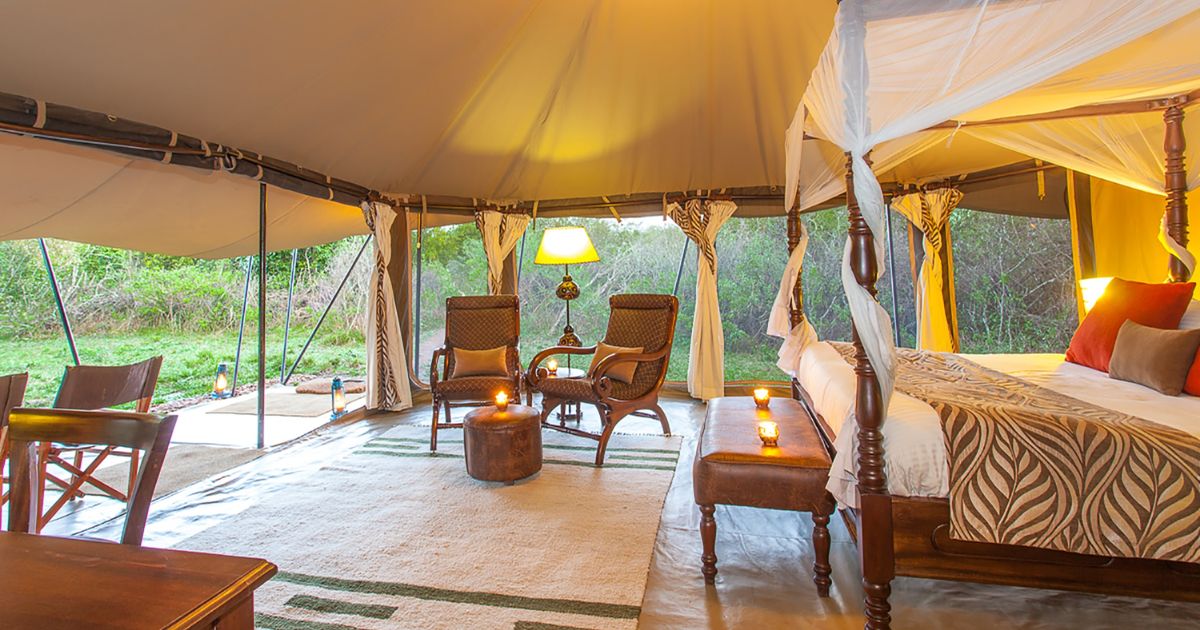
Do not let the word “tent” fool you. A luxury tented camp in Kenya is miles away from the basic pitching-a-tent camping you might be used to back home. These are highly sophisticated, glamorous accommodations (“glamping”) that combine the romance of the wilderness with exceptional luxury.
Key Features of a Tented Camp.
- Canvas Walls: Rooms are constructed using heavy-duty canvas, mesh windows and zippered doors, allowing the sounds and scents of the bush to flow through.
- Immersive Nature: Because the walls are thin, you fall asleep to the sound of crickets, grazing herbivores and distant predators. It is an incredibly authentic and sensory experience.
- Intimate Setting: Tented camps are usually much smaller than lodges, often featuring just 6 to 15 tents. This guarantees highly personalized service and a quiet, exclusive atmosphere.
- Eco-Friendly Footprint: Many camps are designed to be temporary or low-impact, relying heavily on solar power, eco-friendly waste management and sustainable materials.
Inside a luxury tent, you will find hardwood floors, massive king-sized four-poster beds, plush rugs and fully functional en-suite bathrooms with flushing toilets and hot showers.
Side-by-Side Comparison: Tented Camps vs. Safari Lodges.
To make the decision-making process easier, here is a structured comparison of what you can expect from each accommodation type.
| Feature | Safari Lodge | Luxury Tented Camp |
| Construction | Brick, stone, wood and glass. | Heavy canvas, elevated wooden decks. |
| Atmosphere | Resort-style, busy, comfortable. | Intimate, romantic, immersive. |
| Guest Capacity | High (50 – 150+ guests). | Low (10 – 30 guests). |
| Wildlife Sounds | Muffled or blocked by solid walls. | Clearly audible through canvas. |
| Amenities | Large pools, gyms, spas, AC. | Plunge pools, solar fans, eco-showers. |
| Best Suited For | Families, large groups, first-timers. | Couples, honeymooners, nature purists. |
How to Choose the Right Safari Camps in Kenya.
When planning your trip with www.masaiafricasafaris.com, your personal preferences and the dynamics of your travel group should guide your choice of accommodation.
1. Traveling with Young Children.
If you are organizing a family safari with young children, a safari lodge is usually the most practical choice. The solid walls provide peace of mind for parents worried about the wilderness. Additionally, lodges often feature paved walkways, kid-friendly menus, large swimming pools to burn off midday energy and sometimes even dedicated children’s clubs or babysitting services.
2. Planning a Romantic Honeymoon.
For honeymooners seeking privacy, romance, and exclusivity, a luxury tented camp is unmatched. The small number of guests means you rarely have to share your dining space. Many luxury camps offer private dinners on your tent’s veranda, outdoor copper bathtubs under the stars and highly personalized attention from the staff. The ambiance of sleeping under canvas in the middle of the Masai Mara is profoundly romantic.
3. The First-Time Safari Goer.
If this is your first time in Africa and you are nervous about insects, wildlife or sleeping in the bush, starting with a lodge might ease you into the experience. However, if you are adventurous and want the “Out of Africa” experience you have seen in movies, a tented camp will exceed your expectations without compromising on comfort.
4. Eco-Conscious and Sustainable Travel.
Travelers who prioritize sustainability should lean toward tented camps. Because they do not require deep concrete foundations, their impact on the fragile ecosystem is minimal. Mobile tented camps leave virtually zero footprint once they pack up and move. Most permanent camps also operate entirely on solar energy and use water conservation techniques to protect the environment.
Top Destinations for Safari Accommodation in Kenya.
Kenya is blessed with incredibly diverse landscapes and the type of accommodation available often reflects the specific region’s terrain.
1. Masai Mara National Reserve.
The Masai Mara is globally famous for the Great Wildebeest Migration and abundant big cat populations. Here, you will find an excellent mix of large lodges along the reserve’s borders and exclusive luxury tented camps hidden deep within private conservancies. Staying in a private conservancy camp often allows for off-road driving, night game drives and guided walking safaris, which are restricted in the main reserve.
2. Amboseli National Park.
Known for its massive elephant herds and spectacular views of Mount Kilimanjaro, Amboseli features several established safari lodges. Because the park is relatively small and highly visited, large lodges are common. However, there are a few exquisite tented camps located in the private concessions surrounding the main park, offering a quieter alternative.
Tsavo and Samburu.
Tsavo (East and West) and Samburu National Reserve offer rugged, arid landscapes. These areas are home to unique species like the Reticulated Giraffe and the Grevy’s Zebra. You will find rugged stone lodges built into the natural rock formations, as well as beautiful tented camps situated along the banks of the Ewaso Ng’iro River.
Factors Influencing the Cost of Your Stay.
When budgeting for your Kenyan safari, it is important to understand that costs vary widely based on several dynamic factors rather than fixed pricing lists.
- Level of Luxury: Accommodation ranges from comfortable mid-range lodges to ultra-luxurious tented camps featuring private plunge pools and dedicated butlers.
- Seasonality: Traveling during the peak migration season (July to October) or the festive season (December) drives up demand and costs. Planning your trip during the “green season” (April to June) often yields excellent value and lush, beautiful landscapes.
- Location and Logistics: Camps located in remote private conservancies require short domestic flights (fly-in safaris), which impacts the overall budget compared to lodges accessible by road from Nairobi.
- Inclusions: Some properties offer “full board” (meals and bed only, with activities paid separately), while others operate on a “fully inclusive” basis covering all meals, premium drinks, laundry and daily guided game drives.
To get an accurate, customized quotation based on these variable factors, always consult the dedicated travel planners at www.masaiafricasafaris.com.
Maximizing Your Safari Experience.
Regardless of whether you choose a canvas tent or a stone lodge, maximizing your time in the bush comes down to the quality of your guiding. The most luxurious room in the world cannot compensate for a poor wildlife viewing experience. Ensure your itinerary includes highly trained, local Maasai or Samburu guides who understand the terrain, respect the wildlife and can interpret the intricate behaviors of the animals you encounter.
Mixing and matching is also a brilliant strategy. For a longer itinerary (e.g., a 10-day trip), consider spending your first few nights in a comfortable lodge to recover from jet lag and then transition to an intimate tented camp for the grand finale of your adventure.
10 Frequently Asked Questions (FAQs) About Safari Camps in Kenya.
1. What are Safari Camps in Kenya?
Safari camps are wilderness accommodations located in or near national parks. They primarily consist of heavy-duty canvas tents built on raised wooden platforms, offering an immersive, close-to-nature experience with modern luxury amenities.
2. Are tented camps safe from wildlife?
Yes, they are highly secure. While wildlife does roam freely around unfenced camps, the animals do not perceive the tents as prey. Furthermore, camps employ trained Maasai warriors (Askaris) who patrol the grounds and escort guests to and from their rooms after dark.
3. Do tented camps have private bathrooms?
Absolutely. Luxury tented camps booked through www.masaiafricasafaris.com feature fully equipped en-suite bathrooms with flushing toilets, hot running water and sometimes even double vanities and outdoor showers.
4. Which is better for young children: a lodge or a camp?
Safari lodges are generally better suited for families with young children. They offer solid walls, enclosed walkways, large swimming pools and dedicated family suites, which provide a more relaxed environment for parents.
5. Do safari lodges and camps have Wi-Fi?
Most modern safari lodges offer reliable Wi-Fi throughout the property. Tented camps usually provide Wi-Fi, but it might be restricted to the main lounge area to encourage guests to disconnect and enjoy nature.
6. Is there electricity in a luxury tented camp?
Yes, most permanent luxury camps use a combination of solar power and backup generators to provide 24-hour electricity for lighting and charging camera batteries and phones.
7. How do I decide between a lodge and a tented camp?
Choose a lodge if you prioritize resort-style amenities, air conditioning and a lively atmosphere. Choose a tented camp if you desire romance, privacy, exclusivity and a genuine connection to the sounds of the African bush.
8. What drives the indicative costs of safari accommodation?
Costs fluctuate based on the travel season (peak vs. low season), the level of exclusivity, whether the property is in a private conservancy or public park and the inclusion of activities and premium beverages.
9. Can I mix lodges and tented camps on the same trip?
Yes, mixing accommodation styles is highly recommended. You can experience the robust facilities of a lodge in Amboseli and the romantic intimacy of a tented camp in the Masai Mara during a single itinerary.
10. How can I easily book my Kenyan safari accommodation?
The best way to secure prime locations and seamlessly blend logistics, game drives and accommodation is to book through professional local operators like www.masaiafricasafaris.com, who tailor the experience to your exact needs.
Conclusion: Safari Camps in Kenya.
Deciding where to stay is one of the most exciting parts of planning your African getaway. Safari Camps in Kenya offer a remarkable blend of thrilling wilderness immersion and unexpected luxury. Whether you decide to fall asleep to the sounds of the savannah in a romantic canvas tent or relax by a sparkling pool in a solid, resort-style safari lodge, the wildlife experiences waiting outside your door will be life-changing.
By understanding the distinct advantages of both options, you can tailor your vacation to match your comfort levels, group dynamics and eco-friendly preferences. Stop dreaming about the African wilderness and start turning your itinerary into a reality. Visit www.masaiafricasafaris.com today to connect with expert travel planners who will help you secure the best tented camps and safari lodges for an unforgettable adventure.