

Imagine standing at the edge of the Mara River as thousands of wildebeest leap into the water while crocodiles wait below. Moments like this depend on perfect timing. Knowing the best time to visit Maasai Mara can turn a good safari into the trip of a lifetime. This guide explains the seasons, the Great Migration, the Big Five and the best months for wildlife viewing. Ready to plan your Kenya safari? Visit www.masaiafricasafaris.com for tailor-made Maasai Mara safari packages.
Best Time to Visit Maasai Mara at a Glance.
Maasai Mara National Reserve is open all year, and wildlife is always present. However, the experience changes from month to month. The best time to visit Maasai Mara depends on what you want to see, how much you want to spend and how many other visitors you are happy to share the plains with. Here is a quick summary:
- Best overall time: July to October, during the dry season and the Great Migration.
- Best time for Mara River crossings: Late July to September.
- Best time to see the Big Five: June to October, when the grass is short and animals gather near water.
- Best time for fewer crowds: January to March and November.
- Best time for green landscapes and birdlife: November to December and April to May.
- Best time for a budget safari: April to May and early November, when low-season rates often apply.
Maasai Mara Weather and Seasons Explained.
Maasai Mara sits on the equator at a high altitude, so days are warm and nights are cool. Understanding the weather helps you choose the right month for your safari.
1. Dry Season (June to October).
This is the most popular time for a Maasai Mara safari. Rain is rare, the grass is short and roads are in good condition. Animals stay close to the Mara River and other water sources, which makes game viewing easy. This is also when the Great Migration arrives, so it is the busiest and most exciting period of the year.
2. Short Rains (November to December).
Light showers fall in the afternoon, and the plains turn green again. Crowds become smaller, the skies are clear for photography and many migratory birds arrive. Wildlife is still plentiful, and this is a great time for travellers who want good sightings with fewer vehicles around.
3. Hot and Dry Months (January to Mid-March).
These months are warm, sunny and mostly dry. Resident wildlife is easy to find, and lodges are quieter. It is a smart choice for travellers who want predators, elephants and giraffes without the migration crowds.
4. Long Rains (Late March to May).
Heavy rain can make some roads muddy, and a few camps close for the season. On the other hand, the Mara becomes lush, the air is clean and rates are at their lowest. Wildlife is still there, and you will often have sightings almost to yourself.
Best Time to See the Great Migration in Maasai Mara.
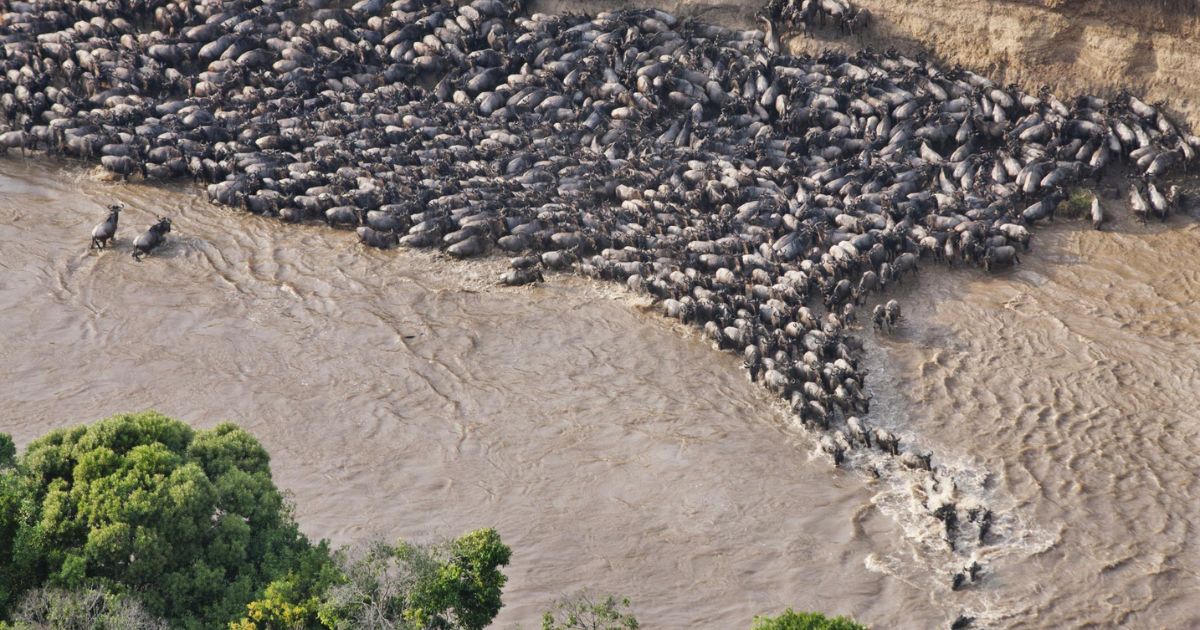
The Great Migration is one of the greatest wildlife shows on Earth. More than a million wildebeest, along with zebras and gazelles, travel in a huge circle between Tanzania’s Serengeti and Kenya’s Maasai Mara in search of fresh grass and water. If the migration is your main goal, timing your visit correctly is very important.
When Does the Great Migration Arrive in Maasai Mara?
The first herds usually enter the Mara from the Serengeti around July. By August, large numbers are spread across the reserve. The herds stay until about October, and sometimes into early November, depending on the rains and the grass.
Best Months for Mara River Crossings.
The famous Mara River crossings take place mainly from late July to September. Herds gather on the banks, wait for the right moment and then rush into the water in dramatic fashion. Crocodiles, lions and other predators make every crossing a real-life drama. Crossings cannot be predicted to the hour, so plan at least three nights in the Mara to improve your chances.
When Does the Migration Leave?
As the short rains begin in October and November, the herds slowly move back south to the Serengeti. You may still see large groups in early November, but numbers drop quickly after that.
Calving Season: A Different Migration Experience.
Between January and March, the herds are in the southern Serengeti, where thousands of calves are born. This is not a Maasai Mara event. If you want to see both sides of the migration, you can combine a Kenya safari with a Tanzania safari. Our team at www.masaiafricasafaris.com can help you plan a cross-border trip.
Best Time to See the Big Five in Maasai Mara.
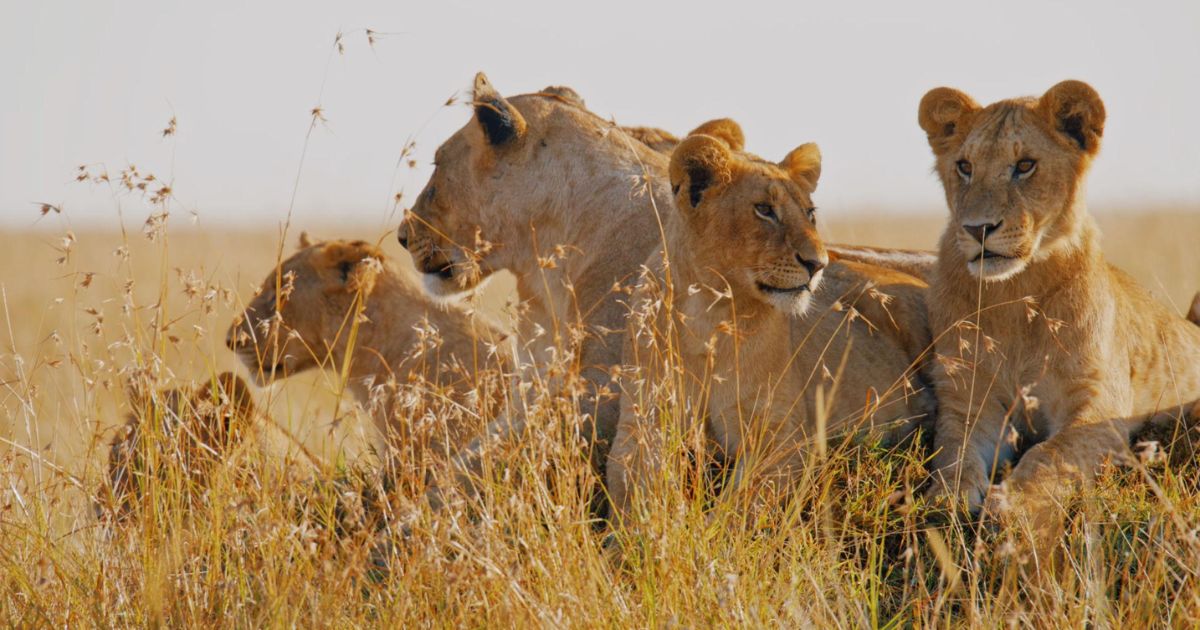
The Big Five are the lion, leopard, elephant, buffalo and rhino. Maasai Mara is one of the best places in Africa to see them. All five live here all year, so you can search for them in any month. Still, some periods give you better odds.
- Lions: Easy to see year-round. The Mara has some of the highest lion numbers in Africa, and during the migration they hunt daily.
- Leopards: Best seen in June to October, when the grass is thin. Look for them in riverside trees and rocky areas.
- Elephants: Seen in every season. Large family herds are common from January to March and from June to October.
- Buffalo: Found in big herds throughout the year. They are easiest to spot near water in the dry season.
- Black rhinos: The rarest of the five. Sightings are most likely in the dry season, especially in the Mara Triangle and the private conservancies where rangers track them.
The short answer is that July to October is the best time to see the Big Five in Maasai Mara. The dry weather, short grass and busy waterholes make animals easier to find.
Best Time for Wildlife Viewing and Game Drives.
Every month offers good Maasai Mara wildlife viewing, but the dry months from June to October are the strongest. Animals gather near the Mara and Talek rivers, and predators follow the herds. You can also see cheetahs, hyenas, giraffes, zebras, hippos, crocodiles and many bird species.
In the green season, the experience is different but just as rewarding. Newborn animals appear, birdlife is at its best and the light is perfect for photography. For the best results at any time of year, join game drives early in the morning and late in the afternoon, when animals are most active. A sunrise hot air balloon safari is also a wonderful way to see the Mara from above.
Month-by-Month Guide to Visiting Maasai Mara.
- January: Dry, warm and quiet. Great for predators and resident wildlife.
- February: Excellent weather and good game viewing with few crowds.
- March: Hot at first, with rain starting late in the month. Good value for travellers.
- April: Heavy rains and lush scenery. Lowest rates, but some camps close.
- May: Still wet, very green and peaceful. Good for budget-friendly safaris.
- June: Dry season begins and wildlife viewing improves. Early migration herds may appear at the end of the month.
- July: The migration arrives and the first river crossings begin. Book early.
- August: Peak migration and busiest month. Excellent crossings and Big Five sightings.
- September: One of the best months overall, with strong crossings and dry weather.
- October: Great game viewing as herds begin to head south. Slightly fewer visitors.
- November: Short rains start, crowds fade and the landscape turns green.
- December: Festive season with lush plains, good birdlife and warm days.
Best Time to Visit Maasai Mara by Type of Traveller.
The right month is different for every traveller. Use this list to match your trip to your goals:
- First-time safari visitors: July to October for the widest range of sightings.
- Photographers: August to September for river crossings, or November to December for dramatic skies and green backdrops.
- Families with children: January to March or June, when the weather is pleasant and the crowds are smaller.
- Honeymooners: June to October or January to February, with private conservancy stays and romantic bush dinners.
- Budget travellers: April, May and early November, when low-season offers are common.
Peak Season vs Low Season in Maasai Mara.
1. Peak Season (July to October).
- Pros: Great Migration, Mara River crossings, dry roads and excellent Big Five sightings.
- Cons: More vehicles at popular sightings, higher accommodation rates and a need to book months ahead.
2. Low Season (April to May and November).
- Pros: Fewer crowds, lower rates, green scenery and great birdlife.
- Cons: Rain showers, muddy roads and some camps closing in April and May.
If you want the best balance, consider late June, early July or October. These shoulder months give you good wildlife with fewer visitors.
How Early Should You Book a Maasai Mara Safari?
For July to October, book six to twelve months ahead. The best camps and lodges, especially those near the Mara River and in the conservancies, sell out early. For the rest of the year, three to four months is usually enough. Booking early also gives you better choice, smoother flight or road arrangements and more time to customise your trip. You can get a quote and itinerary ideas at www.masaiafricasafaris.com.
Where to Stay: Maasai Mara National Reserve vs Private Conservancies.
Where you stay can be just as important as when you go. Maasai Mara National Reserve is the classic choice, with the Mara River and the main migration areas. The surrounding private conservancies, such as Mara North, Naboisho, Olare Motorogi and Ol Kinyei, offer a quieter experience. They limit the number of vehicles, allow night drives and walking safaris, and give you a closer, more private feel.
Many travellers combine both. For example, you can stay near the river for the migration and then move to a conservancy for relaxed predator viewing. A good safari planner will match your camp to your travel dates and budget.
Tips to Get the Most Out of Your Maasai Mara Safari.
- Stay at least three nights. This gives you time for several game drives and a better chance of seeing a river crossing.
- Choose the right camp location. Camps close to the Mara River work best for the migration.
- Hire an experienced guide. A skilled driver-guide knows where the herds and predators are.
- Pack for changing weather. Bring layers, a warm jacket for early mornings, a hat and sunscreen.
- Carry good binoculars and a camera. A zoom lens makes a big difference.
- Consider flying. A short flight from Nairobi saves time, while the road trip lets you see more of Kenya.
- Be flexible. Nature does not follow a schedule, so patience is rewarded.
Frequently Asked Questions About the Best Time to Visit Maasai Mara.
1. What is the best time to visit Maasai Mara?
The best time to visit Maasai Mara is from July to October. The weather is dry, the Great Migration is in the reserve and the Big Five are easy to find. For a perfect mix of wildlife and fewer crowds, aim for late June or October.
2. When is the Great Migration in Maasai Mara?
The Great Migration is in the Mara from about July to October. River crossings are strongest from late July to September, although the exact timing changes with the rains each year.
3. Is it possible to see the Big Five all year round?
Yes. Lions, leopards, elephants, buffalo and black rhinos live in the Mara throughout the year. The dry season, from June to October, gives you the best chance because animals are easier to see.
4. What is the cheapest time to visit Maasai Mara?
April and May are usually the cheapest months because of the long rains. Early November can also offer good value. Contact www.masaiafricasafaris.com for current offers and custom quotes.
5. Is Maasai Mara worth visiting in the rainy season?
Yes. The scenery is green, the crowds are small and wildlife is still plentiful. Just expect some muddy roads and bring a rain jacket. Some camps close in April and May, so plan ahead.
6. How many days do I need in Maasai Mara?
We recommend three to four days. This gives you enough time for morning and evening game drives, a chance to see a river crossing and time to relax at camp.
7. Which month is best for Mara River crossings?
August and September are the best months. Late July and early October can also be good, but crossings depend on the herds and the water levels.
8. Can I see the Great Migration in January or February?
Not in the Maasai Mara. In those months, the herds are in the southern Serengeti for calving season. You can still enjoy excellent predator and resident wildlife viewing in the Mara.
9. What should I pack for a Maasai Mara safari?
Pack light neutral-coloured clothes, a warm fleece, a rain jacket, a hat, sunglasses, sunscreen, insect repellent, binoculars and a camera. Comfortable closed shoes are also useful.
10. How do I book a Maasai Mara safari?
Choose your travel dates, decide on your budget and contact a trusted safari company. At www.masaiafricasafaris.com, our team will design a custom itinerary and handle the lodges, transport and park arrangements for you.
Conclusion: Choose the Best Time to Visit Maasai Mara for Your Dream Safari.
There is no wrong time to enjoy Maasai Mara, but there is a best time for what you want to see. July to October is perfect for the Great Migration, dramatic river crossings and excellent Big Five sightings. January to March and November offer quiet plains and great value, while April and May bring lush scenery and peaceful game drives. Whichever month you choose, careful planning makes all the difference.
Do not leave your safari to chance. Let the experts at www.masaiafricasafaris.com match your dates, interests and budget to the perfect Maasai Mara safari. Contact us today and start planning your unforgettable adventure.