

Have you ever dreamed of witnessing the greatest wildlife spectacle on earth? A Masai Mara Safari from Nairobi is the ultimate adventure for any traveler looking to experience the magic of the African savannah. Whether it is your first time visiting Africa or you are a seasoned explorer returning for more, this iconic reserve never disappoints. To start crafting your dream itinerary with local experts today, visit www.masaiafricasafaris.com. In this comprehensive guide, we will cover everything you need to know about driving routes, domestic flights, flexible costs and the best itineraries to ensure your trip is perfect.
Why the Masai Mara is Africa’s Premier Destination.
The Masai Mara National Reserve is globally recognized as a top-tier wildlife destination. Located in southwestern Kenya, it forms a massive, thriving ecosystem alongside Tanzania’s Serengeti. What makes the Mara so special is its incredible density of animals. You do not have to drive for hours on end just to see a single lion. Here, wildlife is abundant, active and accessible year-round.
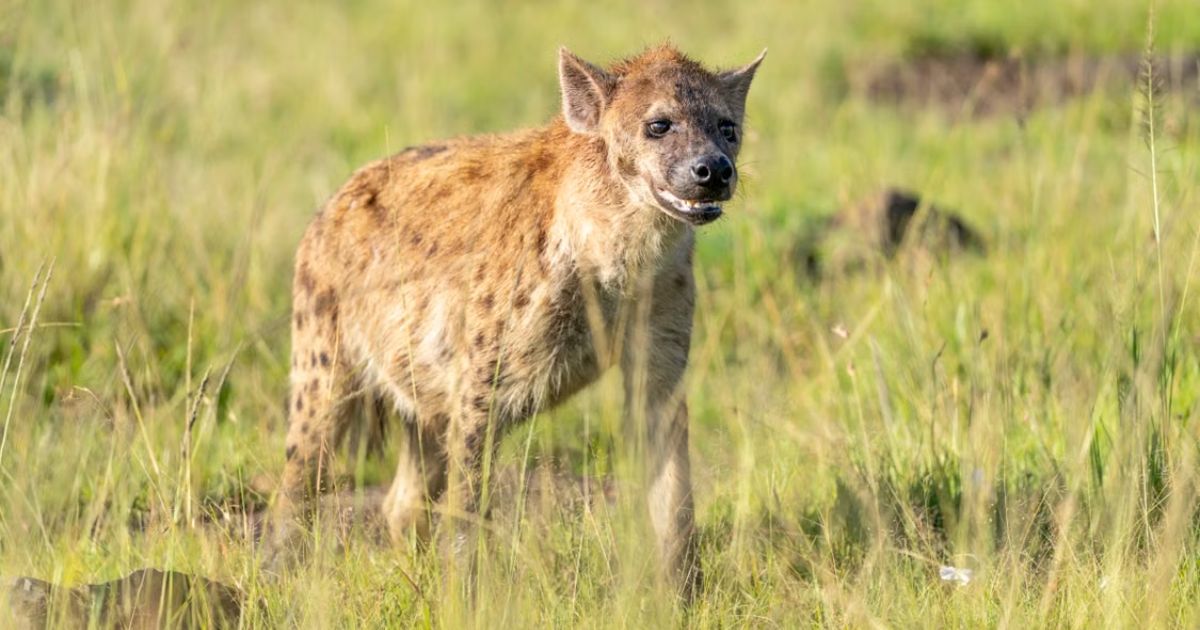
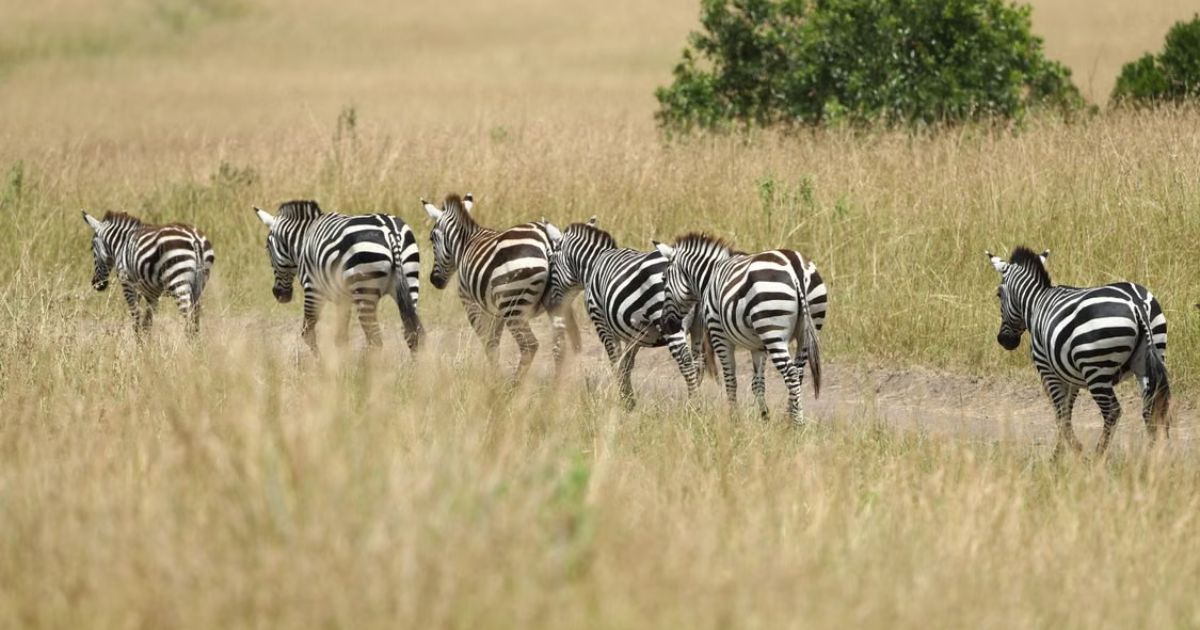
When you book a Kenya wildlife tour, the main goal for many is spotting the famous Big Five: lions, leopards, rhinos, elephants and Cape buffaloes. The open, grassy plains of the Mara make it one of the best places in the world to see big cats hunting in their natural habitat. Beyond the apex predators, the park is home to graceful giraffes, vast herds of zebras, wallowing hippos, massive crocodiles and hundreds of beautiful bird species.
How to Get There: Driving vs. Flying.
One of the most important decisions you will make when planning a Masai Mara Safari from Nairobi is how to travel. The reserve is located about 270 kilometers from Kenya’s capital city. You have two main options to choose from: taking a scenic road trip or catching a quick domestic flight.
Option 1: The Scenic Road Trip (Driving).
Traveling by road is the most popular and cost-effective way to reach the Mara. The drive typically takes between five to six hours, depending on traffic and the specific location of your safari camp. Your journey begins by leaving the bustling streets of Nairobi and heading west towards the Great Rift Valley.
About an hour into the drive, you will stop at the Great Rift Valley viewpoint in Mai Mahiu. This is a fantastic photo opportunity where you can look down at the massive, sweeping escarpment and buy handmade Kenyan souvenirs. From there, the tarmac road continues down to Narok town, which is the cultural gateway to Maasai land.
Narok is the perfect place to stretch your legs, use the restrooms, and grab a quick snack before the final leg of the journey. After passing Narok, you will begin the final stretch toward the reserve gates, such as Sekenani, Talek or Oloolaimutia. Keep in mind that the last section of the road is unpaved and can be quite bumpy. This is why traveling in a specialized 4×4 safari Land Cruiser is highly recommended for maximum comfort and durability.
Option 2: The Quick Fly-In Safari (Flying).
If you want to maximize your time in the bush and avoid a long car ride, flying is an excellent, premium choice. Flights depart from Nairobi’s Wilson Airport and take just 45 to 60 minutes to reach the reserve. Trusted domestic airlines like Safarilink and AirKenya offer daily scheduled flights in comfortable light aircraft.
The flight itself is a breathtaking experience. You get an incredible aerial view of the Great Rift Valley, ancient volcanic craters and the vast plains below. You will land at one of the several airstrips located inside or just outside the reserve, such as Keekorok, Ol Kiombo or the Serena airstrip. Upon landing, a dedicated guide from your camp will pick you up, meaning your first game drive starts the minute you step off the plane.
Navigating Safari Costs and Budgets.
When budgeting for your trip, it is vital to understand how pricing works in the tourism industry. If you are searching online, you might notice that different operators offer vastly different prices. NOTE: Be careful with price figures because they change over the years. Because fuel prices, government park entry fees and seasonal lodge rates fluctuate regularly, stating fixed prices can be very misleading and inaccurate.
The overall cost of your safari will depend on several flexible variables:
- The Season: Traveling during the peak migration months (July to October) is generally more premium than visiting during the low or green season (April to May).
- Mode of Transport: Flying is a premium add-on compared to a standard road package.
- Accommodation Level: Staying in a basic tented camp is much more affordable than booking a luxury, five-star suite in a private conservancy.
Rather than relying on outdated price lists found on older websites, the best approach is to request a custom quote. For accurate, up-to-date estimates that match your specific travel dates and budget, reach out to the experts at www.masaiafricasafaris.com. They will build a transparent package that offers you the best value for your money.
The Great Wildebeest Migration Explained.
No guide to the Mara is complete without mentioning the Great Wildebeest Migration. Often called the greatest wildlife show on earth, this annual natural event sees over 1.5 million wildebeests, alongside hundreds of thousands of zebras and gazelles, moving in search of fresh pasture and water.
The absolute highlight of the migration is the dramatic Mara River crossing. Animals must bravely plunge into the crocodile-infested waters while predators like lions and leopards wait eagerly on the opposite banks. If you want to witness this raw, thrilling display of nature, the best time to visit is between July and October. However, it is important to remember that the Mara is a fantastic year-round destination. Even outside the migration season, the resident wildlife population is massive and you will still experience phenomenal game viewing.
What to Expect on 4×4 Safari Game Drives.
The core of any Kenya safari package is the game drive. Most itineraries include an early morning drive and a late afternoon drive. This schedule is designed because the animals are most active during the cooler parts of the day.
Morning game drives usually start just before sunrise. This is the perfect time to catch big cats finishing their nocturnal hunts and returning to rest. The soft, golden light at this hour is also spectacular for photography. After an exciting morning, you will return to your lodge for a hearty breakfast before relaxing during the midday heat.
Afternoon game drives begin around 3:30 PM or 4:00 PM and run until sunset. You will explore different areas of the park, perhaps visiting a hippo pool or tracking a leopard that was spotted sleeping in a tree earlier in the day. Your experienced driver-guide will use their deep knowledge of the terrain and animal behavior to ensure you get the absolute best sightings possible.
Where to Stay: Accommodation Options.
The Masai Mara offers a wide range of accommodation to suit every travel style. Knowing the difference between the available options will help you make the right choice for your comfort and budget.
- Budget Tented Camps: Ideal for adventurous travelers who want to connect closely with nature while keeping costs low. You will sleep in basic tents with shared or simple facilities, usually located just outside the main reserve gates.
- Mid-Range Tented Camps: This is a very popular option for families and couples. These camps offer large, canvas tents with proper comfortable beds, en-suite bathrooms and hot showers. They give you the authentic “out of Africa” feel without sacrificing basic modern comforts.
- Luxury Safari Lodges: If you want total pampering, luxury lodges offer permanent structures, swimming pools, spa services and gourmet dining. Many of these luxury safari camps in Masai Mara are located inside private conservancies for added exclusivity.
Staying in a private conservancy bordering the main reserve offers unique perks. While you can still drive into the main park to see the river crossings, conservancies allow for off-road driving, guided walking safaris and night game drives—activities that are strictly prohibited inside the main national reserve.
Top Sample Itineraries for Your Trip.
To help you plan, here are some of the most popular structures for a Masai Mara Safari from Nairobi. Remember, these timelines can all be fully customized to fit your schedule.
The 3-Day Express Safari.
- Day 1: Depart Nairobi early in the morning by road or air. Arrive in the Mara in time for a hot lunch. Head out for your first exciting afternoon game drive.
- Day 2: A full day dedicated to exploring the vast plains. You can carry a packed picnic lunch from your lodge so you do not have to return to camp, maximizing your time tracking the Big Five.
- Day 3: Enjoy a final early morning game drive. After breakfast, check out and begin your journey back to Nairobi, arriving in the late afternoon.
The 4-Day Classic Explorer.
- Day 1 & Day 2: Follow the same structure as the 3-day trip, settling smoothly into the relaxing rhythm of the bush.
- Day 3: Use this extra day to visit a traditional Maasai village to learn about their fascinating culture and heritage, or book an unforgettable hot air balloon safari over the plains at sunrise.
- Day 4: Final morning game drive and return to Nairobi.
The 5-Day Hybrid Safari.
- Day 1 to Day 4: Spend four glorious days deep in the reserve. The extra time allows you to explore completely different regions, such as the Mara Triangle and the eastern plains, drastically increasing your chances of seeing rare wildlife like the black rhino.
- Day 5: Fly back to Nairobi. A hybrid safari (driving one way to see the countryside and flying back to save time) is a great way to experience the road trip while avoiding travel fatigue on the way home.
Essential Packing Guide for your Masai Mara safari from Nairobi.
Packing correctly for a safari is crucial for your comfort. The weather in the Mara can be quite chilly in the early mornings and very hot by midday. The best approach is to wear layers that you can easily take off as the sun rises.
Bring comfortable, breathable clothing in neutral colors like khaki, olive green or brown. Avoid bright, flashy colors that might startle the animals and skip dark blue or black clothing, as these specific colors can attract biting tsetse flies. You will also need a warm fleece jacket for the morning game drives, a good wide-brimmed sun hat and strong sunscreen.
Do not forget your camera equipment! While a modern smartphone is great for sweeping landscapes, a digital camera with a good zoom lens is essential for close-up wildlife shots. Binoculars are also highly recommended so you do not miss any action happening far off in the distance.
Conclusion: Masai Mara Safari from Nairobi.
A Masai Mara Safari from Nairobi is more than just a simple holiday; it is a life-changing journey into the very heart of wild Africa. From the breathtaking drive through the Great Rift Valley to the unmatched thrill of witnessing a lion hunt on the open plains, every single moment is packed with wonder and excitement. While planning involves making important decisions about transport, timing and accommodations, the reward is a magical experience you will cherish forever. Do not leave your dream vacation to chance or guesswork. For expert guidance, seamless logistics and unforgettable memories, book your adventure with www.masaiafricasafaris.com today.
10 Frequently Asked Questions (FAQs) About Masai Mara Safari from Nairobi.
1. How long does it take to get to the Masai Mara from Nairobi?
If you choose to drive, the journey takes about 5 to 6 hours depending on the road conditions and traffic. If you choose to fly directly from Wilson Airport, the flight takes roughly 45 to 60 minutes.
2. How much does a Masai Mara Safari from Nairobi cost?
The total cost depends entirely on your travel dates, accommodation level and transport method. Because park fees and lodge rates fluctuate over the years, we avoid providing fixed price figures. Contact www.masaiafricasafaris.com for a customized, up-to-date quote that fits your exact budget.
3. When is the best time to see the Wildebeest Migration?
The Great Wildebeest Migration typically arrives in the Masai Mara from the Serengeti around July and stays until late October. This specific window is the absolute best time to witness the dramatic river crossings.
4. What is the difference between the National Reserve and the Conservancies?
The main National Reserve is managed by the local government and has strict rules (for example, no off-roading and no night drives). The surrounding conservancies are privately managed, allowing for fewer tourist crowds, guided walking safaris and thrilling night game drives.
5. Do I really need a 4×4 vehicle for the road trip?
Yes, it is highly recommended. While the highway to Narok is fully paved, the final stretch to the reserve gates is rough, dusty and uneven. A 4×4 safari Land Cruiser provides the necessary comfort, height and durability.
6. Can I do a day trip to the Masai Mara from Nairobi?
While a day trip is technically possible if you take early and late flights, it is heavily discouraged. You would spend most of your time traveling rather than exploring. A minimum of 3 days and 2 nights is suggested to truly enjoy the game drives.
7. Are young children allowed on safari?
Absolutely! A Kenya wildlife tour is a fantastic and highly educational family holiday. Many mid-range and luxury lodges offer family-friendly interconnecting tents, children’s menus and special nature activities tailored specifically for younger guests.
8. What exactly are the Big Five?
The Big Five refer to the African lion, leopard, elephant, rhino and Cape buffalo. The Masai Mara is famous worldwide for offering excellent, consistent opportunities to spot all five of these iconic animals in a single trip.
9. Is it safe to go on a safari in Kenya?
Yes, it is incredibly safe. You will always be accompanied by trained, professional driver-guides who understand animal behavior. The camps and lodges also have strict safety protocols and Maasai security personnel to ensure guests are protected at all times.
10. How do I book my Masai Mara safari?
Booking is easy and stress-free when you work with trusted local experts. You can explore different itineraries, ask detailed questions and secure your reservations by visiting www.masaiafricasafaris.com today.