

Dreaming of an unforgettable African adventure? A Kenya Safari is the ultimate wildlife experience, bringing you face-to-face with the iconic Big Five and the breathtaking Great Wildebeest Migration. As the historic birthplace of the traditional African holiday, this beautiful country offers unmatched opportunities to witness nature at its most thrilling. Whether you are exploring the endless golden plains of the Masai Mara or admiring vast herds of elephants against the stunning backdrop of Mount Kilimanjaro, www.masaiafricasafaris.com is here to help you plan the perfect, tailor-made trip.
Why Choose a Kenya Safari?
Kenya is globally recognized as the premier destination for wildlife enthusiasts and nature lovers. The country boasts a diverse landscape that ranges from sweeping savannahs and dense forests to sparkling lakes and snow-capped mountains. This incredible geographical variety creates habitats for an astonishing array of animals and birdlife, ensuring that every game drive feels like a scene from a wildlife documentary.
Booking African safari packages in Kenya means immersing yourself in raw wilderness while enjoying world-class hospitality. The country features excellent infrastructure, highly trained professional guides and a wide variety of accommodations ranging from budget-friendly campsites to ultra-luxury safari lodges. Furthermore, Kenya is deeply committed to wildlife conservation, meaning your visit directly supports the protection of endangered species and empowers local communities.
If you are looking for an accessible and rewarding travel experience, Kenya delivers on all fronts. You can easily fly into Nairobi, the vibrant capital city and find yourself surrounded by wildlife within just a few hours. In fact, you can even start your adventure immediately at Nairobi National Park, the only wildlife sanctuary in the world located within a bustling capital city.
Top National Parks and Safari Destinations.
Kenya is home to dozens of national parks, reserves, and private conservancies. Choosing the right destinations is crucial for crafting the perfect itinerary. Here are the top parks you must include in your travel plans:
1. Masai Mara National Reserve.
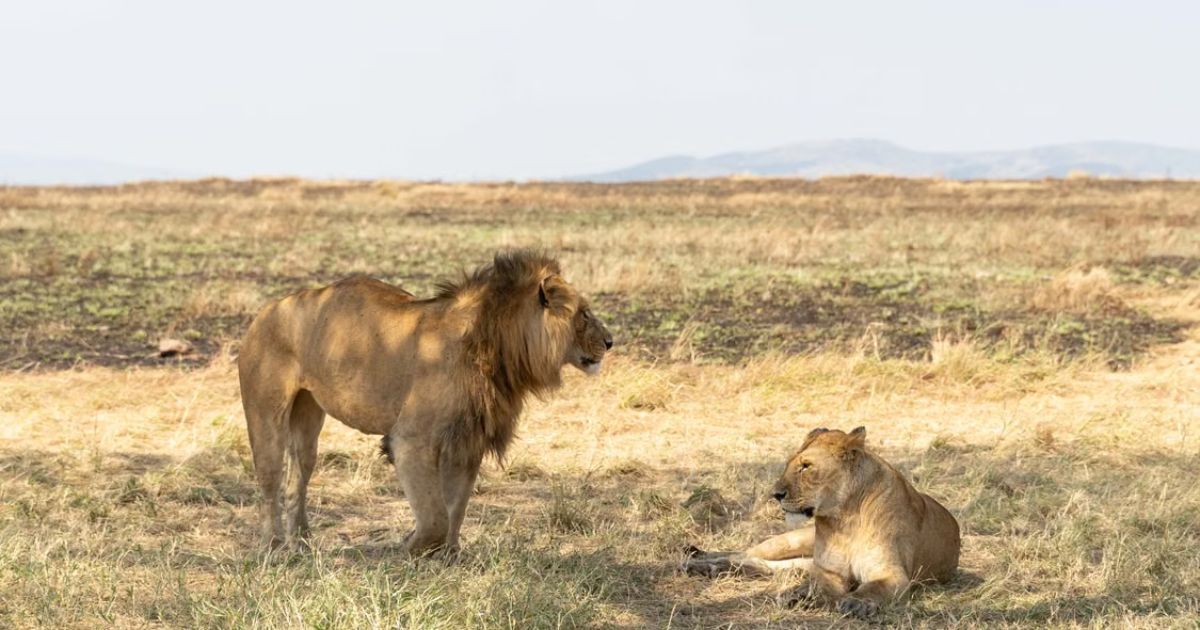
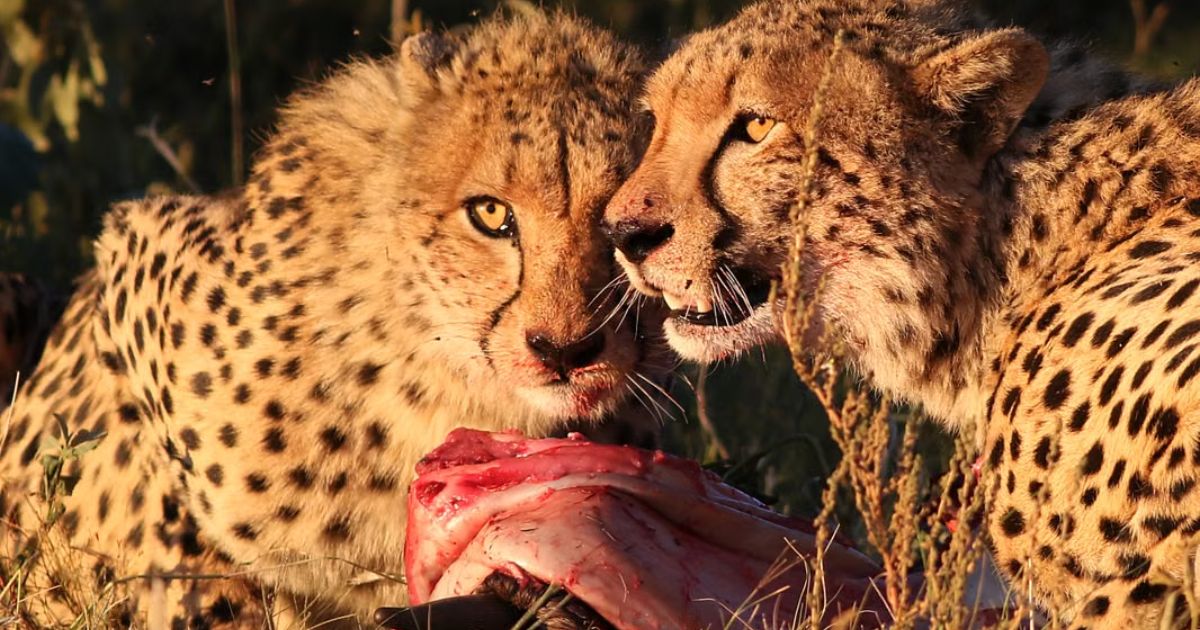
The Masai Mara is undoubtedly the crown jewel of any Kenya safari. Famous for its exceptional population of big cats—including lions, leopards and cheetahs—the reserve offers spectacular game viewing year-round. However, it is most famous for hosting the Great Wildebeest Migration. Millions of wildebeests, zebras and gazelles cross the treacherous, crocodile-infested Mara River, creating one of the most dramatic wildlife spectacles on earth.
2. Amboseli National Park.
If you want to see massive herds of free-ranging elephants, Amboseli National Park is the place to be. The park is renowned for its vast elephant population and offers the absolute best views of Mount Kilimanjaro, Africa’s highest peak. The contrast of the dusty, dry lakebed, the lush swamps fed by mountain runoff and the majestic snow-capped mountain makes Amboseli a paradise for wildlife photographers.
3. Lake Nakuru National Park.
Located in the Great Rift Valley, Lake Nakuru was traditionally famous for its massive flocks of bright pink flamingos. While rising water levels have caused some flamingos to migrate to other lakes, the park remains a vital sanctuary for both black and white rhinos. It is also one of the best places in the country to spot the elusive leopard resting in the branches of the yellow fever trees.
4. Tsavo East and Tsavo West National Parks.
Combined, Tsavo East and Tsavo West form one of the largest wildlife sanctuaries in the world. This vast, rugged wilderness is famous for its “red elephants,” which get their unique color from dusting themselves in the region’s rich red volcanic soil. Tsavo offers a more remote and less crowded experience, featuring striking landscapes like the Yatta Plateau and the crystal-clear Mzima Springs.
5. Samburu National Reserve.
Located in the arid northern region of Kenya, Samburu offers a completely different safari experience. The lifeline of this dry reserve is the Ewaso Ng’iro River, which draws a unique array of wildlife. Samburu is famous for the “Special Five”—rare species you won’t easily find elsewhere in Kenya. These include the Grevy’s zebra, reticulated giraffe, Somali ostrich, gerenuk and the beisa oryx.
The Spectacular Wildlife Experience.
A major reason why a Kenya safari ranks so highly on traveler bucket lists is the sheer volume and diversity of the animals. No matter which park you visit, the wildlife encounters are bound to leave you breathless.
- The Big Five: Originally a term used by early hunters to describe the most dangerous animals to track on foot, the Big Five now represents the ultimate wildlife sighting goal. Kenya is one of the few places on earth where you can successfully spot all five: the African lion, the leopard, the rhinoceros, the African elephant and the Cape buffalo. Private conservancies like Ol Pejeta and major parks like the Masai Mara offer excellent odds of seeing them all.
- The Great Wildebeest Migration: Often dubbed the “Eighth Wonder of the World,” this annual circular movement of over 1.5 million animals is driven by the search for fresh grazing pastures and water. Witnessing the chaotic, thundering river crossings is an emotional and thrilling experience. While the timing relies on rainfall, the herds generally arrive in the Masai Mara around July and stay through October.
- Birdwatching Paradise: Kenya is not just about mammals; it is a globally renowned birding destination. With over 1,000 recorded bird species, the country offers incredible sightings ranging from massive ostriches and powerful martial eagles to tiny, colorful sunbirds. The Rift Valley lakes, in particular, are teeming with pelicans, kingfishers and various migratory birds that arrive during the rainy seasons.
Best Time to Visit Kenya for a Safari.
Understanding Kenya’s weather patterns is essential for planning a successful trip. Because the country sits on the equator, it does not experience traditional summer and winter. Instead, the seasons are dictated by rainfall.
- The Peak Dry Season (July to October): This is widely considered the best time to visit Kenya. The weather is cool and dry, making it easier to spot animals as vegetation thins out and wildlife congregates around permanent water sources. Most importantly, this season coincides with the Great Migration in the Masai Mara. Because this is the most popular time to travel, parks are busier and you should book your trip with www.masaiafricasafaris.com well in advance.
- The Short Dry Season (January to February): This is a fantastic time for a safari. The weather is hot and mostly dry, offering excellent visibility for game viewing. It is also the calving season for many plains game, which naturally attracts high predator activity. You will experience fewer crowds compared to the mid-year peak season, making it a highly rewarding time to explore the savannah.
- The Long Rains (March to May): These months bring heavy rainfall, transforming the dry parks into incredibly lush, green landscapes. While the rain can make some dirt roads muddy and challenging to navigate, this season has distinct advantages. It is a brilliant time for photography, baby animal sightings, and birdwatching. Furthermore, it is the best time for budget safari tours, as lodges frequently offer significant off-season discounts.
- The Short Rains (November to December): During this period, the country experiences brief, refreshing afternoon showers. The dust settles, the grass begins to turn green and the skies are incredibly dramatic. It is a wonderful shoulder season to travel, offering a great balance between lower costs, reduced tourist numbers and excellent wildlife viewing.
Understanding Kenya Safari Costs.
One of the most common questions travelers have is regarding the Kenya safari cost. It is important to note that actual cost figures change over the years due to fluctuating government park fees, fuel prices and seasonal lodge rates. Therefore, instead of looking for fixed prices, it is better to understand the variables that dictate your overall budget.
The most significant factor influencing your cost is the level of accommodation. Budget safari tours often utilize basic dome tents in public campsites or modest budget lodges just outside the park gates. Mid-range options typically include comfortable tented camps with en-suite bathrooms and good amenities. On the other end of the spectrum, luxury safari lodges offer five-star opulence, private plunge pools, gourmet dining and exclusive locations within private conservancies.
Another cost variable is your choice of transportation. The traditional open-roof safari minivan is a popular and cost-effective option for many travelers. However, upgrading to a specialized 4×4 Safari Land Cruiser provides better suspension for rough roads, larger windows and a more robust off-road experience. Finally, the time of year heavily impacts the price; traveling during the peak migration months will always be more expensive than visiting during the rainy green season. For the most accurate, up-to-date quotes tailored to your exact needs, it is always best to consult directly with the experts at www.masaiafricasafaris.com.
Top Recommended Safari Itineraries.
Creating the right itinerary depends on your available time, budget and specific wildlife interests. Here are a few popular route structures that ensure a highly rewarding adventure:
- 3-Day Masai Mara Express: Perfect for travelers short on time. You fly or drive directly from Nairobi to the Masai Mara for three days of intensive game drives. This itinerary maximizes your chances of seeing big cats and the Great Migration without requiring a long time commitment.
- 6-Day Rift Valley & Mara Adventure: A well-rounded mid-length tour. You will typically start with birdwatching and rhino spotting at Lake Nakuru, take a relaxing boat ride on Lake Naivasha to see hippos and conclude with three thrilling days in the Masai Mara.
- 10-Day Ultimate Kenya Explorer: A comprehensive journey for true wildlife lovers. This route often begins in the arid north at Samburu to see the Special Five, moves down to Lake Nakuru, heads into the Masai Mara for premium predator viewing and finishes in Amboseli for iconic elephant and Mount Kilimanjaro scenery.
10 Frequently Asked Questions (FAQs) About a Kenya safari.
1. What is the best time to go on a Kenya safari?
The most popular time is during the peak dry season from July to October, which coincides with the Great Wildebeest Migration. However, January and February are also excellent for dry weather, fewer crowds and active predators.
2. How many days are ideal for an African safari in Kenya?
A minimum of 3 to 4 days is recommended just to properly experience the Masai Mara. However, an ideal safari lasts between 7 and 10 days, allowing you to comfortably visit multiple national parks with diverse landscapes and wildlife without feeling rushed.
3. Is a Kenya safari safe for families and young children?
Yes, Kenya is a very safe and family-friendly destination. Many luxury safari lodges and mid-range camps offer specialized family tents, children’s menus and engaging kids’ club activities led by local Maasai guides to teach them about the bush.
4. What should I pack for my Kenya safari tour?
Pack lightweight, breathable clothing in neutral colors like khaki, green and brown to blend into the environment. Bring a warm fleece or jacket for chilly early morning game drives, comfortable walking shoes, high-SPF sunscreen, a wide-brimmed hat, insect repellent and a good pair of binoculars.
5. How much does a Kenya safari cost on average?
Because prices fluctuate over the years based on park fees and seasonal lodge rates, it is difficult to give exact fixed figures. Costs depend entirely on your travel season, whether you choose budget camping or luxury lodges and the type of safari vehicle. Contact www.masaiafricasafaris.com for a customized and accurate quote.
6. When can I see the Great Wildebeest Migration in Kenya?
The massive herds usually cross the border from Tanzania into Kenya’s Masai Mara starting around July. They remain in the Mara grazing until late October before they begin their journey back south. August and September generally offer the highest concentration of animals.
7. Do I need a visa to visit Kenya?
Kenya has recently transitioned to an Electronic Travel Authorisation (eTA) system. Most international travelers must apply online for an eTA prior to their arrival in the country. It is a quick and straightforward digital process.
8. Are specific vaccinations required for a Kenya safari?
Travelers are generally advised to take anti-malaria medication and have routine vaccines up to date. A Yellow Fever vaccination certificate may be required depending on which countries you are traveling from or transiting through. Always consult your doctor or a travel clinic before departure.
9. What kind of safari vehicles are used for game drives?
Tour operators generally use two types of vehicles: custom-built safari minivans with pop-up roofs, which are cost-effective or rugged 4×4 Safari Land Cruisers. Land Cruisers are highly recommended for their superior comfort, durability on rough terrain and excellent viewing angles.
10. How do I book a reliable and customized safari?
The best way to guarantee a seamless, high-quality experience is to book through local experts who understand the terrain. You can easily view itineraries, ask questions and secure your booking by visiting www.masaiafricasafaris.com.
Conclusion: Kenya safari.
Embarking on a Kenya Safari is a truly transformative experience that stays with you long after you have returned home. From the thundering hooves of the Great Migration in the Masai Mara to the quiet majesty of elephants wandering beneath Mount Kilimanjaro, Kenya offers a wildlife adventure that simply cannot be matched.
By taking the time to understand the different national parks, the seasonal weather shifts and the variable pricing options, you can tailor a trip that perfectly fits your dreams and budget. Do not leave your once-in-a-lifetime holiday to chance. Partner with experienced local professionals who can craft the ultimate itinerary for you. Start planning your unforgettable African adventure today by reaching out to the experts at www.masaiafricasafaris.com.