

Ready for an unforgettable adventure just a short drive from Kenya’s capital? A Lake Nakuru Safari from Nairobi is one of the most rewarding wildlife experiences you can have in East Africa. Whether you are looking to spot endangered rhinos, marvel at pink flamingos or enjoy a scenic drive through the Great Rift Valley, this destination has it all. To start planning your dream getaway, visit www.masaiafricasafaris.com for expert-guided tours.
Why Choose a Lake Nakuru Safari from Nairobi?
Lake Nakuru National Park is a premier wildlife destination in Kenya. Located on the floor of the Great Rift Valley, this park offers a unique blend of spectacular landscapes and concentrated wildlife. Unlike the vast, open plains of the Masai Mara, Lake Nakuru is a compact, fenced sanctuary. This enclosed environment means that wildlife is dense, making game viewing highly efficient and rewarding.
For travelers with limited time in Kenya, a Lake Nakuru Safari from Nairobi is the perfect solution. You do not need to spend an entire day traveling to see the Big Five. Within a few hours of leaving the bustling city, you can be surrounded by acacia woodlands, grazing rhinos and shimmering alkaline waters. It is an ideal destination for family holidays, photography tours and quick weekend escapes.
How to Get from Nairobi to Lake Nakuru.
A major advantage of this safari is its accessibility. The distance from Nairobi to Lake Nakuru is approximately 160 kilometers (about 100 miles) northwest of the capital.
1. Traveling by Road.
Driving is the most popular and scenic way to reach the park. The journey typically takes 2.5 to 3 hours via the A104 highway. The road is well-tarmacked, making it a comfortable ride for most of the trip.
As you drive, you will pass through some of Kenya’s most breathtaking landscapes. A mandatory stopover is the Great Rift Valley Viewpoint. Here, you can stretch your legs, take stunning photos of the plunging valley and shop for local souvenirs. While a standard vehicle can make the trip to Nakuru town, a 4×4 safari vehicle is highly recommended once you enter the park to easily navigate the rugged dirt trails, especially during the rainy season.
2. Traveling by Air
If you prefer a quicker route, you can take a domestic flight from Wilson Airport in Nairobi to the Naishi Airstrip located inside Lake Nakuru National Park. The flight takes about 30 to 45 minutes and offers sweeping aerial views of the Rift Valley.
Wildlife to See on a Lake Nakuru Safari.
When you book a Lake Nakuru Safari from Nairobi with www.masaiafricasafaris.com, you are signing up for world-class wildlife viewing. The park is biologically diverse and serves as a vital sanctuary for several endangered species.
1. The Rhino Sanctuary.
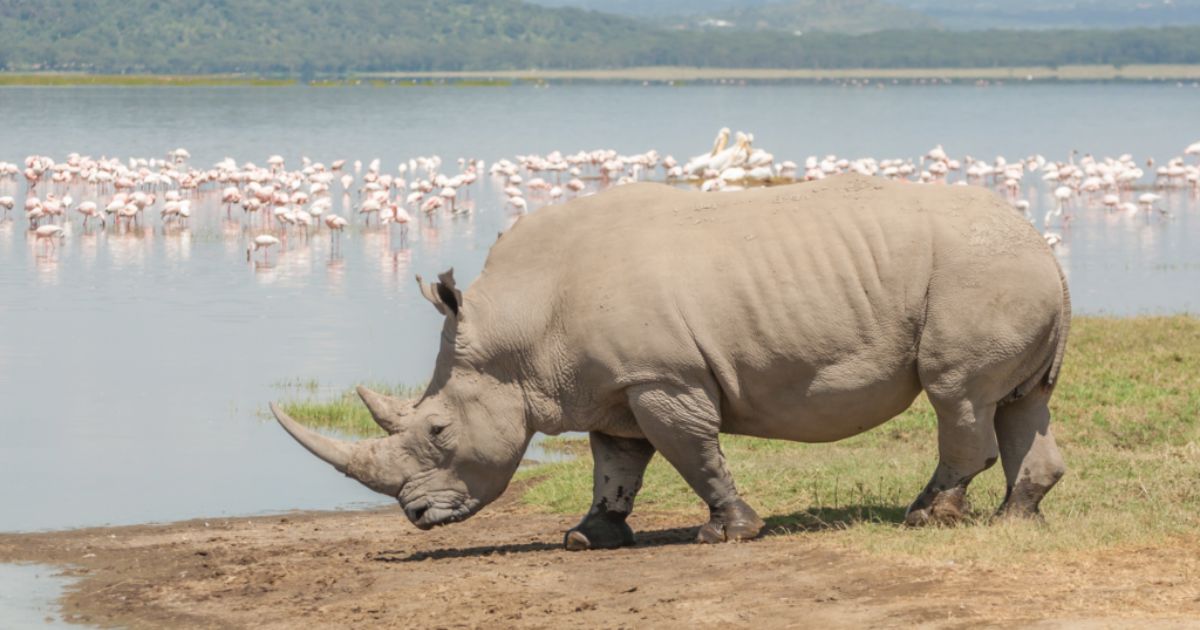
Lake Nakuru is arguably the best place in Kenya to see rhinos in the wild. The park was declared a rhino sanctuary in 1987 and is protected by a heavy electric fence.
- White Rhinos: These are commonly spotted grazing peacefully in the open grasslands near the lake shores. You have a very high chance of seeing them up close.
- Black Rhinos: More elusive and shy, black rhinos prefer the dense acacia bushes. Spotting one is a thrilling bonus to your game drive.
2. The Pink Flamingos and Birdlife.
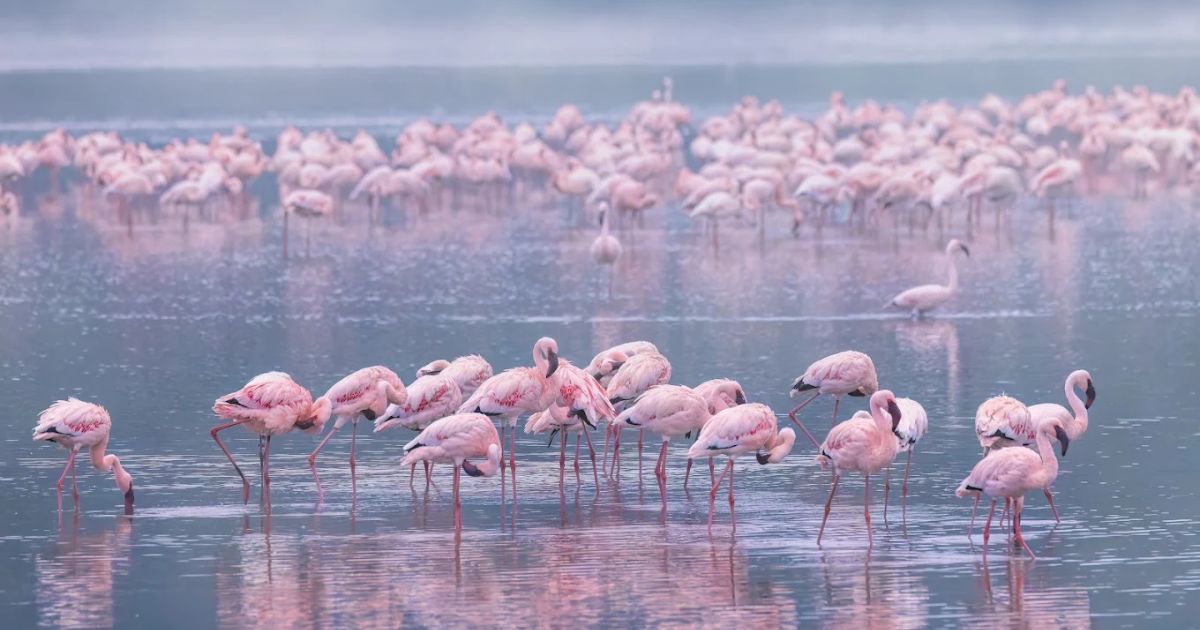
Historically, Lake Nakuru was famous for millions of lesser and greater flamingos that turned the lake’s shores a vibrant pink. While rising water levels have caused some flocks to migrate to nearby Lake Bogoria, Nakuru still hosts impressive numbers of these beautiful birds during specific seasons.
Beyond flamingos, the park is a birder’s paradise with over 450 recorded bird species. You can expect to see Great White Pelicans, African Fish Eagles, Marabou Storks, and Goliath Herons.
3. Rothschild’s Giraffes and Big Cats.
The park is heavily wooded on its western side, providing the perfect habitat for the endangered Rothschild’s giraffe. These tall, majestic animals are easily identified by their white “socks” and lack of spots on their lower legs.
Predators are also present. While elephants are absent from this park due to its fenced nature, you can easily spot lions resting on rocky outcrops and leopards draped over yellow fever tree branches. Buffaloes, zebras, waterbucks and baboons are also abundant.
Lake Nakuru Safari Packages from Nairobi.
There are several ways to experience this park depending on your schedule and budget. Here are the top package structures you can book through www.masaiafricasafaris.com:
1- Day Lake Nakuru Safari from Nairobi
Ideal for business travelers or those on a tight schedule.
- 06:00 AM: Depart Nairobi early to beat the morning traffic.
- 08:30 AM: Stop at the Great Rift Valley viewpoint.
- 09:30 AM: Arrive at Lake Nakuru National Park and begin a mid-morning game drive.
- 01:00 PM: Enjoy a hot picnic lunch at the scenic Baboon Cliff, offering panoramic views of the lake.
- 02:30 PM: Afternoon game drive searching for rhinos and leopards.
- 04:00 PM: Exit the park and drive back, arriving in Nairobi by 07:00 PM.
2-Day Lake Nakuru & Lake Naivasha Safari.
This package allows you to explore two Rift Valley lakes at a relaxed pace.
- Day 1: Drive from Nairobi to Lake Nakuru. Enjoy a full afternoon game drive and overnight at a luxury lodge or tented camp inside the park.
- Day 2: Morning game drive in Nakuru, followed by a short drive to Lake Naivasha. Enjoy a boat ride to see hippos and a walking safari at Crescent Island before returning to Nairobi.
4-Day Lake Nakuru & Masai Mara Safari.
The ultimate Kenya wildlife experience combining Nakuru’s rhinos with the Mara’s big cats.
- Day 1: Nairobi to Lake Nakuru. Afternoon game drive and overnight stay.
- Day 2: Depart Nakuru and drive south into the famous Masai Mara National Reserve. Evening game drive.
- Day 3: Full day exploring the Masai Mara plains in search of the Big Five and the Great Migration (seasonal).
- Day 4: Final morning game drive in the Mara before returning to Nairobi.
Best Time for a Lake Nakuru Safari.
Lake Nakuru National Park is a year-round destination, but timing your visit can enhance your experience.
- Dry Season (June to October, January to February): This is widely considered the best time for a Lake Nakuru Safari from Nairobi. The weather is sunny, and the roads are dry and easily navigable. Wildlife tends to congregate around the lake and remaining waterholes, making animals much easier to spot.
- Wet Season (March to May, November to December): The rains bring lush, green scenery and dramatic skies, perfect for photography. This is also the best time for bird watching, as migratory birds arrive in the park. However, some dirt tracks can become muddy, so a 4×4 vehicle is essential.
Lake Nakuru Park Fees and Safari Rules.
When planning your trip, it is important to factor in the park conservation fees charged by the Kenya Wildlife Service (KWS). Prices are subject to change, so always verify with your tour operator.
Currently, the fees are structured by residency:
- Non-Resident Adults: Paid in USD, typically ranging between $60 to $80 per day depending on the season.
- Non-Resident Children: Usually $20 to $35.
- Kenyan Citizens/Residents: Paid in Kenya Shillings at heavily discounted rates (usually Ksh 800 – Ksh 1000 for adults).
Important Park Rules:
- Do not feed the wildlife, especially the baboons at picnic sites.
- Stay inside your vehicle at all times unless you are at a designated viewpoint (like Lion Hill, Out of Africa Lookout or Baboon Cliff).
- Keep strictly to the marked tracks to avoid damaging the fragile ecosystem.
Accommodation Options: Where to Stay.
Whether you want five-star luxury or a budget-friendly outdoor experience, Lake Nakuru has excellent accommodation choices.
1. Luxury Lodges.
- Sarova Lion Hill Game Lodge: Located inside the park, this lodge offers luxurious rooms with panoramic views of the lake, a beautiful swimming pool and world-class dining.
- The Cliff: A boutique, high-end luxury camp perched at the top of a cliff, offering 180-degree views of the park.
2. Mid-Range Camps.
- Lake Nakuru Lodge: Situated in the heart of the park, offering comfortable rooms, beautiful gardens and excellent hospitality.
- Flamingo Hill Tented Camp: Located just outside the main gate, offering an authentic canvas-tent safari experience with modern amenities.
3. Budget and Camping.
For adventurous travelers, the Kenya Wildlife Service operates several public and special campsites inside the park, such as Makalia Campsite and Rhino Campsite. You must bring your own gear and supplies.
What to Pack for a Lake Nakuru Safari.
To make the most of your Lake Nakuru Safari from Nairobi, pack smart. Here is a quick checklist:
- Light, neutral-colored clothing: Khaki, green and beige blend into the environment.
- Warm layers: The Rift Valley can be quite chilly in the early mornings and evenings. A fleece jacket is highly recommended.
- Sun protection: Sunscreen, a wide-brimmed hat and polarized sunglasses.
- Camera and Binoculars: Essential for spotting distant rhinos and identifying the hundreds of bird species.
- Insect repellent: To keep mosquitoes and bugs at bay during the evening.
- Reusable water bottle: Stay hydrated during your game drives.
Conclusion.
A Lake Nakuru Safari from Nairobi is an absolute must-do for anyone visiting Kenya. From its easy accessibility and stunning Rift Valley scenery to its dense populations of rhinos, giraffes, and vibrant birdlife, the park delivers a spectacular wildlife experience without the long travel times of remote reserves. Whether you have just one day to spare or want to combine it with a larger Masai Mara adventure, Lake Nakuru guarantees memories that will last a lifetime.
Do not wait to experience the magic of the wild. Start planning your customized itinerary today and ensure you get the best guides and vehicles available. Visit www.masaiafricasafaris.com to book your Lake Nakuru adventure now!
10 Frequently Asked Questions (FAQs).
1. How long does a Lake Nakuru Safari from Nairobi take?
The drive from Nairobi to Lake Nakuru takes about 2.5 to 3 hours by road. You can do a full-day trip, but a 2-day or 3-day package booked via www.masaiafricasafaris.com offers a more relaxed experience.
2. Are there lions in Lake Nakuru National Park?
Yes, Lake Nakuru is home to a healthy population of lions. They are frequently seen resting in the grasslands or perched on rocky viewpoints.
3. Will I definitely see flamingos on a Lake Nakuru Safari from Nairobi?
Flamingo populations fluctuate based on the lake’s water levels and algae concentration. While they are not always present in the millions like in the past, you will still likely see significant flocks, along with pelicans and hundreds of other bird species.
4. Is Lake Nakuru a Big Five destination?
Lake Nakuru is home to four of the Big Five: lions, leopards, buffaloes and rhinos. Elephants are not found in the park because the enclosed, fenced area cannot sustain their massive habitat and dietary needs.
5. How much is the entrance fee for Lake Nakuru National Park?
Park fees vary depending on your residency status and the season. Non-residents typically pay between $60 and $80 per day. For the most accurate, up-to-date pricing, consult your tour planner at www.masaiafricasafaris.com.
6. Can I drive my own car inside Lake Nakuru?
Yes, self-driving is allowed. However, it is highly recommended to use a 4×4 safari vehicle with a pop-up roof and an experienced local guide for the best wildlife spotting and navigation.
7. Is Lake Nakuru safe for families and young children?
Absolutely. Because the park is fenced and compact, game drives are shorter and less exhausting, making it an ideal, safe and engaging safari destination for families with children.
8. What is the best time of year to take a Lake Nakuru Safari from Nairobi?
The dry months (June to October and January to February) are the best times for game viewing, as animals gather around water sources and roads are dry.
9. Can I combine Lake Nakuru with the Masai Mara?
Yes! A combined Lake Nakuru and Masai Mara itinerary is one of the most popular Kenya safari routes.
10. Do I need malaria medication for Lake Nakuru?
Lake Nakuru is situated at a higher altitude in the Rift Valley, so the malaria risk is lower than on the coast, but it is still present. It is always best to consult your doctor for preventative medication before your trip.