

Imagine standing in the Serengeti as thousands of wildebeest thunder across the plains. The right timing can turn a good trip into a once-in-a-lifetime one. Choosing the Best Time to Visit Tanzania for Safari depends on what you want to see, how much rain you can handle and how you plan your budget. This guide breaks it all down in simple words and you can start planning at www.masaiafricasafaris.com.
Best Time to Visit Tanzania for Safari: The Quick Answer.
For most travellers, the best time to visit Tanzania for safari is the dry season, from late June to October. During these months, the grass is short, animals gather near water and wildlife viewing is at its best. The weather is also sunny and comfortable.
However, Tanzania is a year-round destination. Here is a quick summary:
- Best for general wildlife viewing: June to October.
- Best for Great Migration river crossings: July to September.
- Best for calving season and newborn animals: January to March.
- Best for fewer crowds and lower rates: April, May and November.
- Best for birdwatching: November to April.
Tanzania Safari Seasons Explained.
To choose the right time, it helps to understand the main seasons in Tanzania. Each one offers a different safari experience.
1. The Dry Season (June to October).
This is the most popular time for a Tanzania safari. Rain is rare, the bush is thin and animals visit rivers and waterholes where they are easy to spot. Mornings can be cool, so warm layers are useful for early game drives. Because it is the peak safari season, lodges and camps fill up fast, so early booking is wise.
2. The Short Rains (November to December).
The short rains bring light showers, often in the afternoon. The land turns green, the air is clear and the crowds are smaller. Many migratory birds arrive during this time. Wildlife viewing is still good, especially in the southern Serengeti as herds return for the calving season.
3. The Dry Spell and Calving Season (January to February).
This short period is warm and drier. It is one of the best times to see the wildebeest calving in the southern Serengeti and Ndutu area. Predators like lions, cheetahs and hyenas are very active during this time.
4. The Long Rains (March to May).
The long rains bring heavy showers, especially in April and May. Some roads become muddy and a few camps close for the season. On the bright side, the scenery is lush, the crowds are small and safari rates are often lower. This is a great time for travellers who value peace and good value.
Best Time to Visit Tanzania for Safari by Month.
Here is a simple month-by-month guide to help you plan your trip.
1. January to March: Calving Season.
The southern Serengeti and Ndutu plains come alive as hundreds of thousands of wildebeest calves are born. Big cats hunt nearby, so predator action is high. The weather is warm and mostly dry, with some short showers. This is a top choice for photographers and wildlife lovers.
2. April to May: Green Season.
Rain is at its heaviest, and the scenery is fresh and green. Travel can be slower and a few lodges close. Still, those who visit enjoy empty parks, peaceful game drives and good deals. Pack a rain jacket and be ready for flexible plans.
3. June to July: Start of the Peak Season.
The rains end, the skies clear and the weather is cool and dry. The migration herds move through the western and central Serengeti and some cross the Grumeti River. Tarangire and Ngorongoro are excellent at this time. Book early, as demand rises quickly.
4. August to October: Peak Wildlife Viewing.
This is the heart of the dry season. The herds reach the northern Serengeti, where they cross the Mara River in dramatic scenes. Wildlife is easy to see across all major parks. These months are the busiest, so expect higher demand for lodges and camps.
5. November to December: Short Rains and Festive Season.
Light rains return and the herds begin moving south again. The parks are greener and birdlife is rich. Christmas and New Year are busy times, so plan early if you want to travel in late December.
Best Time to See the Great Migration in Tanzania.
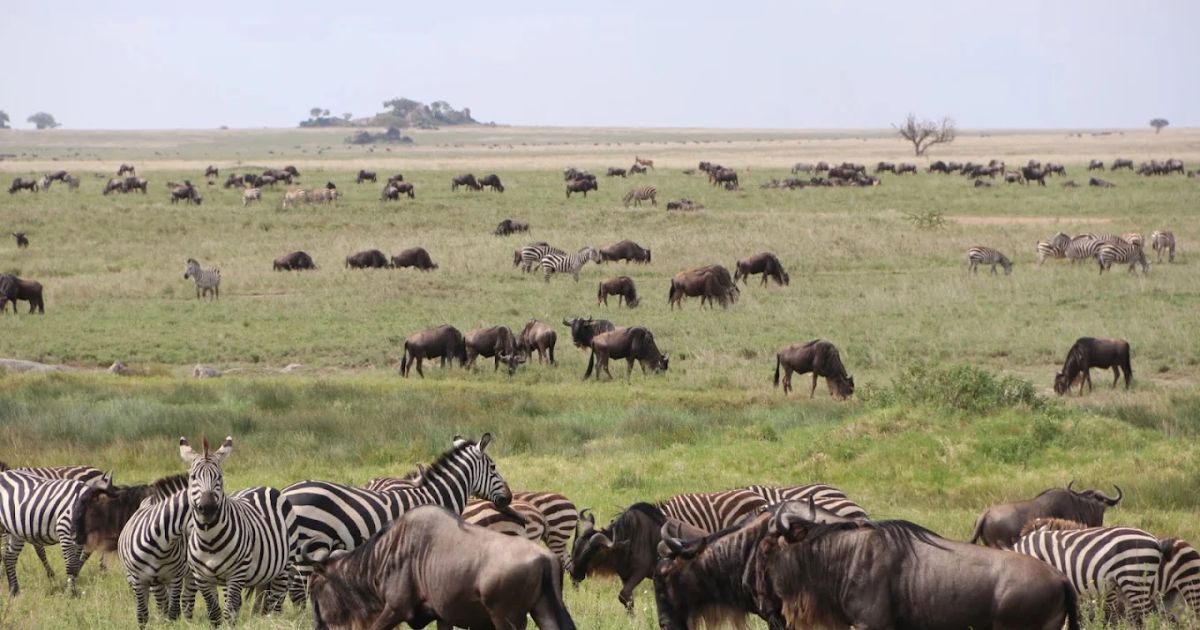
The Great Migration is one of the greatest wildlife shows on Earth. Over a million wildebeest, along with zebras and gazelles, travel in a circle through the Serengeti all year. The herds follow the rains and fresh grass, so their location changes through the months.
- January to March: Herds gather in the southern Serengeti and Ndutu for calving.
- April to May: The herds start moving north through the central Serengeti.
- June to July: They travel through the western corridor, where some cross the Grumeti River.
- July to October: The herds reach the northern Serengeti and cross the Mara River.
- November to December: They move back south to start the cycle again.
Because nature does not follow a strict calendar, migration dates can change from year to year. A good safari planner will help you pick the best area and camp for your travel dates. Explore our Tanzania safari packages at www.masaiafricasafaris.com to see options that follow the herds.
Best Time to Visit Tanzania’s Top Safari Parks.
Each park has its own best season. Use this list to match the park to your dates:
- Serengeti National Park: Good all year. Choose January to March for calving, June to July for the western corridor and July to October for river crossings.
- Ngorongoro Crater: Rewarding all year because animals live in the crater permanently. The dry season has fewer mud problems and clearer views.
- Tarangire National Park: Best from June to October, when large herds of elephants gather along the river.
- Lake Manyara National Park: Good all year, with the best birdlife from November to April.
- Ruaha and Nyerere (Selous) National Parks: Best in the dry season, from June to October, when animals gather at the rivers and the bush is thin.
Best Time to Go Based on Your Travel Style.
The best time for a safari is not the same for every traveller. Think about what matters most to you:
- First-time safari travellers: June to October gives the easiest and most reliable wildlife viewing.
- Photographers: January to March for calving and predators or July to October for river crossings.
- Honeymooners and couples: The shoulder months, like June and November, give a mix of good weather and fewer crowds.
- Families with children: The dry season is more comfortable and easier to plan, with good road conditions.
- Bird lovers: November to April, when migratory birds arrive.
- Budget travellers: April, May and early November often come with better value.
- Safari and beach lovers: Combine a safari with Zanzibar. June to October and January to February are great for both.
Tanzania Safari Prices by Season: What to Expect.
The season you choose changes how much your safari costs. We do not list fixed prices here because rates change over time and depend on your plan, but this is how seasons usually affect your budget:
- High season (June to October and late December): Demand is highest, so lodges and camps are usually at their top rates and sell out early.
- Shoulder season (January to March and November): Rates are often moderate and there is still great wildlife viewing.
- Low season (April and May): Rates are usually lower and there are fewer visitors, though the rains are heavier.
Other things that shape your final cost include the length of your trip, the type of lodge or camp, the parks you visit, your group size and whether you travel by road or fly between parks. For a clear quote that fits your plans, contact us at www.masaiafricasafaris.com.
Tips for Planning Your Tanzania Safari.
Follow these simple tips to get the most from your trip:
- Book early: For June to October and the festive season, secure your lodges and camps months ahead.
- Decide what you want to see: Choose the migration, big cats or elephants first, then pick the dates.
- Stay flexible: Wildlife moves with the weather, so allow room in your plan.
- Allow enough days: Many travellers enjoy five to seven days to see more than one park without rushing.
- Pack smart: Bring layers, a hat, sunscreen, comfortable shoes and neutral-coloured clothing.
- Check travel and health needs: Confirm visa rules and recommended vaccinations before you travel.
- Use a trusted safari company: An experienced planner knows the parks, the seasons and the best guides.
Why Book Your Tanzania Safari with Masai Africa Safaris.
At www.masaiafricasafaris.com, we plan safaris that match your dates, interests and budget. We know when and where to go, so you do not waste time guessing. Every trip is customised and our team looks after the details so you can enjoy the wild.
When you book with us, you get:
- Safari plans built around the best season for your goals.
- Experienced guides who know the parks well.
- Trusted lodges and camps for every style of traveller.
- Help with park choices, routes and transfers.
- Clear information on what is included in your package.
- Friendly support from your first message to your safe return home.
Frequently Asked Questions About the Best Time to Visit Tanzania for Safari.
1. What is the best time to visit Tanzania for safari?
The best time for most travellers is the dry season, from late June to October. Wildlife is easy to see and the weather is dry and pleasant.
2. When is the best time to see the Great Migration in Tanzania?
For calving, visit from January to March in the southern Serengeti. For the dramatic Mara River crossings, visit from July to October in the northern Serengeti.
3. What is the cheapest time to go on safari in Tanzania?
The low season, mainly April and May, usually has the lowest rates. Early November can also offer good value. Prices depend on your plan, so request a custom quote at www.masaiafricasafaris.com.
4. Is the rainy season a bad time for safari in Tanzania?
Not always. The rains bring green views, fewer crowds and lower rates. Some roads are muddy and a few camps close, but wildlife is still there. It suits travellers who want quiet and value.
5. How many days do I need for a Tanzania safari?
Most travellers enjoy between five and seven days. A shorter trip can work for one park, while longer trips allow you to see more areas and follow the migration.
6. What is the best month for a Tanzania safari?
Many people pick August or September for river crossings and strong wildlife viewing. February is also excellent for calving and predator action.
7. Can I combine a safari with a beach holiday in Zanzibar?
Yes. Many travellers end their safari with a few days of rest on Zanzibar. The dry months from June to October and January to February are great for both.
8. Which Tanzania park is best for elephants?
Tarangire National Park is famous for its elephants, especially from June to October when herds gather along the river.
9. How early should I book my Tanzania safari?
For the dry season and the festive period, we advise booking several months ahead. For the low season, a shorter notice may work, but earlier is always safer.
10. How do I book a Tanzania safari with Masai Africa Safaris?
Visit www.masaiafricasafaris.com, share your travel dates, group size and interests, and our team will prepare a plan and quote for you.
Conclusion.
The wild moves with the seasons, and so should your plans. Whether you want dramatic river crossings, newborn calves, peaceful green landscapes or great value, there is a perfect window for you. Knowing the best time to visit Tanzania for safari helps you see more, spend wisely and enjoy every moment.
Do not leave your dream safari to chance. Contact the team at www.masaiafricasafaris.com today, and let us design a Tanzania safari timed perfectly for the wildlife, the weather and your budget.