

Have you ever dreamed of waking up to the roar of a wild lion or watching a herd of giant elephants stroll peacefully beneath the snow-capped peak of Mount Kilimanjaro? A 7-Day Kenya Safari is the absolute perfect way to turn that lifelong dream into a stunning reality. To help you plan this once-in-a-lifetime journey, www.masaiafricasafaris.com has crafted this comprehensive expert guide covering the best itineraries, top park highlights and expected safari costs.
Why Choose a 7-Day Kenya Safari?
Kenya is globally recognized and celebrated as the authentic birthplace of the traditional African safari. Taking a dedicated week-long journey allows you just enough time to explore incredibly diverse landscapes and ecosystems without feeling rushed or overwhelmed. A standard 7-day trip perfectly aligns with the country’s travel logistics, allowing you to comfortably visit three to four major national parks and game reserves.
When you book a well-structured safari itinerary through seasoned experts like www.masaiafricasafaris.com, you avoid the exhaustion of constant daily travel. You get the luxury of spending multiple nights in key, high-density wildlife locations like the world-famous Masai Mara. Spending two or three nights in one location significantly increases your chances of witnessing rare and breathtaking wildlife interactions. For example capturing a high-speed cheetah hunt, a leopard dragging its prey into an acacia tree or the dramatic, dust-filled river crossings during the Great Wildebeest Migration.
The Best 7-Day Kenya Safari Itinerary: Parks & Highlights.
Our most highly recommended and popular 7-day Kenya safari route creates a seamless circuit covering Amboseli National Park, Lake Naivasha, Lake Nakuru and the Masai Mara. This specific itinerary is favored by travelers globally because it offers an incredible, unmatched variety of scenery, birdlife and apex predators.
Day 1 & 2: Amboseli National Park – The Land of Giants.
Your unforgettable safari begins with a scenic drive south from the capital city of Nairobi to Amboseli National Park. Widely known as the absolute best place in Africa to get up close to massive, free-ranging elephant herds, Amboseli is a wildlife photographer’s ultimate paradise. The park is characterized by its vast, sweeping dusty plains and lush swampy springs that draw thousands of animals from miles around.
During your two days here, you will enjoy thrilling early morning and late afternoon game drives when the animals are most active. The crowning glory of Amboseli is undoubtedly the majestic Mount Kilimanjaro. Although the mountain itself is technically located across the border in neighboring Tanzania, Amboseli offers the most spectacular, unobstructed views of its iconic snow-capped peak. Watching a family of giant elephants graze peacefully with Kilimanjaro dominating the background is a signature Kenya safari moment that you will remember forever.
Day 3: Lake Naivasha – A Walk on the Wild Side.
On day three, your driver-guide will navigate into the stunning Great Rift Valley toward Lake Naivasha. Unlike the traditional dry savanna parks, Lake Naivasha is a massive, shimmering freshwater lake fringed by thick yellow fever trees and papyrus. Here, your safari experience shifts gears—you will step out of your 4×4 land cruiser and embark on a serene, guided boat ride.
You will glide peacefully past massive pods of territorial hippos grunting in the shallow water and spot incredibly diverse birdlife, including majestic African fish eagles swooping down to catch their prey. Many 7-day Kenya safari itineraries also include an exciting stop at nearby Crescent Island or Hell’s Gate National Park. In these unique zones, the absence of major predators means you can actually walk or cycle safely alongside towering giraffes, grazing zebras and leaping impalas for a truly immersive experience.
Day 4: Lake Nakuru National Park – The Rhino Sanctuary.
Your journey then continues deeper into the Great Rift Valley to the beautiful Lake Nakuru National Park. Originally made famous for its massive, sweeping flocks of vibrant pink flamingos that line the alkaline lake’s shores, Nakuru has successfully evolved into one of Kenya’s premier sanctuaries for highly endangered rhinos.
Lake Nakuru is arguably the most reliable place on your entire 7-Day Kenya Safari to spot both the elusive black rhino and the massive white rhino grazing in the open. Beyond rhinos, the park boasts a very healthy and active population of tree-climbing lions and elusive, solitary leopards. The surrounding yellow-barked acacia woodland and rocky escarpments provide a beautiful, dramatic and contrasting backdrop for wildlife photography.
Day 5, 6 & 7: Masai Mara National Reserve – The Grand Finale.
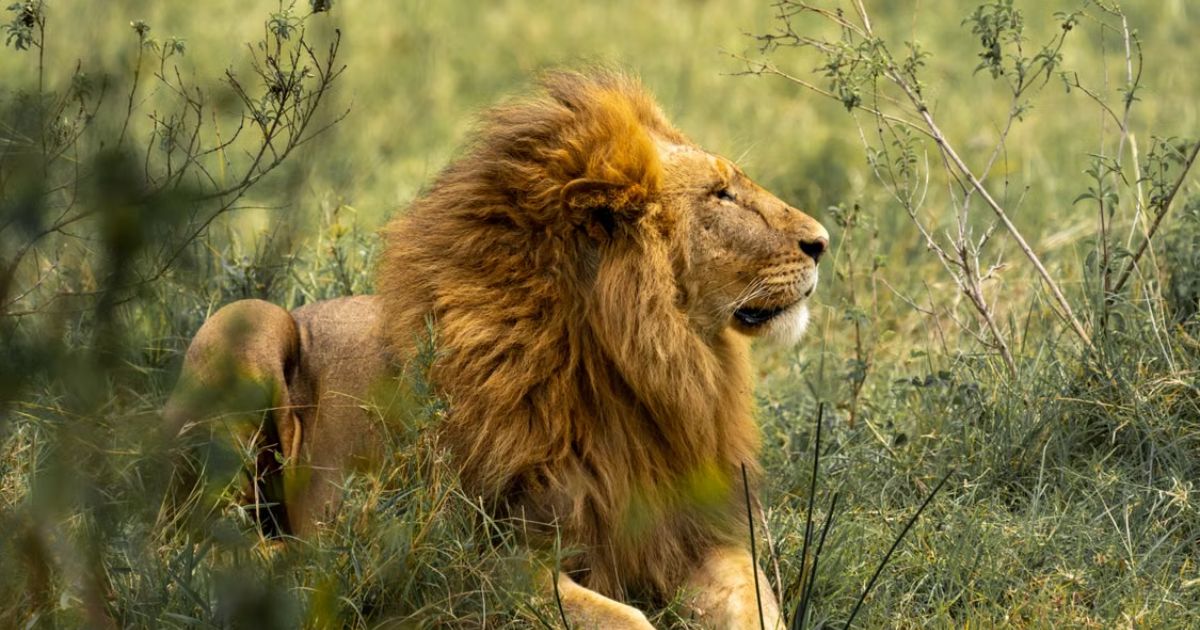
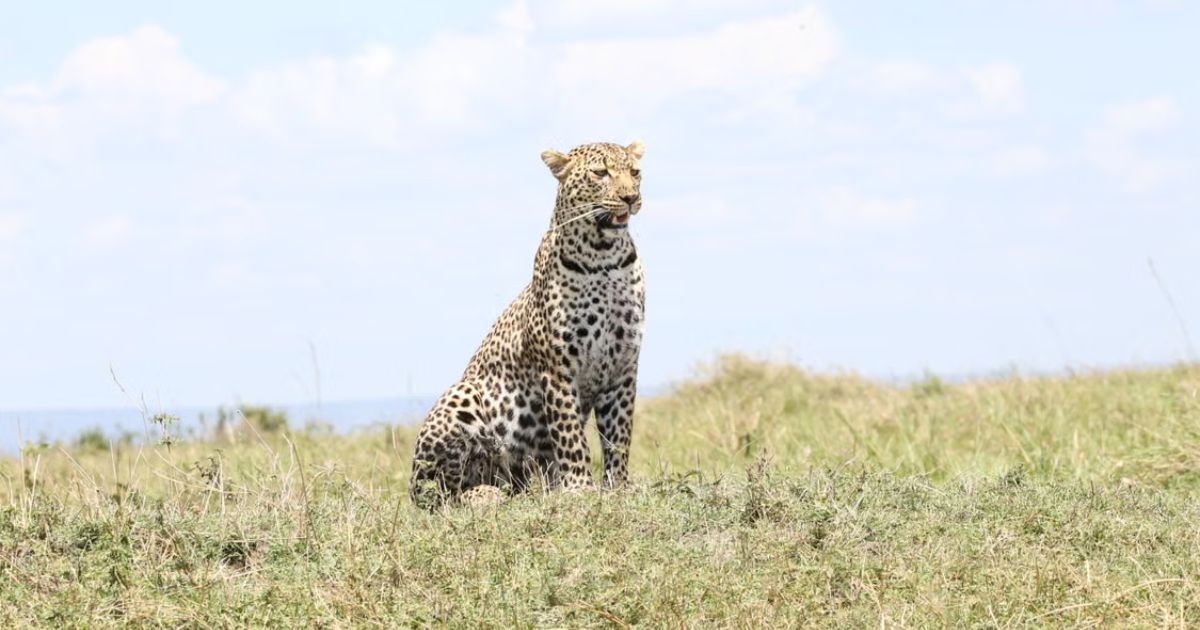
The final leg of your 7-day Kenya safari takes you to the undisputed crown jewel of African wildlife reserves: the world-renowned Masai Mara. You will spend three glorious days exploring these endless, golden rolling plains. The Mara is legendary among wildlife enthusiasts for its exceptionally high density of big cats, including large prides of lions, stealthy leopards, and lightning-fast cheetahs.
If you plan your visit between July and October, you will be treated to the greatest wildlife spectacle on earth: the Great Wildebeest Migration. Millions of driven wildebeest, zebras and gazelles cross the treacherous Mara River in search of fresh green pasture, battling massive, prehistoric Nile crocodiles in the process. Your days here will be filled with extended, heart-pounding game drives, breathtaking fiery sunsets and optional unforgettable activities like a serene sunrise hot air balloon ride over the savanna or a fascinating cultural visit to a traditional Maasai village. Finally, on day seven, you will depart the magnificent Mara and head back to Nairobi, concluding your adventure.
How Much Does a 7-Day Kenya Safari Cost in 2026?
Budgeting is a critical and practical part of planning your African vacation. Safari prices in Kenya vary widely and are largely dependent on the level of luxury you desire, the specific season you choose to travel and the size of your group.
Key insight: Traveling as a group of four to six people can significantly reduce your per-person cost because you collectively share the daily fixed rate of the safari vehicle and the professional driver-guide.
Here is a highly detailed breakdown of what to expect at different price points:
-
Budget Safaris: Perfect for adventurous, cost-conscious travelers. You will stay in basic but clean tented camps or simple lodges located just outside the main national park gates. You will likely share a safari minivan with up to six other people. While the amenities are simple and the food is standard, you still get to experience excellent wildlife viewing and are guided by highly knowledgeable local professionals.
-
Mid-Range Safaris: This is the ultimate sweet spot for most international travelers. You will stay in very comfortable, high-quality lodges or authentic luxury tented camps featuring private en-suite bathrooms, hot showers and excellent dining options. Transportation is typically conducted in a custom 4×4 safari land cruiser, offering maximum comfort and superior visibility on rough roads.
-
Luxury Safaris: For the ultimate indulgence and VIP treatment, luxury safaris offer exclusive five-star lodges or highly private boutique canvas camps deep inside the park reserves. These premium packages often include internal domestic bush flights (saving you hours of driving on dusty roads), gourmet fine dining, luxury spa treatments, highly personalized private guides and exclusive off-road game viewing access far away from the crowds.
What to Expect on Game Drives: The Safari Vehicle.
The type of vehicle you use on your 7-Day Kenya Safari can truly make or break your overall experience. For mid-range and luxury tours booked through reputable platforms like www.masaiafricasafaris.com, you will travel exclusively in a custom-built, rugged 4×4 safari Land Cruiser.
These heavy-duty vehicles are specifically engineered to handle the harsh, rugged African terrain with ease. They feature large pop-up roofs, allowing you to stand up safely during game drives and capture unobstructed 360-degree photos of the surrounding wildlife. They also come fully equipped with deep-tread mud tires, heavy-duty suspension for a smoother ride, charging ports to keep your camera batteries full and an onboard cooler box for cold drinks during long, dusty afternoon game drives.
When is the Best Time to Go on Safari in Kenya?
Timing your visit correctly is absolutely essential to maximize your wildlife viewing opportunities. Kenya is a fantastic, highly rewarding year-round destination, but the environment and experience change dramatically with the shifting seasons.
- Peak Season (July to October): This is by far the most popular and expensive time to book a 7-Day Kenya Safari. The weather is generally cool and dry, making it much easier to spot animals as they congregate around shrinking permanent water sources. This is also the exact window to witness the Great Migration river crossings in the Masai Mara. Because it is peak season, early booking is absolutely essential.
- Shoulder Season (January to March): This period marks the brief dry spell between the short rains and the long rains. The weather is consistently hot, the skies are crystal clear and the plains are filled with many newborn animals. It is an excellent time for predator action as big cats take advantage of the vulnerable young prey.
- Green Season (April to June & November): During the rainy seasons, the dry landscape miraculously transforms into a lush, vibrant emerald-green paradise. While heavy afternoon rains can make some dirt roads muddy, you benefit from drastically lower accommodation prices, virtually zero tourist crowds and spectacular, dramatic storm lighting that professional photographers adore.
What to Pack for Your Kenya Safari.
Packing for an African safari requires a strategic, minimalist approach. Domestic bush flights have strict weight limits (usually capped at 15 kg or 33 lbs, packed strictly in soft-sided duffel bags). Here are the absolute essentials you need to bring:
- Lightweight, neutral-colored clothing: Khaki, olive green, and beige help you blend into the natural environment. Avoid bright neon colors and dark blue or black, which can attract biting tsetse flies.
- Warm layers: Early morning game drives in the Masai Mara and Amboseli can be surprisingly freezing before the sun rises. Bring a warm fleece jacket, a windbreaker and even a beanie.
- Comfortable footwear: Sturdy, closed-toe walking shoes or trail runners are perfect for days in the vehicle and walking around camp. Heavy hiking boots are only necessary if you plan on physically climbing Mount Kenya.
- Sun protection: A wide-brimmed safari hat, high-quality polarized sunglasses and a reliable high-SPF sunscreen are non-negotiable under the intense equatorial sun.
- Camera equipment: Bring a good DSLR or mirrorless camera with a strong zoom lens (at least 300mm), plenty of extra memory cards and spare batteries. A good pair of binoculars is also highly recommended for spotting distant leopards or rare birds.
- Medical kit: Ensure you pack anti-malaria medication, strong insect repellent containing DEET, basic painkillers and any personal prescriptions you may need.
Frequently Asked Questions About a 7-Day Kenya Safari.
Planning a 7-Day Kenya Safari comes with many exciting questions. Here are the top 10 FAQs to help you properly prepare, brought to you by the travel experts at www.masaiafricasafaris.com.
1. Is a 7-Day Kenya Safari really enough time?
Absolutely. Seven full days is considered the perfect duration for a first-time visitor. It allows you ample time to deeply explore multiple distinct ecosystems. For example like the wetlands of Lake Nakuru, the dusty plains of Amboseli and the rolling savanna of the Masai Mara, without suffering from travel fatigue.
2. Which is better: The Masai Mara or the Serengeti?
Both are incredible, world-class destinations. The Masai Mara in Kenya and the Serengeti in Tanzania are actually part of the exact same contiguous ecological system. However, the Masai Mara is geographically smaller, meaning the wildlife density often feels much higher, making it easier to spot the Big Five in a shorter amount of time.
3. Are wildlife safaris in Kenya safe?
Yes, Kenya safaris are exceptionally safe. When you travel with reputable, fully licensed operators like www.masaiafricasafaris.com, you are guided by highly trained professionals who know exactly how to safely navigate the wild. Always follow your guide’s strict instructions and never step outside the vehicle unless explicitly permitted.
4. What exactly are the “Big Five”?
The historic term “Big Five” originally referred to the five most dangerous animals to hunt on foot. Today, it represents the most sought-after animals for modern photographic safaris: the African lion, the African leopard, the African elephant, the Cape buffalo and the rhinoceros.
5. Can I use my phone and the internet while on safari?
Most mid-range and luxury safari lodges offer free Wi-Fi in the main reception or dining areas. However, connection speeds can sometimes be slow due to the extremely remote locations. Cellular coverage is surprisingly good in many parks, but taking this time to digitally detox and connect with nature is highly recommended.
6. Do I need a visa to travel to Kenya?
Kenya has officially transitioned to a modern Electronic Travel Authorization (eTA) system. Travelers of all ages now need to apply for and obtain an approved eTA online before boarding their flight to Kenya. It is a very straightforward process that has completely replaced the traditional sticker visa.
7. Should I book a private safari or join a group tour?
A private safari offers the ultimate flexibility; you get to decide how long to spend watching the lions or when to head back to camp for lunch. A group safari is far more budget-friendly and gives you a wonderful chance to socialize with other like-minded travelers.
8. What kind of food is served at safari lodges?
The food on safari is truly exceptional. High-end lodges and luxury camps serve a brilliant mix of international and local cuisine. You can expect fresh tropical fruits, hot cereals and cooked-to-order eggs for breakfast; massive buffet lunches with fresh salads and hot dishes; and elegant three-course dinners. Specific dietary requirements like vegetarian, vegan or gluten-free can easily be accommodated if communicated in advance.
9. How much should I tip my safari guide?
Tipping is a customary and highly appreciated way to show gratitude for excellent service in Kenya. A general industry guideline is to tip $10 to $15 per person, per day directly to your driver/guide. Tips for the general camp staff (waiters, housekeepers, guards) are usually placed in a communal tip box located at the reception desk.
10. Are children allowed on a 7-Day Kenya Safari?
Yes! A safari is an unforgettable, highly educational family vacation. Many lodges have dedicated family tents, swimming pools and specialized children’s activity programs. However, for very young children (under 5 years old), we strongly consider booking a customized private itinerary with shorter game drives to keep them comfortable and fully engaged.
Conclusion: Safari in Kenya.
Embarking on a 7-Day Kenya Safari is so much more than just a standard vacation; it is a profoundly transformative journey into the beating heart of wild Africa. From watching the towering elephants of Amboseli living under the grand shadow of Mount Kilimanjaro, to marveling at the vibrant flamingo flocks of Lake Nakuru and feeling the thundering hooves of the Great Migration in the Masai Mara, every single day promises a new, awe-inspiring spectacle.
Whether you are looking to travel on a strict budget or seeking a lavish, high-end luxury experience, fully understanding the itineraries, park landscapes and accommodation styles ensures you get the absolute most out of your African adventure. Don’t leave your dream trip to chance—partner with seasoned experts who know the land, the wildlife and the culture intimately. Start planning your unforgettable journey today and book the perfect itinerary with www.masaiafricasafaris.com to experience the unparalleled magic of Kenya for yourself!