

Imagine standing on the golden savannah of the Masai Mara as thousands of wildebeest plunge across a crocodile-infested river in a dramatic display of wild nature. Determining the best time to go on safari in Kenya can transform a standard vacation into a extraordinary life event. Whether you want to witness the world-famous Great Migration, spot the Big Five in pristine weather or enjoy a quiet budget-friendly getaway, planning your journey with www.masaiafricasafaris.com ensures an unforgettable safari experience tailored to your dream itinerary.
Understanding Kenya’s Safari Seasons.
Kenya lies directly on the equator, meaning temperatures remain relatively pleasant throughout the year. However, rainfall patterns dictate animal movement, vegetation density and overall game-viewing conditions. To choose the ideal window for your trip, it helps to understand how the seasons break down across Kenya’s famous game reserves.
1. The Dry Season (June to October).
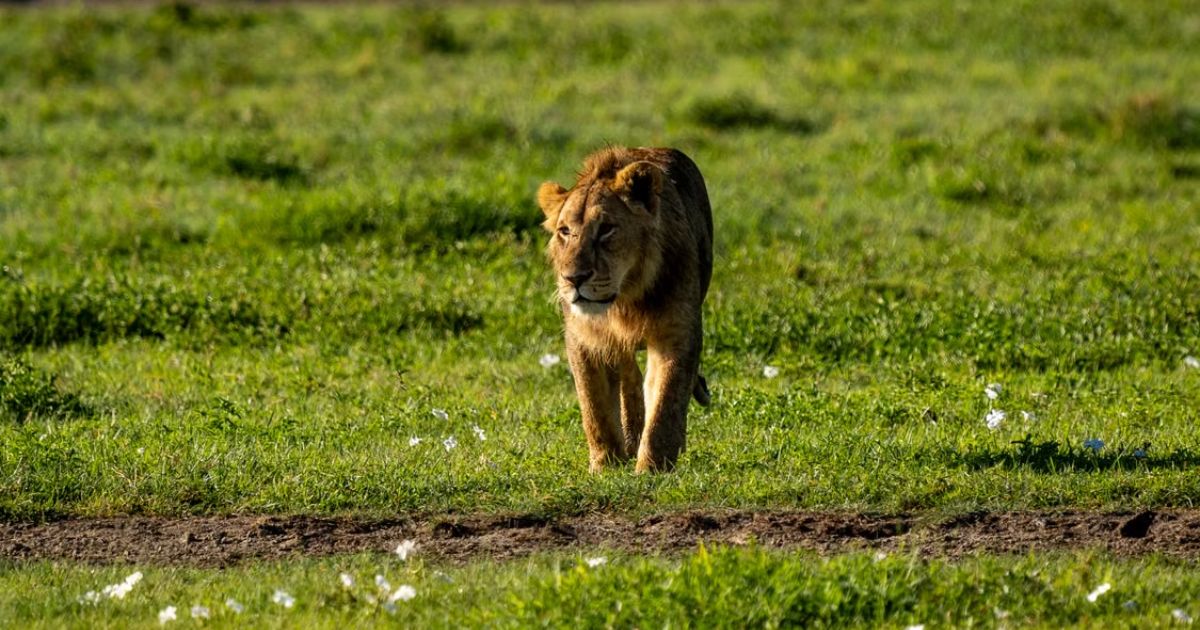
The long dry season is widely considered the peak season for wildlife viewing across Kenya. During these months, rainfall is scarce and the sky remains bright and blue. Because water sources dry up, animals gather in huge numbers around remaining rivers, waterholes and marshlands. The bush is thin, making predators like lions, cheetahs and leopards much easier to spot. This period also coincides with the legendary Great Wildebeest Migration in the Masai Mara.
2. The Short Rains (November to December).
November introduces brief, light showers that usually occur in the late afternoon or evening, leaving mornings clear for game drives. The landscape quickly turns green and vibrant, making it a beautiful time for landscape photography. Newborn animals begin to appear across the plains, attracting hungry predators. Visitor numbers decrease slightly after the peak migration, offering a peaceful game-viewing experience.
3. The Short Dry Season (January to February).
Following the short rains, January and February offer a warm, dry spell that is ideal for game drives and beach holidays. Temperatures rise, bush foliage thins out again, and wildlife concentrates around water points once more. This period is particularly famous for calving season in many parks, where you can watch young zebras, antelopes and gazelles take their first steps.
4. The Long Rains (March to May).
The long rainy season brings heavy tropical downpours, mostly in April and May. While some dirt roads in national parks can become muddy, this season offers major benefits for savvy travelers. Safari lodges offer their lowest rates of the year, popular parks are free from tourist crowds and lush green scenery makes for stunning photographs. It is also the absolute best season for birdwatching in Kenya, as thousands of migratory birds arrive.
Month-by-Month Guide to Kenya Safaris.
Every single month in Kenya offers something special for travelers. Here is a detailed, month-by-month breakdown to help you match your travel goals with the perfect safari timing.
1. January: Clear Skies and Newborn Wildlife.
January is warm, dry, and sunny across most of Kenya’s major game reserves. It is an ideal month for viewing big cats, elephants and rhinos as vegetation remains sparse following the short rains.
- Weather: Warm and dry with daily temperatures averaging 28°C (82°F).
- Wildlife Highlights: High predator activity in Amboseli and Tsavo as young grazing animals are born.
- Why Visit: Excellent conditions to combine a Big Five game drive with a relaxing beach stay on Diani Beach.
2. February: Peak Calving Season and Hot Days.
February is typically the hottest month of the year in Kenya. The dry weather forces wildlife to gather around permanent water sources, providing exceptional game-viewing opportunities.
- Weather: Hot and dry across the country; ideal bush conditions.
- Wildlife Highlights: Calving season is in full swing, leading to dramatic predator interactions.
- Why Visit: Lower crowd levels compared to July and August, yet superb wildlife visibility.
3. March: Transition into the Green Season.
Early March remains mostly dry and warm, making it a great time for game viewing. Towards late March, the first showers of the long rainy season begin to cool the landscape.
- Weather: Warm, with increasing cloud cover and late-afternoon showers by late March.
- Wildlife Highlights: Resident wildlife remains plentiful in Masai Mara, Samburu and Lake Nakuru.
- Why Visit: A great shoulder-season month offering reasonable lodge rates before the heavy rains start.
4. April: Green Landscapes and Budget Travel.
April brings the main influx of the long rains. While afternoon downpours are common, rain rarely lasts all day, leaving plenty of time for early morning game drives.
- Weather: Heavy rainfall and humid conditions; lush green vegetation.
- Wildlife Highlights: Outstanding birdwatching as migratory species fill the trees; newborn animals abound.
- Why Visit: Unbeatable low-season discounts on luxury lodges and exclusive, crowd-free game drives.
5. May: Dramatic Skies and Maximum Savings.
May is the peak of the rainy season, resulting in dramatic emerald-green scenery and dramatic cloud formations that photographers love.
- Weather: High rainfall; cooler temperatures in the highlands.
- Wildlife Highlights: Great game viewing in private conservancies where all-weather roads remain open.
- Why Visit: The most affordable month for a Kenya safari, allowing budget-conscious travelers to stay at high-end luxury camps.
6. June: The Start of the Dry Season.
As the rain stops in June, the landscape begins to dry out, and temperatures become very comfortable. June marks the official start of the high safari season.
- Weather: Clear, warm days and cool, crisp nights.
- Wildlife Highlights: Animals begin congregating around rivers; early migratory herds enter southern Masai Mara.
- Why Visit: Excellent weather without the massive peak-season crowds seen in July and August.
7. July: The Great Migration Arrives.
July is one of the most popular months for travel in East Africa. Huge herds of wildebeest and zebras begin crossing from the Serengeti into the Masai Mara National Reserve.
- Weather: Dry, cool mornings and pleasant afternoon temperatures around 23°C (73°F).
- Wildlife Highlights: Iconic Mara River crossings where wildebeest face giant Nile crocodiles.
- Why Visit: Witnessing one of the Seven Natural Wonders of the World in person.
8. August: Peak Migration Action and Dramatic Crossings.
August represents the height of the Great Wildebeest Migration. The plains of the Masai Mara are packed with over a million grazing animals and active predators.
- Weather: Dry and sunny; warm during the day and cold at night.
- Wildlife Highlights: Unmatched lion, leopard and cheetah activity as predators hunt abundant prey.
- Why Visit: Prime wildlife viewing conditions across all major national parks in Kenya.
9. September: Prime Wildlife Viewing and Thinning Bush.
In September, the dry season is at its peak. The grass on the savannah is short, making game spotting effortless across all reserves.
- Weather: Warm, dry and sunny with zero rainfall.
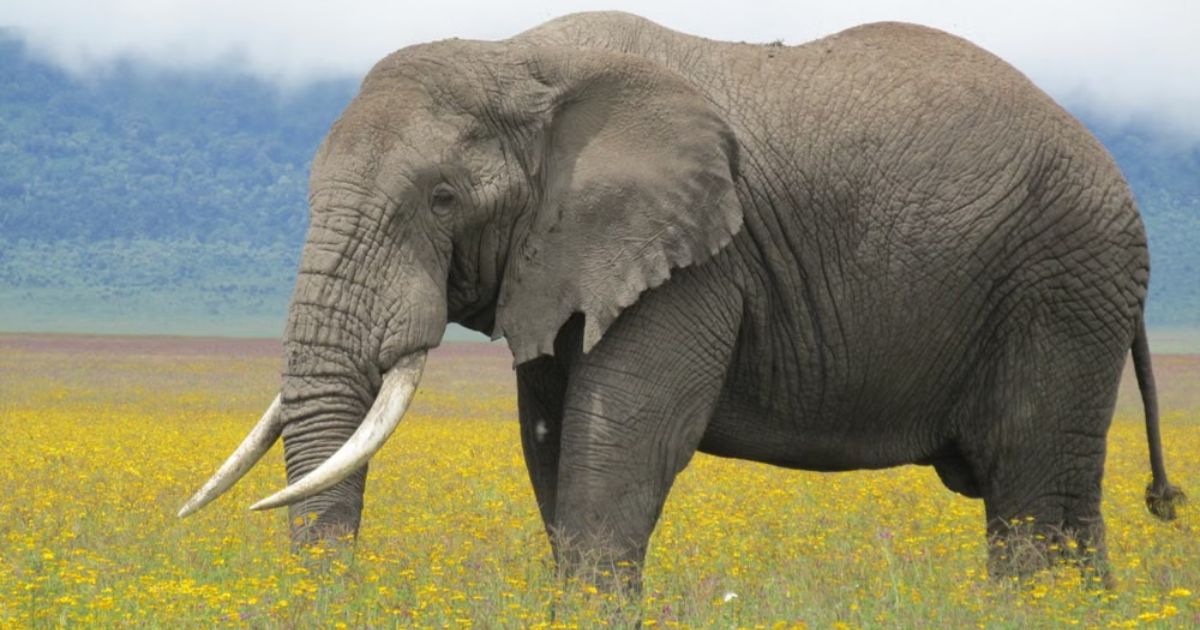
- Wildlife Highlights: Large herds of elephants in Amboseli National Park set against clear views of Mount Kilimanjaro.
- Why Visit: Migration herds remain in the Mara, while tourist numbers drop slightly compared to August.
10. October: Warm Weather and Late-Season Safari Magic.
October brings warmer temperatures before the short rains arrive. Wildebeest herds begin their gradual movement back south toward the Serengeti, but wildlife viewing remains extraordinary.
- Weather: Warm to hot; dry conditions continue through most of the month.
- Wildlife Highlights: Exceptional rhino sightings in Solio Conservancy and Lake Nakuru.
- Why Visit: Great opportunity to experience migration wildlife with fewer vehicles around major sightings.
11. November: Green Season Renewal and Birdwatching.
The short rains arrive in November, refreshing the dusty plains and turning the grass a vibrant green. It is a peaceful, beautiful month to explore Kenya’s wilderness.
- Weather: Light, intermittent afternoon rains; warm temperatures.
- Wildlife Highlights: Migratory birds arrive from Europe and North Africa; resident game remains abundant.
- Why Visit: Lower rates, quiet parks and beautiful conditions for safari photography.
12. December: Festive Safaris and Family Holidays.
December combines warming weather with lush landscapes. The second half of the month is very popular for family Christmas and New Year safari vacations.
- Weather: Warm and mostly dry as the short rains wind down.
- Wildlife Highlights: Abundant young wildlife, active cat families and flamingos along Rift Valley lakes.
- Why Visit: A memorable holiday experience celebrating festive traditions on an African safari.
Seasonal Comparison Table for the Best Time to Go on Safari in Kenya.
To help you decide quickly, here is a breakdown of Kenya’s safari seasons based on budget, crowds, and wildlife viewing quality:
| Season | Months | Wildlife Viewing | Crowd Levels | Budget / Pricing |
| Peak Season | July – October | Exceptional (Migration) | High | Peak Rates |
| Shoulder Season | Jan – Feb, June, Dec | Great | Moderate | Standard Rates |
| Low Season | March – May, Nov | Good | Very Low | Discounted Rates |
Best Time for Specific Kenya Safari Experiences.
Every traveler has different priorities. Depending on what you want to experience, certain times of the year offer distinct advantages.
1. Seeing the Great Wildebeest Migration.
The best time to go on safari in Kenya for the Great Migration is between July and October. During these months, over 1.5 million wildebeest, zebras and gazelles move across the border from Tanzania into the Masai Mara. River crossings at the Mara and Talek rivers typically peak in August and September.
2. Spotting the Big Five (Lion, Leopard, Elephant, Rhino, Buffalo).
If your primary goal is checking the Big Five off your bucket list, plan your trip during the dry months of January to February or July to October. Sparse vegetation and scarce water draw animals out into open spaces where they are easy to locate.
3. Birdwatching and Nature Photography.
Bird lovers and professional photographers should visit between November and April. During this period, over 300 species of migratory birds arrive in Kenya. Rain showers clear dust from the air, creating crisp, vibrant lighting conditions for photography.
4. Combining a Wildlife Safari with a Beach Vacation.
If you wish to combine game drives with relaxation along the Indian Ocean coast (such as Diani Beach or Watamu), the best months are January, February, July, August and September. These months offer dry, sunny days in both safari parks and coastal resorts.
Top National Parks to Visit by Season.
Kenya boasts some of the most diverse national parks in Africa. Choosing the right destination for the right month maximizes your wildlife encounters. You can easily build a multi-park itinerary by visiting www.masaiafricasafaris.com.
1. Masai Mara National Reserve.
- Best Time: July to October (Great Migration) and January to February (Big Cats).
- Highlights: World-famous predator encounters, rolling savannahs and hot air balloon safaris.
2. Amboseli National Park.
- Best Time: June to October and January to February.
- Highlights: Huge elephant herds walking in front of dramatic views of Mount Kilimanjaro.
3. Samburu Special Reserve.
- Best Time: June to October and December to March.
- Highlights: Unique northern wildlife species including the reticulated giraffe, Grevy’s zebra and gerenuk.
4. Lake Nakuru & Lake Naivasha.
- Best Time: Year-round destination; November to April for birdwatching.
- Highlights: White and black rhinos, tree-climbing lions, thousands of flamingos and walking safaris.
How to Plan Your Kenya Safari: Step-by-Step.
Planning a smooth, successful African safari requires thoughtful organization. Follow these simple steps to bring your dream trip to life:
- Select Your Primary Goals: Decide whether your priority is seeing the Great Migration, saving money, avoiding crowds or combining your safari with a beach resort stay.
- Pick Your Dates: Match your travel preferences with our month-by-month guide above to pick your ideal window.
- Choose Your Destinations: Combine two or three complementary parks (such as Masai Mara, Amboseli and Lake Nakuru) for a diverse wildlife experience.
- Partner with Local Experts: Work with a trusted tour operator like www.masaiafricasafaris.com to customize your transport, professional guide services and lodge bookings.
- Pack Smart: Bring lightweight neutral-colored clothing, comfortable walking shoes, high-quality binoculars, a camera, sunscreen and insect repellent.
10 Frequently Asked Questions About the Best Time to Go on Safari in Kenya.
1. What is the best month to go on a safari in Kenya?
July and August are widely considered the best months because of ideal dry weather and the arrival of the Great Wildebeest Migration in the Masai Mara. However, January and February are also fantastic for dry-season game viewing with fewer tourists.
2. When does the Great Migration take place in Kenya?
The herds usually arrive in Kenya’s Masai Mara in July and stay through October before migrating back south into Tanzania’s Serengeti by late November.
3. Is it worth going on safari during the rainy season in Kenya?
Yes! Visiting during the rainy season (April, May, and November) offers major advantages: significantly lower lodge prices, green landscapes, fewer vehicles around animal sightings and exceptional birdwatching.
4. How far in advance should I book my Kenya safari?
For peak season (July to October and Christmas holidays), you should book 6 to 12 months in advance to secure prime lodges. For shoulder or low season, booking 2 to 4 months ahead is usually sufficient.
5. What is the cheapest time to go on safari in Kenya?
April and May offer the lowest prices of the year. Safari lodges and tour operators reduce their rates by up to 40% during these low-season months.
6. Can I see Mount Kilimanjaro from Amboseli all year round?
Yes, but the mountain views are clearest in the early morning and late afternoon during dry months like January, February, June, July, August and September.
7. Where can I book a customized Kenya safari package?
You can easily design and book personalized, high-quality safari packages directly through www.masaiafricasafaris.com with the help of experienced local safari experts.
8. Is a Kenya safari suitable for families with young children?
Yes, Kenya is a great family destination. Many lodges offer specialized children’s programs, family suites and private game drive vehicles to ensure safety and comfort.
9. How many days do I need for a good Kenya safari?
A 5 to 7-day safari allows you to comfortably explore two or three major parks, such as Masai Mara, Amboseli and Lake Nakuru, without feeling rushed.
10. What temperature should I expect on safari?
Daytime temperatures in most parks range between 20°C and 28°C (68°F to 82°F) year-round. However, early morning game drives can be cold (around 10°C / 50°F), so layering your clothing is essential.
Conclusion: best time to go on safari in Kenya.
Choosing the best time to go on safari in Kenya depends entirely on what you want out of your African adventure. If watching massive wildebeest herds brave river crossings is at the top of your bucket list, booking between July and October will deliver an unmatched spectacle. If you prefer quiet parks, lush green wilderness and lower travel costs, the low and shoulder seasons offer incredible value without sacrificing unforgettable animal sightings.
No matter which month you choose to explore, Kenya remains one of the world’s most rewarding wildlife destinations. Do not leave your dream vacation to chance. Contact the team at www.masaiafricasafaris.com today to plan your customized, seamless and high-value safari itinerary!