

Are you dreaming of a tranquil tropical getaway where ancient maritime history meets pristine white-sand beaches and groundbreaking economic progress? Lamu Tours provide the ultimate coastal escape for travelers seeking a unique blend of island relaxation, rich Swahili heritage and modern regional transformation. Located off the northern coast of Kenya in the Indian Ocean, the Lamu Archipelago is one of East Africa’s most captivating travel destinations.
Whether you want to stroll along the peaceful shores of Shela Beach, explore narrow stone alleyways in a 700-year-old UNESCO World Heritage site or learn about how the massive $16 billion Dangote East Africa Petroleum Refinery is turning the region into a economic power house, Lamu has something for everyone. You can plan your dream itinerary today with www.masaiafricasafaris.com to experience the very best of Kenya’s coastal paradise.
Why Choose Lamu Tours for Your Next Vacation?
Lamu Island offers an authentic escape from the fast pace of modern city life. Unlike commercialized beach resorts, Lamu has preserved its traditional way of living for centuries. There are no cars on the main island; instead, people travel on foot, by donkey or aboard traditional wooden dhow boats. This creates a calm, quiet atmosphere where you can unwind and reconnect with nature.
At the same time, Lamu Tours are evolving to cater to a diverse group of global visitors. From honeymooners looking for secluded beach retreats to business travelers interested in mega infrastructure developments, Lamu seamlessly blends timeless charm with futuristic progress. Selecting a customized travel package ensures you experience both the natural beauty and the dynamic growth defining this region.
Best Beaches and Islands to Visit on Lamu Tours.
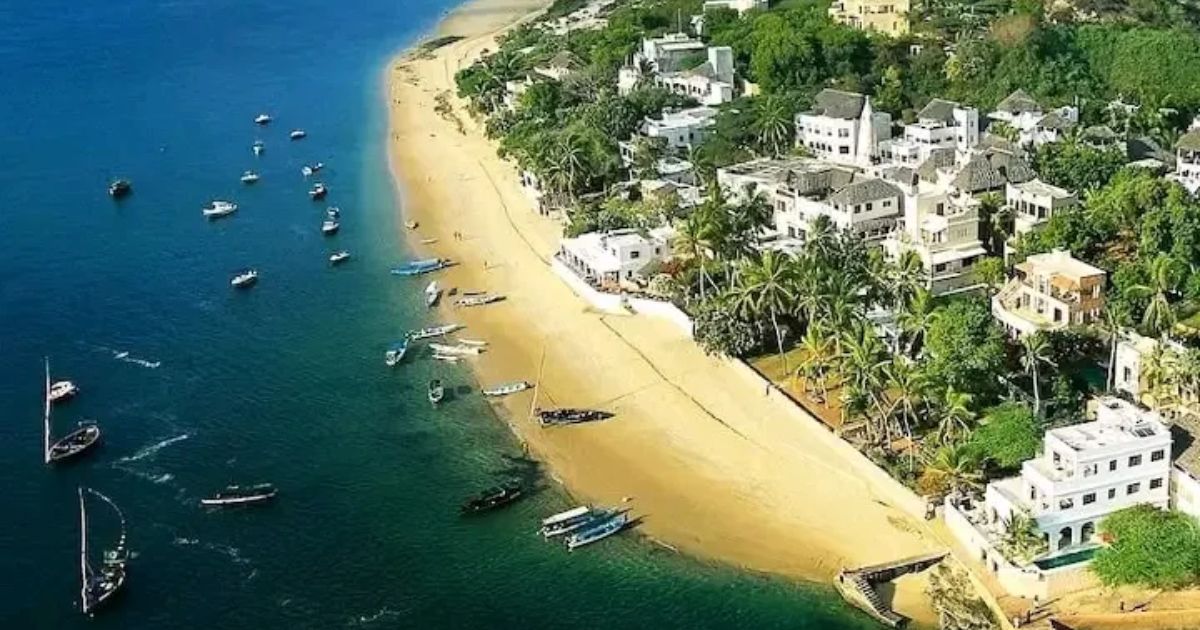
When planning a coastal getaway, the beaches of the Lamu Archipelago stand out as some of the finest in East Africa. Warm tropical waters, powdery sand, and swaying palm trees create an idyllic setting for relaxation and water activities.
1. Shela Beach: Uncrowded Coastal Paradise.
Stretching over 12 kilometers along the coastline, Shela Beach is famous for its massive rolling sand dunes and pristine, uncrowded shores. It is located just a short boat ride or scenic 40-minute walk from Lamu Town. Visitors can enjoy early morning beach walks, gentle swimming in warm ocean waves, or relaxing at stylish beachfront cafes. The constant breezes also make Shela Beach a world-class spot for windsurfing and kitesurfing.
2. Manda Island & Ras Kitau: Exclusive Luxury.
Located directly across the channel from Shela, Manda Island offers private luxury resorts and serene natural surroundings. Ras Kitau beach features sheltered waters that are perfect for swimming, paddleboarding and kayaking. Many high-end travelers choose Manda Island for its secluded boutique lodges, private beach dining and front-row seats to spectacular sunset views over the water.
3. Kiwayu Island: A Secluded Eco-Haven.
For travelers seeking total isolation and untouched marine beauty, a day trip or overnight stay at Kiwayu Island is a must. Situated inside the Kiunga Marine National Reserve, Kiwayu boasts rich coral reefs teeming with sea turtles, colorful fish and dolphins. It is one of the premier spots in Kenya for snorkeling, deep-sea fishing and peaceful eco-lodging far away from mainland crowds.

Cultural Attractions and Things to Do on Lamu Tours.
Culture lovers will find endless fascination in Lamu. As East Africa’s oldest continually inhabited Swahili settlement, the archipelago retains a living culture shaped by centuries of trade between Africa, Arabia, India and Europe.
1. Exploring Lamu Old Town (UNESCO World Heritage Site).
Walking through Lamu Old Town feels like stepping back into the 14th century. The town features narrow, winding streets designed to keep out the hot tropical sun. As you explore with a local guide, you will admire grand stone houses made of coral rag and mangrove timber, open inner courtyards and world-famous hand-carved Swahili wooden doors. Key cultural landmarks include:
- Lamu Fort: Built between 1813 and 1821, this massive stone fortress now houses a fascinating museum detailing local coastal history.
- The Swahili House Museum: A beautifully restored traditional home showcasing classic furniture, domestic items and architectural design.
- German Post Office Museum: The historical site of East Africa’s first post office, established in the late 19th century.
2. Traditional Dhow Sunset Cruises.
Sailing on a traditional handcrafted wooden dhow is an iconic activity on any Lamu Tours itinerary. These vessel designs have remained unchanged for hundreds of years. As late afternoon approaches, your crew raises the canvas sail and glides through calm sea channels. Guests can relax on comfortable cushions, savor fresh grilled seafood, sip refreshing tropical drinks and watch the golden sunset paint the horizon.
3. Historical Excursions to Takwa Ruins.
Located on the southern side of Manda Island, the Takwa Ruins are the remnants of a thriving 15th-century Swahili trading town. Abandoned in the 17th century due to fresh water shortages, the site features remarkably well-preserved stone structures, including the Great Mosque and a unique Pillar Tomb. Accessing the ruins via a boat ride through winding mangrove channels adds an exciting sense of adventure to your historical excursion.
4. Vibrant Festivals and the Donkey Sanctuary.
Lamu is famous for its vibrant cultural celebrations. The annual Lamu Cultural Festival brings the islands to life with donkey races, dhow sailing competitions, traditional music, henno art and Swahili poetry readings. Visitors can also visit the Lamu Donkey Sanctuary, an organization dedicated to treating and caring for the thousands of donkeys that serve as the island’s primary transport system.
How Dangote Development Could Change Tourism in Lamu.
Lamu is known for its beaches, Swahili culture, historic Old Town, dhow cruises and peaceful island atmosphere. At the same time, major infrastructure and industrial developments around the wider Lamu area could influence how tourism develops in the years ahead. The Dangote refinery proposal and the LAPSSET Corridor are particularly relevant because they could bring increased business activity, investment, infrastructure development and demand for hospitality services to the region.
1. Dangote Refinery Development Near Lamu.
The proposed Dangote refinery development has attracted attention to Lamu as a potential regional energy and investment hub. For tourism, increased business activity could create additional demand for hotels, restaurants, transport services, conference facilities and other services used by business travelers and visiting professionals.
For leisure travelers, the main attraction of Lamu remains its beaches, cultural heritage, marine activities and historic sites. The growth of business activity could therefore complement rather than replace the destination’s established tourism appeal, provided development is managed carefully.
2. LAPSSET and Tourism Infrastructure.
The LAPSSET Corridor is another major development connected to Lamu’s wider economic growth. Improved transport, port infrastructure and related investment could increase connectivity and encourage more business activity around the region.
Better infrastructure can also create opportunities for tourism by supporting access to accommodation, restaurants, tour services and other visitor facilities. As Lamu develops as a regional economic centre, the destination could attract a wider mix of leisure and business travelers.
3. How Development Could Affect Lamu Tourism.
The combination of industrial investment and infrastructure development could create several changes for tourism in Lamu. These may include increased demand for accommodation, growth in business and corporate travel, expansion of tourism-related services and greater investment in hospitality and transport.
At the same time, Lamu’s appeal depends heavily on its cultural heritage, beaches, marine environment and distinctive Swahili character. Sustainable planning will therefore be important as the wider region develops. Protecting historic sites, coastal ecosystems, local communities and the traditional character of Lamu can help ensure that economic growth complements the destination’s tourism appeal.
3. Balancing Tourism, Heritage and Development.
For visitors planning Lamu Tours, the island’s traditional attractions remain the main reason to visit. Travelers can explore Lamu Old Town, relax on Shela Beach, take a dhow cruise, visit historical sites and experience Swahili culture while the wider region undergoes economic development.
The future of Lamu tourism will depend on how successfully economic development, infrastructure, environmental protection, cultural heritage and tourism are balanced. If managed responsibly, new investment could create opportunities for the local tourism industry while preserving the experiences that make Lamu a distinctive destination.
Best Things to Do on Lamu Tours.
To make the most of your holiday, here is a curated checklist of top experiences to include in your customized travel plan:
- Take a Guided Walking Tour of Lamu Old Town: Walk through narrow alleyways, visit local artisan woodcarving shops and learn about historic Swahili architecture from a knowledgeable local guide.
- Sail on a Sunset Dhow Cruise: Relax on a handcrafted sail boat while drinking fresh coconut water or fruit juice as the sun dips below the ocean horizon.
- Unwind at Shela Beach: Spend an afternoon swimming in warm turquoise waters, climbing sand dunes or sunbathing on endless white sand.
- Visit the Takwa Ruins on Manda Island: Discover 15th-century stone mosques and pillar tombs while exploring ancient Swahili trade history.
- Enjoy Water Sports & Snorkeling: Rent paddleboards, try kitesurfing at Shela or take a day boat trip to coral reefs for dolphin watching and snorkeling.
- Sample Authentic Swahili Cuisine: Taste delicious coconut fish curries, spicy biryanis, fresh grilled octopus and traditional sweet mahamri at local rooftop restaurants.
- Attend Local Cultural Festivals: Plan your trip around the Lamu Cultural Festival or Maulidi Festival to see traditional dances, dhow races and donkey competitions.
- Explore the LAPSSET Development Viewpoints: Take a guided tour to see how modern port facilities and energy infrastructure are transforming East Africa’s economic landscape.
Lamu Travel Guide: Weather, Transport, Etiquette & Travel Tips.
Planning ahead makes your coastal vacation smooth and enjoyable. Here are key practical tips for visiting Lamu:
1. Best Time to Visit Lamu.
Lamu experiences warm tropical weather year-round. The best periods for beach holidays and boat sailing are during the dry seasons from December to March and July to October. During these months, you will enjoy sunny skies, calm sea conditions and excellent water clarity for snorkeling and diving.
2. How to Get to Lamu and Get Around.
The easiest way to reach Lamu is by taking a direct domestic flight to Manda Airport (LAU) from Nairobi (Jomo Kenyatta International Airport or Wilson Airport) or Mombasa. Upon arrival at Manda Airport, a short 10-to-15-minute wooden boat ride takes you directly to Lamu Town or Shela Village.
3. Cultural Etiquette and What to Pack.
Because Lamu Old Town is a conservative Swahili community, visitors are encouraged to dress modestly when walking through residential and market areas. Lightweight clothing that covers shoulders and knees is recommended for public streets, while standard swimwear is perfectly fine on beach stretches like Shela and Manda Island. Be sure to carry cash in Kenyan Shillings, as small vendors and boat captains do not always accept credit cards.
Book Lamu Tours with Masai Africa Safaris.
When booking high-quality Lamu Tours, partnering with an experienced tour operator ensures a stress-free travel experience. At Masai Africa Safaris, we specialize in crafting personalized itineraries tailored to your needs.
Here is why travelers choose us:
- Tailor-Made Packages: Combine wild bush safaris in the Masai Mara, Amboseli or Tsavo with a tranquil beach stay in Lamu.
- Expert Local Guides: Friendly, licensed guides provide rich historical insights into Swahili culture and local attractions.
- Seamless Transfers: Complete booking management for domestic flights, private dhow charters, hotel stays and guided excursions.
- Transparent Pricing: Fair rates with no hidden fees, providing maximum value for luxury holidaymakers, families and solo travelers alike.
Conclusion.
Lamu is truly one of the most remarkable destinations in Africa. It offers a rare combination of serene white-sand beaches, ancient Swahili culture and inspiring economic development driven by the Dangote refinery project. Whether you want to sail into the sunset on a traditional wooden dhow, wander through historic UNESCO heritage sites or witness East Africa’s economic future unfold, Lamu delivers an unforgettable trip.
Don’t wait to experience this coastal jewel! Visit Masai Africa Safaris at www.masaiafricasafaris.com today to book your customized package and begin planning your dream vacation!
Frequently Asked Questions (FAQs) About Lamu Tours.
1. What are Lamu Tours?
Lamu Tours are specialized travel packages that allow visitors to explore the Lamu Archipelago off the coast of Kenya. These tours typically include hotel stays, guided walking tours of historic Lamu Old Town, dhow sunset cruises, beach relaxation at Shela and visits to nearby islands like Manda and Kiwayu.
2. How do I get to Lamu Island?
The fastest and most comfortable way to get to Lamu is by flying into Manda Airport (LAU) from Nairobi or Mombasa. From the airport, a quick 10-minute dhow or motorboat transfer brings you straight to your hotel in Lamu Town or Shela Village.
3. What is the Dangote Refinery development in Lamu?
The Dangote East Africa Petroleum Refinery is a $16 billion mega-project located near Lamu Port on the mainland. Designed to refine up to 700,000 barrels of crude oil per day, it aims to supply refined petroleum products across East Africa, boost regional trade and power local industry.
4. Does the Dangote Refinery affect tourism on Lamu Island?
No, the refinery and commercial port facilities are located on the mainland, miles away from the peaceful tourist zones on Lamu Island and Shela Beach. Visitors can enjoy quiet beach holidays while business travelers benefit from improved regional infrastructure and flight connections.
5. What are the best beaches to visit in Lamu?
The top beaches in Lamu include Shela Beach (famous for white sand and dunes), Ras Kitau on Manda Island (great for luxury resorts and quiet swimming) and Kiwayu Island (ideal for snorkeling and eco-tourism).
6. Is Lamu safe for international tourists and business travelers?
Yes, Lamu is a peaceful destination that warmly welcomes tourists and corporate guests. Local authorities and tour operators maintain high safety standards across airports, hotels and excursion routes.
7. How many days should I stay in Lamu?
A stay of 3 to 5 days is ideal to explore Lamu Old Town, enjoy a dhow cruise, relax on Shela Beach and visit historical ruins. Many travelers combine a 3-day Lamu beach vacation with a wildlife safari on the Kenyan mainland.
8. Are cars allowed on Lamu Island?
No, cars are not used on Lamu Island due to the narrow stone streets. Transportation is conducted on foot, by donkey or via motorboats and dhows.
9. What should I wear when visiting Lamu Old Town?
When exploring Lamu Old Town, it is respectful to dress modestly by covering your shoulders and knees. At beach resorts and on private boat charters, casual swimwear and beach attire are standard.
10. How can I book my Lamu vacation with Masai Africa Safaris?
You can easily book your vacation package online by visiting www.masaiafricasafaris.com. Their travel experts will help design a customized schedule that fits your budget, preferred travel dates and activity choices.