

Are you dreaming of the ultimate African wildlife adventure? Combining two of Africa’s most famous wildlife destinations is a bucket-list experience for many travelers. Planning a Tanzania Safari from Kenya allows you to witness the Great Migration, explore the endless plains of the Serengeti and marvel at the breathtaking Ngorongoro Crater all in one seamless trip. At www.masaiafricasafaris.com, we make this dream a reality by designing unforgettable, cross-border itineraries tailored to your unique travel style.
This complete guide covers everything you need to know, from the best travel routes and top destinations to the different types of safari packages and crucial border-crossing tips.
Why Book a Tanzania Safari from Kenya?
Kenya and Tanzania share a long border and an incredible ecosystem, making it incredibly easy and highly rewarding to combine them into one grand adventure. Instead of choosing between the world-famous Masai Mara and the iconic Serengeti, a combined safari allows you to experience the best of both worlds.
The primary advantage of doing a Tanzania safari from Kenya is logistical convenience. Nairobi serves as the major aviation hub for East Africa, offering numerous international flight connections. Starting your journey in Nairobi allows you to gently ease into your safari experience, perhaps visiting local attractions like the Giraffe Centre or Nairobi National Park, before heading down into the wilderness. Furthermore, combining both countries gives you a higher chance of witnessing the Great Wildebeest Migration, as the herds move in a massive loop across the Kenyan and Tanzanian borders throughout the year.
Best Routes for a Tanzania Safari from Kenya.
When moving from Kenya to Tanzania, the route you choose will depend on the parks you want to visit, your preferred mode of transport and your overall timeline. Here are the three most popular routes for a seamless cross-border safari:
1. The Great Migration Route: Masai Mara to Serengeti.
This is arguably the most famous route for wildlife enthusiasts. If you are already exploring the Masai Mara in Kenya, you can cross directly into Tanzania to continue your adventure in the Serengeti.
The most common way to do this by road is through the Isebania Border in western Kenya. It is a long, scenic drive that takes you through local farming communities and dramatic landscapes before entering the western corridor of the Serengeti National Park. Because this is a lengthy drive, many travelers opt for a bush flight from the Masai Mara to Migori (near the border), cross into Tanzania by road and take a connecting flight from Tarime into the Serengeti.
2. The Kilimanjaro Route: Nairobi to Amboseli and Tarangire via Namanga.
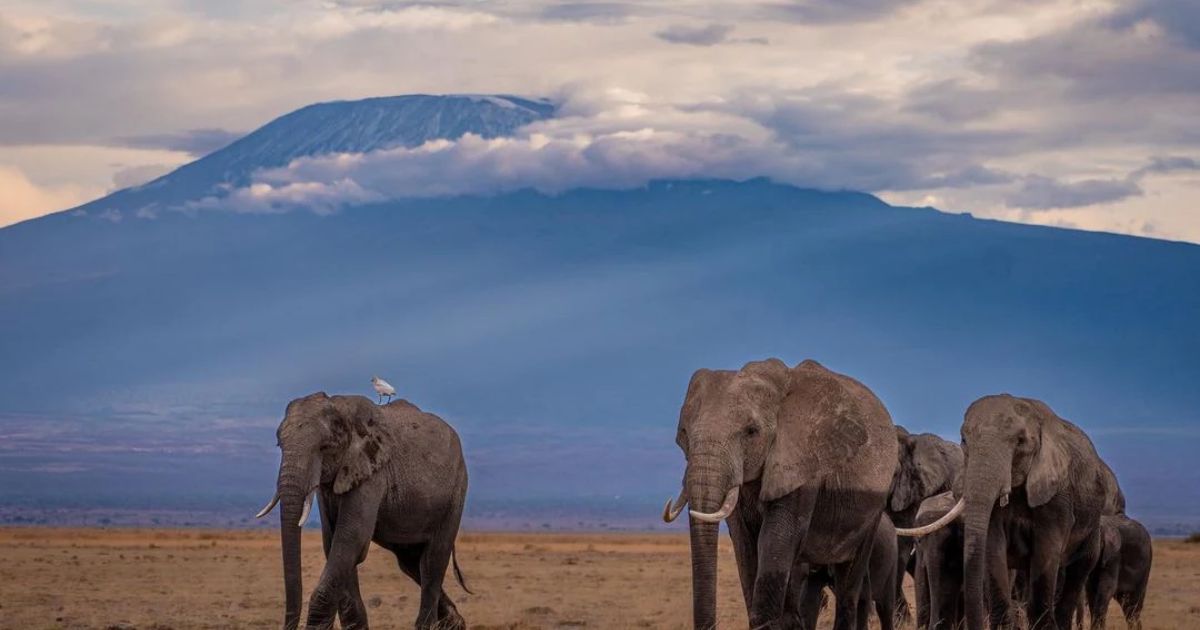
If you want to experience massive elephant herds and views of Africa’s highest peak, this route is perfect. You will begin your journey in Nairobi and drive south to Amboseli National Park in Kenya, famous for its large tuskers and striking backdrop of Mount Kilimanjaro.
From Amboseli, you exit the park and cross the Kenya-Tanzania border at the Namanga Border Post. Once you clear immigration, it is a smooth drive down to the vibrant Tanzanian town of Arusha, which serves as the gateway to the Northern Safari Circuit. From Arusha, you can easily access Tarangire National Park, Lake Manyara and the Ngorongoro Crater.
3. Nairobi to Arusha or Kilimanjaro by Air.
For those who prefer to minimize driving time and maximize their time in the bush, flying is the best option. There are daily scheduled flights from Nairobi’s Jomo Kenyatta International Airport (JKIA) or Wilson Airport directly to Kilimanjaro International Airport (JRO) or Arusha Airport.
This short flight takes less than an hour. Upon landing in Tanzania, your safari guide will pick you up, and you can immediately begin your game drives in the nearby parks. This route is highly recommended for those booking luxury safari packages or travelers on a tighter schedule.
Best Tanzania Safari Destinations to Visit.
A well-planned Tanzania safari from Kenya opens the door to some of the most spectacular wildlife reserves on the planet. Here are the top destinations you should include in your Tanzanian itinerary:
1. Serengeti National Park.
The Serengeti is the crown jewel of Tanzania. Famous for its endless, rolling grass plains and massive predator populations. It is a destination that delivers exceptional wildlife viewing year-round. It is also the primary stage for the Great Migration, where millions of wildebeest, zebras and gazelles traverse the plains in search of fresh pasture.
2. Ngorongoro Conservation Area.
Often referred to as the “Eighth Wonder of the World,” the Ngorongoro Crater is the largest unbroken volcanic caldera on earth. The crater floor is a natural enclosure that hosts a dense population of wildlife, including the endangered black rhino, giant bull elephants and large prides of lions.
3. Tarangire National Park.
Known as the “Home of Giants,” Tarangire is famous for its massive elephant herds and ancient, towering baobab trees. It is an excellent park to visit during the dry season when thousands of animals congregate around the Tarangire River, making game viewing incredibly easy and action-packed.
4. Lake Manyara National Park.
Nestled at the base of the Great Rift Valley escarpment, Lake Manyara is renowned for its diverse birdlife, including large flocks of pink flamingos and its unique tree-climbing lions. The park features lush groundwater forests, providing a beautiful contrast to the open plains of the Serengeti.
Tanzania Safari Packages from Kenya.
No two travelers are alike, which is why there are multiple ways to experience a cross-border adventure. When browsing www.masaiafricasafaris.com, you will find a variety of safari packages designed to suit different comfort levels and preferences:
- Luxury Safari Packages: Designed for maximum comfort and exclusivity. You will stay in high-end boutique lodges or lavishly furnished luxury tented camps situated in prime wildlife locations. These packages often include bush flights, private guides, gourmet dining and extras like hot air balloon safaris.
- Mid-Range Safari Packages: This is the most popular option, offering an excellent balance of comfort and value. You will stay in standard permanent lodges or comfortable tented camps featuring en-suite bathrooms, comfortable beds and excellent dining facilities.
- Budget Safari Packages: Ideal for the adventurous traveler. You will sleep in canvas dome tents pitched in designated public campsites within the parks. Your safari team includes a private chef who prepares all your meals over a campfire, offering a highly authentic, close-to-nature experience.
- Family Safari Packages: Tailored specifically for travelers with children. These packages feature child-friendly lodges with swimming pools, shorter daily game drives, and interactive cultural activities to keep younger travelers engaged and entertained.
- Honeymoon Safaris: Built around romance, privacy and unforgettable experiences. Expect private dinners under the stars, secluded luxury suites and couple’s spa treatments in the heart of the African bush.
Tanzania Safari Prices: What Determines the Cost?
While we do not list exact price figures—because every trip is customized and rates fluctuate based on dynamic factors—it is important to understand what influences the cost of your Tanzania safari from Kenya.
First, Seasonality plays a massive role. Traveling during the peak season (July to October) when the Great Migration river crossings occur will always carry premium rates. Conversely, the low or “green” season (April and May) offers significant discounts and quieter parks.
Second, the Type of Accommodation you choose dictates a large portion of your budget. A luxury fly-in camp will cost significantly more than a mid-range lodge or a basic camping setup.
Third, your Mode of Transport impacts the final package. Road safaris in a custom 4×4 Land Cruiser are generally more cost-effective than taking multiple light aircraft flights between parks. Furthermore, the Number of Days and your Group Size will shift the per-person cost. Traveling with a group of four to six people allows you to split the cost of the safari vehicle and guide, making the trip much more economical than traveling as a solo passenger or a couple.
Tanzania Safari from Kenya: Border Crossings and Visa Requirements.
Crossing international borders in Africa requires a bit of preparation, but the process is generally straightforward if you have your documents in order.
When conducting a Tanzania safari from Kenya, you will typically cross by land at Namanga or Isebania or by air through major airports. Here are the crucial document requirements:
- Visas: It is a common misconception that the East Africa Tourist Visa covers both countries. The East Africa Tourist Visa ONLY covers Kenya, Uganda and Rwanda. Tanzania is not a part of this specific visa agreement. You will need a separate Tanzanian tourist visa, which is best applied for online (e-Visa) prior to your departure to save time at the border.
- Yellow Fever Certificate: Because you are moving from Kenya into Tanzania, border officials will require proof of a Yellow Fever vaccination. Ensure you have your yellow card packed in your carry-on bag, not packed away in your checked luggage.
- Passports: Your passport must be valid for at least six months from your date of entry and contain at least two blank pages for immigration stamps.
Best Time for a Tanzania Safari from Kenya.
The beauty of East Africa is that it offers fantastic wildlife viewing all year long. However, the exact timing of your trip should align with what you want to see.
- Dry Season (June to October): This is the peak travel season. The bush is sparse, making animals easier to spot as they gather around permanent water sources. This is also the best time to witness the dramatic Great Migration river crossings in the northern Serengeti and the Masai Mara.
- Calving Season (January to March): If you want to see baby animals, this is the time to visit. The wildebeest herds gather in the southern Serengeti and Ndutu region to give birth to thousands of calves each day, which consequently attracts high numbers of large predators.
- Green Season (April and May): This is the rainy season. While some roads can be muddy, the landscape is lush, green and incredibly beautiful for photography. It is also the best time for bird watching and taking advantage of lower off-season accommodation rates.
Conclusion.
Embarking on a Tanzania safari from Kenya is a breathtaking journey that offers the absolute pinnacle of African wildlife viewing. From the towering peaks of Mount Kilimanjaro shadowing the Amboseli elephants to the endless, predator-rich plains of the Serengeti, combining these two nations ensures a travel experience that is rich in diversity, culture and natural beauty. By choosing the right route, selecting the ideal package for your travel style and preparing your travel documents in advance, your cross-border adventure will be smooth and utterly unforgettable.
Ready to start planning your dream itinerary? Reach out to the experts at www.masaiafricasafaris.com today to craft a customized safari that you will cherish for a lifetime.
Frequently Asked Questions (FAQs).
1. Can I do a Tanzania safari from Kenya?
Absolutely! It is one of the most popular ways to experience East Africa. You can easily travel between the two countries via land borders like Namanga and Isebania or by taking short connecting flights. www.masaiafricasafaris.com specializes in organizing these seamless cross-border trips.
2. How long does it take to travel from Kenya to Tanzania?
If you are driving from Nairobi to Arusha via the Namanga border, it takes roughly 4 to 5 hours, depending on traffic and border clearance times. If you choose to fly from Nairobi to Kilimanjaro International Airport, the flight takes less than an hour.
3. What is the best border to cross from Kenya to Tanzania?
It depends on your itinerary. If you are traveling from Nairobi to the northern Tanzanian parks (like Tarangire or Ngorongoro), the Namanga border is best. If you are crossing directly from the Masai Mara to the Serengeti, the Isebania border is the standard route.
4. Do I need a separate visa for Tanzania if I have a Kenyan visa?
Yes. You will need a distinct Tanzanian tourist visa to enter the country, as your Kenyan visa does not grant you access to Tanzania.
5. Is the East Africa Tourist Visa valid for Tanzania?
No. The East Africa Tourist Visa only permits entry into Kenya, Uganda and Rwanda. You must apply for a separate visa for Tanzania.
6. Which is better, the Serengeti or the Masai Mara?
Neither is objectively “better”—they are part of the exact same continuous ecosystem! The Serengeti is much larger and offers vast, open spaces, while the Masai Mara is smaller and often provides higher wildlife density in a concentrated area. A Tanzania safari from Kenya lets you experience the distinct beauty of both.
7. When is the best time for a Tanzania safari from Kenya?
The dry months of June through October are considered the best time for wildlife viewing and witnessing the Great Migration river crossings. However, January through March is fantastic for seeing the calving season in the southern Serengeti.
8. Are yellow fever vaccinations mandatory to cross the border?
Yes. When crossing from Kenya into Tanzania, Tanzanian border officials require you to present a valid Yellow Fever vaccination certificate.
9. Can I fly directly from the Masai Mara to the Serengeti?
Currently, there are no direct international flights from the Masai Mara airstrips straight into the Serengeti airstrips. You must fly to a border town (like Migori or Kisumu), cross the border to clear immigration (usually via Tarime) and take a second domestic flight into the Serengeti.
10. How do I book a combined Kenya and Tanzania safari package?
The easiest way is to use a reputable tour operator who handles the logistics in both countries. Visit www.masaiafricasafaris.com to view sample itineraries and speak with a safari expert to customize your cross-border vacation.