

Are you ready to witness the most spectacular wildlife event on planet Earth? The Great Migration in Kenya is a breathtaking display of survival, raw nature and endless endurance. Every year, over 1.5 million wildebeest, accompanied by hundreds of thousands of zebras and gazelles, make a perilous journey into the Masai Mara. The ultimate highlight of this journey is the heart-pounding Mara River crossing. In this comprehensive guide, we will walk you through everything you need to know about where and how to watch this incredible phenomenon, ensuring your safari adventure is nothing short of perfect when you book with www.masaiafricasafaris.com.
The Phenomenon of the Great Migration in Kenya.
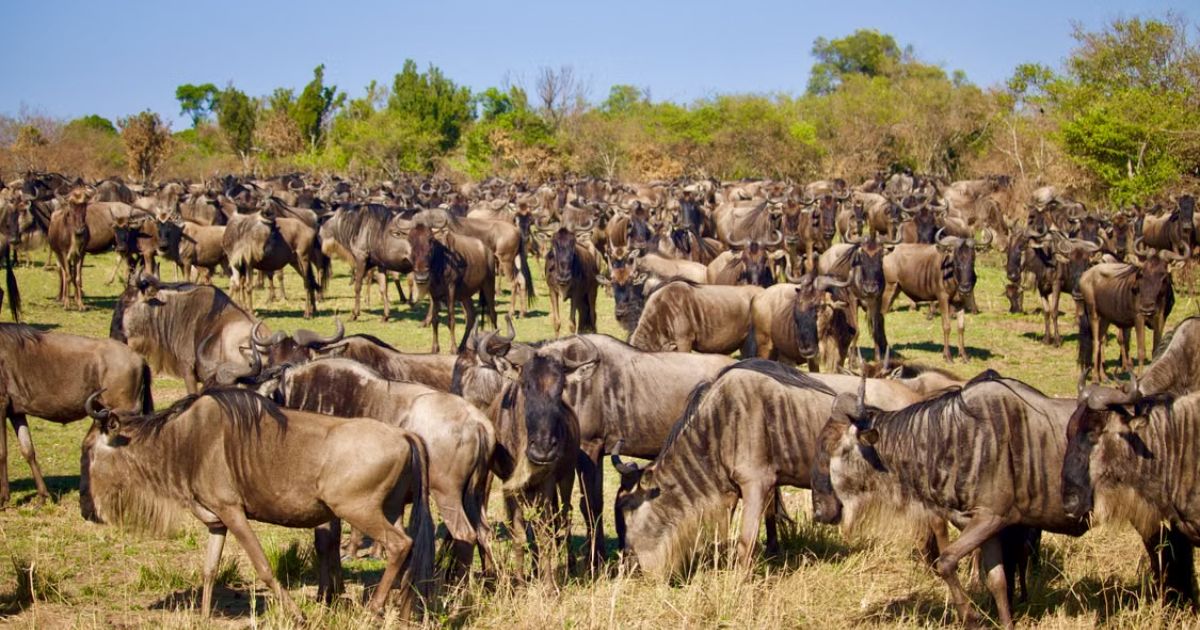
Often referred to as the “World Cup of Wildlife,” the Great Migration in Kenya is an eternal, year-round cycle. However, the magic truly comes alive when the massive herds enter the Masai Mara National Reserve. Driven by the search for fresh grazing lands and water, these animals travel a vast, clockwise route from Tanzania’s Serengeti into Kenya.
What makes this natural spectacle so highly sought-after by travelers worldwide is the sheer volume of animals. Imagine looking out over the golden savannah and seeing a sea of wildebeest stretching as far as the eye can see. The ground shakes with their hooves, and the air is filled with their constant grunting. It is a sensory overload that no nature documentary can fully capture. When you book a trip with www.masaiafricasafaris.com, you are not just taking a vacation; you are securing a front-row seat to the greatest wildlife show on earth.
The Journey: Reaching the Mara River
The journey to the Masai Mara is not a leisurely stroll for the wildebeest. It is a grueling trek filled with exhaustion, hunger and constant threats from predators. By the time the herds reach the southern borders of Kenya, they are met with their biggest obstacle yet: the Mara River.
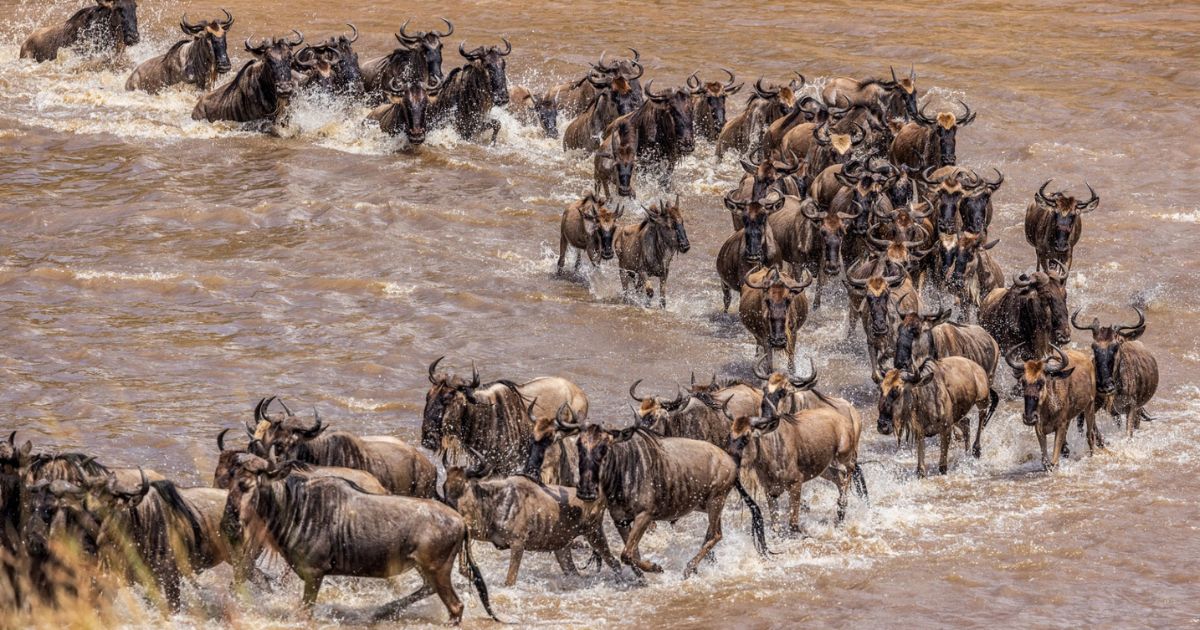
The Mara River forms a natural, rushing barrier between the herds and the lush, green pastures they desperately need. The river’s steep, slippery banks and powerful currents make crossing a deadly challenge. Even worse, the murky waters are infested with massive Nile crocodiles, some growing up to 6 meters long, waiting patiently for their annual feast. This tension—the desperate need to cross versus the terrifying dangers lurking in the water—creates the dramatic river crossings that photographers and nature lovers travel thousands of miles to see.
When is the Best Time to See the Great Migration in Kenya?
Timing is everything when it comes to planning a Kenya safari. Because the migration is a natural event dictated by rainfall, there are no exact dates. However, you can generally expect the action to unfold during the following months:
- July (The Arrival): The first herds begin to arrive in the Masai Mara from the Serengeti. The initial river crossings typically happen at the Sand River and the southern parts of the Mara River. This is a great time to catch the early action before the massive tourist crowds arrive.
- August (Peak Crossing Season): This is arguably the best month to witness the Great Migration in Kenya. The vast majority of the herds have reached the Mara. River crossings happen almost daily and predator activity is at an all-time high. If you want maximum drama, August is the time to go.
- September (Intense Action): The herds are fully settled in the Masai Mara, enjoying the lush green grass. However, because the animals constantly move back and forth across the river to find better grazing, dramatic crossings still occur frequently. The weather is beautiful, and the game viewing is spectacular.
- October (The Slow Return): As the short rains begin to fall, the herds slowly start their journey back south toward Tanzania. You can still catch the tail-end of the migration and witness late river crossings, often with fewer safari vehicles around.
To ensure you are in the right place at the right time, relying on the expert guides at www.masaiafricasafaris.com is your best strategy. They monitor herd movements daily to place you right in the heart of the action.
Top Places to Watch the Wildebeest Crossing.
The Mara River is long, but the wildebeest tend to use specific, traditional crossing points year after year. Knowing where these spots are is the secret to a successful Great Migration safari. Here are the most famous and reliable crossing points:
1. The Mara Triangle.
The Mara Triangle is the western sector of the Masai Mara National Reserve. It is renowned for having excellent wildlife density and fewer tourist vehicles compared to the main reserve. Because it borders a large stretch of the Mara River, it is one of the absolute best places to witness the wildebeest crossing. The landscape here offers sweeping, panoramic views, allowing you to spot approaching herds from miles away.
2. Lookout Hill Crossing.
Located in the southern part of the Masai Mara, near the Sand River, Lookout Hill provides an elevated vantage point. From this hill, safari-goers can see multiple crossing points at once. It is an exceptional spot in the early season (late July to early August) when the herds are just making their way into Kenya.
3. Cul de Sac Crossing.
This is one of the most famous and dramatic crossing points in the central Mara plains. The river channel here is quite narrow. As a result, the herds are forced to bottleneck and bunch up tightly before they leap into the water. This bottleneck creates intense, chaotic stampedes, making it a prime location for high-stakes predator encounters and thrilling photography.
4. Paradise Plains.
Just as the name suggests, this area is a paradise for wildlife viewing. Situated north of the Cul de Sac, Paradise Plains features deep river banks. When the wildebeest cross here, they have to make spectacular leaps into the rushing water below. It is a favorite spot for professional wildlife photographers hoping to capture the iconic “jumping wildebeest” shot.
5. Sand River Crossing.
The Sand River is a tributary that marks the border between Kenya and Tanzania. Crossings here are usually the first ones to happen during the migration season. The water is generally shallower than the main Mara River, but the sheer volume of animals crossing in massive columns makes it a breathtaking sight.
The Drama of the River Crossing: Predators in Waiting.
Watching a Mara River crossing is an emotional rollercoaster. It is an unscripted, natural drama where life and death hang in the balance.
First, the herds gather on the riverbank. They mill about nervously, snorting and kicking up dust. This “build-up” can last for hours or even days. The animals know the danger that lies in the water. They wait for one brave (or desperate) wildebeest to take the first leap. Once the first animal jumps, panic and instinct take over and thousands blindly follow, plunging into the water in a frantic rush to reach the other side.
The Nile crocodiles are the main threat in the water, dragging down struggling animals with terrifying power. But the danger doesn’t end when the wildebeest reach the opposite bank. The noise and dust of the crossing attract land predators. Lions, leopards and hyenas wait in the tall grass along the riverbanks, ready to ambush exhausted wildebeest as they emerge from the water.
Expert Safari Tips for Experiencing the Great Migration.
Witnessing this epic event requires a bit of strategy. Here are some expert tips to make your safari a resounding success:
- Book Early: The Great Migration in Kenya is the busiest tourist season. Luxury safari lodges and tented camps fill up months, sometimes a year, in advance. Secure your spot early.
- Patience is Key: The wildebeest do not follow a schedule. They might stand on the riverbank for hours and then suddenly walk away without crossing. Bring water, snacks and a good book, and be prepared to wait.
- Stay Quiet: When the herds are gathering at the river edge, they are incredibly easily spooked. Sudden noises or too much movement from safari vehicles can cause them to abandon the crossing. Always follow your guide’s instructions.
- Pack the Right Gear: Dust is everywhere during the migration. Bring protective covers for your camera gear. A good pair of binoculars is essential for watching the action from a safe distance and layers of clothing are needed for chilly morning game drives.
- Use a Trusted Local Tour Operator: The knowledge of your driver-guide makes all the difference. Booking with www.masaiafricasafaris.com ensures you have experienced experts who know the Mara River intimately and can anticipate where the herds will move next.
Why Choose Kenya for Your Migration Safari?
While the migration is shared between Tanzania and Kenya, Kenya’s Masai Mara offers a distinct advantage: accessibility and density. The Masai Mara is smaller than the Serengeti, which means the wildlife is highly concentrated. You do not have to drive for hours to find the action.
Furthermore, Kenya offers a rich cultural experience. Many safari packages include visits to local Maasai villages, where you can learn about the traditional customs and survival skills of the people who have coexisted with this wildlife for centuries. Between the luxury camps, the friendly locals and the unmatched density of big cats (lions, cheetahs and leopards), a Great Migration safari in Kenya is simply an unrivaled vacation experience.
10 Frequently Asked Questions (FAQs) About Great Migration in Kenya.
1. What exactly is the Great Migration in Kenya?
The Great Migration is the annual movement of over 1.5 million wildebeest, zebras and gazelles traveling from Tanzania’s Serengeti into Kenya’s Masai Mara in search of fresh pasture and water.
2. What month is best to see the Great Migration in Kenya?
The most reliable time to witness the dramatic Mara River crossings is between August and September. However, the herds are typically in the Masai Mara from July through October.
3. Do the wildebeest cross the Mara River only once?
No. Once the herds are in the Masai Mara, they frequently cross back and forth across the Mara River as they follow local rainfall and search for the greenest grass.
4. Where is the best place to stay during the migration?
Staying in camps near the Mara River or within the Mara Triangle provides the quickest access to the crossing points. Booking your accommodation through www.masaiafricasafaris.com will ensure you are placed in the best strategic locations.
5. How long should my safari be to guarantee seeing a crossing?
Because nature is unpredictable, we highly recommend spending at least 4 to 6 days in the Masai Mara. This gives you multiple opportunities to wait at the riverbanks for a crossing to occur.
6. Is it safe to watch the wildebeest crossing?
Absolutely. You will be seated securely inside a specialized 4×4 safari vehicle. Your experienced guide will ensure that the vehicle is positioned at a safe distance from the riverbanks and the wildlife.
7. Can children go on a Great Migration safari?
Yes, many safari lodges are family-friendly. However, keep in mind that watching a river crossing requires long hours of sitting quietly in a vehicle, which might test the patience of very young children.
8. Will I see the Big Five during the migration?
Yes! The Masai Mara is famous for its resident Big Five (lion, leopard, elephant, buffalo and rhino). The abundance of prey during the migration makes spotting big cats exceptionally easy.
9. How do I get to the Masai Mara?
You can either take a scenic drive from Nairobi (which takes about 5-6 hours) or take a short, 45-minute domestic flight directly into one of the Mara’s airstrips.
10. How can I book a Great Migration safari package?
Booking is easy and hassle-free when you use a reputable tour operator. Visit www.masaiafricasafaris.com to explore customized itineraries and secure your dream African adventure.
Conclusion: Great Migration in Kenya.
The Great Migration in Kenya is more than just a wildlife viewing trip; it is a life-altering experience that connects you to the raw, untamed heartbeat of the African wilderness. From the thundering hooves shaking the ground to the intense survival drama at the Mara River, every single moment is packed with awe and wonder.
Whether you are an avid wildlife photographer, a nature enthusiast or someone simply looking for the ultimate travel adventure, the Masai Mara will exceed all your expectations. Don’t wait to make this dream a reality, as lodges fill up fast for the peak river-crossing months. Start planning today, pack your binoculars and let the experts at www.masaiafricasafaris.com guide you on an unforgettable journey to witness nature’s greatest masterpiece.
Incredible Wildebeest Migration Mara River Crossing This short clip captures the intense reality and raw survival instincts of the wildebeest navigating the crocodile-infested waters, giving you a perfect preview of the action.