

Dreaming of lions at sunrise and elephants under Mount Kilimanjaro, but not sure where to start? You are not alone. Many first-time visitors feel lost with so many parks, tours and options. This guide shows you How to Book a Kenya Safari in simple steps, so you can plan with confidence. At www.masaiafricasafaris.co.ke, we help travelers turn a safari dream into a smooth, well-planned trip.
Why Kenya Is a Top Choice for First-Time Safari Visitors.
Kenya is one of the best countries in Africa for a first safari. It has famous parks, friendly people, good roads and a long history of welcoming guests. Here is why beginners love it:
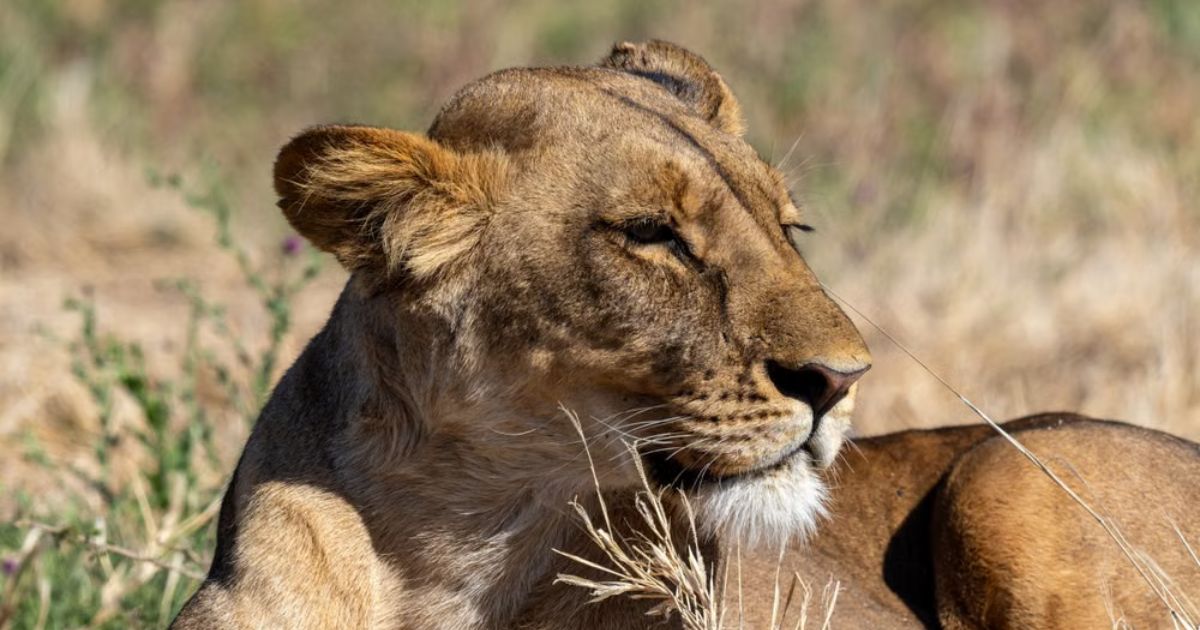
- Wildlife in large numbers: You can see lions, elephants, giraffes, zebras, cheetahs and rhinos in one trip.
- The Big Five: Many parks give you a real chance to see all five of Africa’s top animals.
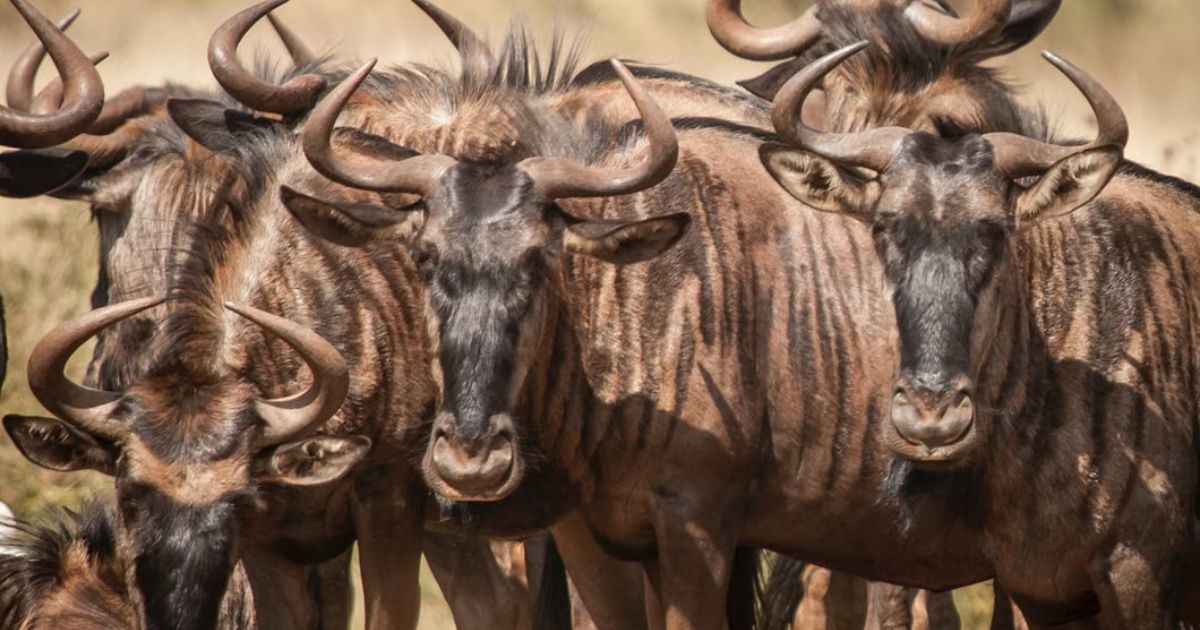
- The wildebeest migration: This famous event brings thousands of animals to the Masai Mara each year.
- Many trip styles: You can choose a short weekend safari or a long multi-park adventure.
- Easy to reach: Nairobi has an international airport and the main parks are a drive or short flight away.
- Great guides and lodges: Kenya has trained guides and a wide range of camps for every taste.
With so many choices, planning well is the key to a great trip. Let us go step by step.
Step 1: Decide Why You Want to Go on Safari.
Before you look at tours, think about your reason for traveling. Your purpose shapes every other choice. Ask yourself:
- Is this a honeymoon, family trip, solo adventure or group holiday?
- Do you want wildlife photography, relaxation or a mix of both?
- Are you traveling with children or older relatives?
- Do you want to see the wildebeest migration?
Writing down your answers helps your safari planner create a better plan for you. A couple on a honeymoon will want a different trip from a school group or a company team.
Step 2: Choose the Best Time to Visit Kenya for Safari.
Kenya can be visited all year, but timing matters. Here is a simple guide:
- July to October (peak season): This is the best time for the wildebeest migration in the Masai Mara. The weather is dry, and animals gather near water. It is also the busiest time, so book early.
- January to February: These months are warm and dry, with great wildlife viewing and fewer crowds.
- November to December: Short rains bring green views and fresh landscapes. Prices and crowds are often lower.
- March to May (long rains): Some roads can be wet, but the parks are quiet and beautiful. Many camps offer special deals.
- June: A good shoulder month with dry weather and growing wildlife activity.
If it is your first safari, the dry months give you the easiest game viewing. But any month can work well when planned properly.
Step 3: Pick Your Safari Destinations in Kenya.
Kenya has many parks and reserves. Choose based on what you want to see and how much time you have.
1. Masai Mara.
The most famous park in Kenya. It is known for big cats, wide plains and the migration. A Masai Mara safari is a great choice for first-time visitors.
2. Amboseli National Park.
Known for large elephant herds and postcard views of Mount Kilimanjaro. It is perfect for photography.
3. Tsavo East and Tsavo West.
These are two of Kenya’s largest parks. They offer wild landscapes, red elephants and a quieter safari feel.
4. Lake Nakuru National Park.
A smaller park with rhinos, birdlife and scenic lake views. It is ideal for a short trip from Nairobi.
5. Samburu and Laikipia.
These northern areas have rare species and fewer visitors. They suit travelers who want something a little different.
6. Lake Naivasha and Hell’s Gate.
Good for boat rides, cycling, and walking safaris. They work well as add-ons to a longer trip.
Many first-timers choose Masai Mara plus one or two other parks. This gives variety without too much travel.
Step 4: Choose Your Safari Type.
Your safari style affects comfort, privacy, and how the trip feels. Common options include:
- Group joining safari: You share a vehicle and costs with other travelers. It is a good way to meet people and keep the price lower.
- Private safari: You travel with your own group and guide. You set the pace and decide how long to stay at each sighting.
- Budget safari: Simple camps and shared transport keep costs low while still delivering a real safari experience.
- Mid-range safari: Comfortable lodges and tented camps with good service and meals.
- Luxury safari: High-end lodges, private conservancies and extra experiences such as hot air balloon rides.
- Fly-in safari: Short flights save time and are great for travelers with limited days.
- Road safari: Longer travel by road, but you see more of the countryside on the way.
If you are unsure, ask a planner to compare two or three styles for you. At www.masaiafricasafaris.co.ke, we explain the options in plain language and help you match them to your goals.
Step 5: Decide How Many Days You Need.
The length of your trip affects what you can see. Here is a simple guide:
- 2 to 3 days: A short safari to one park, such as Masai Mara or Lake Nakuru. Great for a quick getaway.
- 4 to 5 days: Enough for two parks, with time to relax between drives.
- 6 to 8 days: A fuller journey with three or more destinations.
- 10 days or more: A deep adventure that can include the coast, mountains or northern parks.
For first-time visitors, three to five days is a popular choice. It gives enough time to enjoy the wildlife without feeling rushed.
Step 6: Set Your Safari Budget Range.
Safari costs depend on many things, so it helps to think in ranges instead of fixed numbers. The main factors are:
- The season you travel in.
- The type of accommodation you choose.
- The parks you visit and their entry fees.
- Group size and whether the trip is private or shared.
- Transport by road or air.
- Extra activities like balloon rides, cultural visits or night drives.
Be honest with your planner about your budget range. A good safari company will then suggest the best options, rather than pushing a plan you cannot afford. Since costs change over time, always ask for a current, written quote.
Step 7: Choose a Trusted Kenya Safari Tour Operator.
This step is the most important. A good operator makes your trip smooth, while a poor one can cause stress and missed experiences. Use this checklist:
- Check for proper registration. Ask about their business license and tourism credentials.
- Read reviews. Look for real feedback from past travelers.
- Ask about guides. Experienced, trained guides make a big difference.
- Look at the vehicles. Safari vehicles should be safe, clean and well maintained, with pop-up roofs for viewing.
- Ask for a clear itinerary. You should know where you go each day.
- Check what is included. Park fees, meals, transfers, water and activities should be clearly listed.
- Test their communication. A good company replies quickly and answers questions honestly.
Take your time here. A trusted operator is like a good travel partner who looks after you from the first message to your last day.
Step 8: Request and Compare Quotes.
Once you have a shortlist, ask for quotes. When comparing, do not look only at the final amount. Look closely at what is inside each package:
- Number of nights and type of accommodation.
- Meals included (full board, half board or bed and breakfast).
- Park entry fees.
- Transport and airport transfers.
- Guide and vehicle details.
- Activities and extras.
- Cancellation and payment terms.
Two quotes may look different because they include different things. A written comparison helps you see which one gives better value. If something is unclear, ask.
Step 9: Choose Your Accommodation.
Your camp or lodge is part of the experience. Kenya offers:
- Tented camps: Real bush feel with comfortable beds and private bathrooms.
- Safari lodges: Larger buildings with restaurants, pools and often more facilities.
- Private conservancy camps: Quieter areas with fewer vehicles and special activities like walking safaris.
- Budget camps: Simple but clean places for travelers who want to save.
Pick a place that suits your comfort level, your group size and the park you want to visit. A well-placed camp can also save travel time each day.
Step 10: Confirm Your Booking and Pay the Deposit.
When you are happy with a plan, confirm your booking. This usually involves:
- Agreeing on the final itinerary and writing it down.
- Signing or accepting the booking terms.
- Paying a deposit to secure your dates and rooms.
- Receiving a booking confirmation with details and contacts.
- Paying the balance before your trip, as agreed.
Always keep copies of your documents. Ask about the refund and change policy in case your plans shift. For peak months like July to October, we advise booking several months ahead so you get the camps you want.
Step 11: Prepare Your Travel Documents and Health Needs.
A smooth trip starts with good preparation:
- Passport: Make sure it is valid for the required time and has blank pages.
- Entry requirements: Check the latest visa or travel authorization rules for Kenya on the official government website before you travel, since rules can change.
- Travel insurance: It protects you against illness, delays and lost items.
- Health advice: Speak with a doctor or travel clinic about vaccines, malaria prevention and any personal health needs.
- Flights: Book your international flights to Nairobi and match them to your safari dates.
Step 12: Pack Smart for Your Kenya Safari.
Packing light and smart makes the trip more comfortable. Here is a simple checklist:
- Light, neutral-colored clothes (khaki, green or brown).
- A warm jacket for cool mornings and evenings.
- A hat, sunglasses and strong sunscreen.
- Comfortable closed shoes.
- Insect repellent.
- A good camera and extra batteries or power bank.
- Binoculars for better wildlife viewing.
- A small daypack and a reusable water bottle.
- Any personal medicines.
Soft bags are easier to pack in safari vehicles than hard suitcases.
Tips for First-Time Safari Visitors.
- Go on early morning and late afternoon game drives, when animals are most active.
- Listen to your guide at all times and stay inside the vehicle unless told otherwise.
- Keep your voice low and respect the wildlife.
- Be patient. Some of the best sightings come after waiting quietly.
- Bring a notebook or use your phone to record the animals you see.
- Keep an open mind. Every safari is different and surprises make it special.
Common Mistakes to Avoid When Booking a Kenya Safari.
- Booking too late: Peak season camps fill up fast.
- Choosing only on price: The cheapest deal may leave out key items.
- Trying to see too much: Too many parks in too few days can be tiring.
- Ignoring the season: Weather and animal movement affect your experience.
- Not reading the inclusions: Hidden extras can surprise you later.
- Skipping travel insurance: It is a small step that gives big protection.
Why Book Your Kenya Safari with Masai Africa Safaris.
Planning a trip to a new country should be exciting, not stressful. At Masai Africa Safaris, we guide first-time visitors from the first question to the last game drive. We listen to your wishes, explain your options in simple words and build a safari that fits your time and budget.
When you book with us, you can expect:
- Tailor-made itineraries built around your interests.
- Clear communication and honest advice.
- Experienced guides who know the parks well.
- Smooth logistics, including transfers, accommodation and activities.
- Flexible options for solo travelers, couples, families and groups.
Visit www.masaiafricasafaris.co.ke to explore safari packages and request your custom plan.
Frequently Asked Questions About How to Book a Kenya Safari.
1. How do I book a Kenya safari for the first time?
Start by choosing your travel dates and goals, then pick your parks and safari style. Next, contact a trusted operator, compare quotes, confirm your itinerary and pay a deposit to secure your booking.
2. How far in advance should I book a Kenya safari?
For peak season from July to October, book several months ahead. For other months, a few weeks may be enough, but earlier is always safer.
3. How much does a Kenya safari cost?
The cost depends on the season, accommodation, parks, group size and activities. Visit www.masaiafricasafaris.co.ke to request a custom quote based on your plans.
4. What is the best time to visit Kenya for a safari?
July to October is best for the wildebeest migration, while January and February offer dry weather and great wildlife viewing. Kenya is good all year.
5. How many days do I need for a Kenya safari?
Three to five days is a good start for first-time visitors. If you want to see more parks, plan for a week or longer.
6. Should I choose a private or group joining safari?
A private safari gives more freedom and comfort, while a group joining safari is more affordable and social. The best choice depends on your budget and style.
7. Is Kenya safe for safari tourists?
Yes, safari tourism is well established in Kenya. Travel with a reputable operator, follow your guide’s advice and keep valuables secure.
8. What should I pack for a Kenya safari?
Pack light, neutral clothes, a warm layer, a hat, sunscreen, closed shoes, insect repellent, binoculars and a camera.
9. Do I need vaccines or visas to visit Kenya?
Entry and health requirements can change, so check the latest rules on official government and health websites. Speak with a doctor about vaccines and malaria prevention.
10. Can Masai Africa Safaris help me plan my trip?
Yes. Visit www.masaiafricasafaris.co.ke, share your dates, group size and wishes, and our team will prepare a tailored safari plan for you.
Conclusion: How to Book a Kenya Safari.
Booking a safari does not have to be hard. Once you know How to Book a Kenya Safari, the process is simple: set your goals, choose your time and parks, pick the right style, work with a trusted operator and confirm your plan. Take it one step at a time, and your first safari will be a journey you remember for life.
Kenya’s wildlife is waiting, and the best camps fill up early. Do not leave your dream trip for later. Contact Masai Africa Safaris today at www.masaiafricasafaris.co.ke and let us build the perfect Kenya safari for you.