

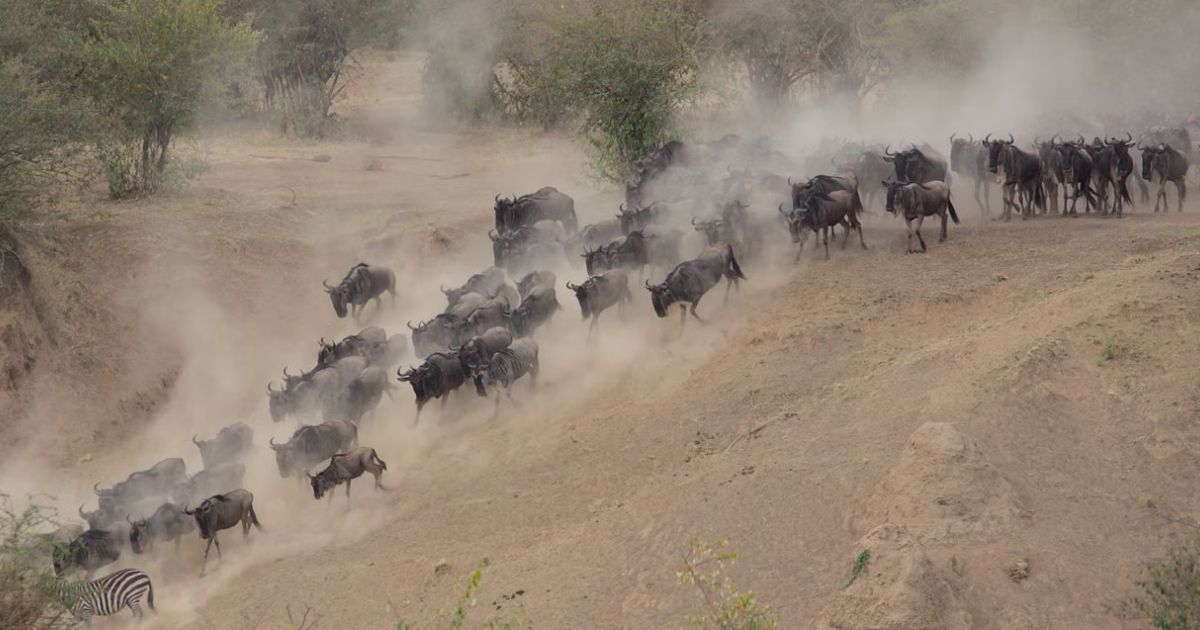
Imagine standing on the golden plains of the Maasai Mara as thousands of wildebeests thunder across the river or watching a leopard silently stalk its prey at twilight. It is the ultimate African dream, an adventure that sits at the very top of almost every traveler’s bucket list. However, before you can pack your bags and grab your binoculars, there is one crucial detail you need to map out: how do you plan for this trip financially? When planning this bucket-list adventure, understanding the Kenya Safari Cost is the very first step to turning your dream into a reality.
In this comprehensive 2026 guide, we break down exactly what influences your travel expenses and what kind of value you can expect at every tier. From navigating seasonal rate changes to avoiding hidden fees, we have you covered. For the most accurate, up-to-date planning and to book high-quality Kenya safari packages, be sure to visit www.masaiafricasafaris.com.
What Determines Your Safari Expenses?
Understanding the components that make up a safari package helps you see exactly where your investment goes. The total cost is rarely just a room rate; it is an all-inclusive bundle of experiences, logistics and conservation efforts.
-
-
Accommodation Style: Where you sleep is the biggest variable. Options range from basic dome tents to mid-range stone lodges, all the way up to ultra-luxury canvas suites featuring private plunge pools and butler service.
-
Transportation Mode: How you get from Nairobi to the wildlife reserves matters. Traveling by road in a customized safari minivan is the most economical choice. Upgrading to a 4×4 Land Cruiser adds comfort and capability, while taking domestic flights directly to the parks represents the premium tier.
-
Time of Year (Seasonality): The travel calendar dictates demand. Visiting during the world-famous Great Migration commands premium rates, whereas traveling during the rainy season offers significant discounts.
-
National Park and Conservancy Fees: Every visitor pays daily conservation fees. These fees are mandatory and go directly toward protecting the wildlife and supporting local communities.
-
Safari Duration: A short three-day sprint will naturally require a smaller budget than a leisurely two-week exploration across multiple regions.
-
Kenya National Park & Conservancy Fees Breakdown.
Park entry fees are standardized and unavoidable. In recent years, Kenya’s wildlife authorities have introduced seasonal fee structures, meaning your entry cost depends entirely on the month you travel.
Pro Tip: Private conservancies surrounding the Maasai Mara charge different fees than the main national reserve. While they often command premium rates, they offer exclusive activities like night game drives and off-road tracking that are not permitted inside the main park boundaries.
Budget Safari Experience (Entry-Level).
A budget safari Kenya experience proves that you do not need unlimited funds to witness the Big Five. This tier focuses on delivering the core wildlife experience while keeping overheads low.
What to Expect: You will typically travel in a customized pop-up roof minivan rather than a heavy-duty 4×4. Accommodation usually involves staying at standard tented camps situated just outside the main park gates. These camps provide clean, basic amenities with communal dining areas. Game drives are often conducted in larger groups, allowing travelers to split the transportation costs. It is an adventurous, straightforward way to see the country without compromising on the actual wildlife viewing.
Mid-Range Safari Experience (Comfort & Value).
The mid-range tier is the most popular choice for families and couples. It strikes the perfect balance between comfort and value, offering an upgraded experience without reaching premium luxury extremes.
What to Expect: Travelers at this tier usually ride in spacious 4×4 Land Cruisers, which handle rough terrain better and offer a smoother ride. You will stay in permanent tented camps or solid-structure lodges located inside or very close to the park boundaries. These lodges feature en-suite bathrooms, comfortable beds, swimming pools and extensive buffet meals. You benefit from smaller group sizes in the vehicles, ensuring everyone gets a window seat and plenty of space for photography.
Luxury Safari Experience (Premium Exclusivity).
If you are celebrating a honeymoon or simply want the trip of a lifetime, a luxury safari Kenya package delivers unparalleled exclusivity, exceptional service and prime locations.
What to Expect: Luxury safaris often utilize light aircraft to fly you directly from Nairobi to bush airstrips, eliminating long driving days. Accommodations are boutique, low-impact luxury camps situated in the heart of the action or within private conservancies. Tents are massive, featuring hardwood floors, massive plush beds, copper bathtubs and private viewing decks. The food is gourmet, often prepared by top-tier chefs and your game drives are conducted in custom, open-sided 4x4s with highly qualified, silver- or gold-level guides.
Transportation: Road vs. Fly-In Safaris.
How you choose to navigate between locations drastically alters your overall investment.
-
Road Safaris: This is the traditional way to see Kenya. Driving overland allows you to see the countryside, local villages and the Great Rift Valley. It is significantly more economical but requires long hours on dusty, bumpy roads.
-
Fly-In Safaris: Utilizing domestic airlines like SafariLink or AirKenya to hop between parks is the premium option. It maximizes your time spent viewing wildlife and minimizes fatigue, but commands a premium rate for the convenience and luggage weight limits.
The Impact of Seasons on Safari Pricing.
Timing is everything when budgeting for a Kenyan adventure. The tourism calendar is divided into distinct seasons that dictate pricing across the board.
Peak Season (July to October): This is the most expensive time to visit, driven almost entirely by the Great Wildebeest Migration in the Maasai Mara. The weather is dry, making animals easy to spot around water sources. Lodges charge their absolute highest rates and early booking is essential.
Shoulder Season (January to March & November to December): A fantastic time to visit for those seeking value. The weather is generally pleasant, the crowds are thinner and many mid-range and luxury lodges drop their rates to attract visitors. You still get phenomenal wildlife viewing without the peak premiums.
Green Season (April to May): This is the heavy rainy season. While some camps close entirely due to inaccessible roads, those that remain open offer their lowest rates of the year. It is a spectacular time for bird watching, lush green photography and experiencing the parks with virtually no other tourists around.
Kenya Safari Cost: Hidden Expenses to Watch Out For.
When reviewing quotes, ensure you know exactly what is included. Some packages look incredibly affordable until you realize certain essentials were left out. Always check for:
-
International Flights: Rarely included in standard package quotes.
-
Visa Fees: An eTA (Electronic Travel Authorisation) is required for most visitors entering Kenya.
-
Tips and Gratuities: It is customary to tip your driver-guide, camp staff and trackers at the end of your stay.
-
Beverages: While budget and mid-range packages include meals, alcoholic drinks and premium sodas are usually billed separately. Luxury camps, however, are often fully inclusive.
-
Optional Activities: Hot air balloon rides over the Maasai Mara, visits to local Maasai villages or specialized walking safaris carry extra charges.
How to Save Money on Kenya Safari Packages.
You do not need to sacrifice quality to find value. Here are expert strategies to optimize your budget and understand Kenya Safari Cost:
-
Travel in the Shoulder Season: Avoiding the peak migration months instantly reduces your accommodation costs while still providing excellent game viewing.
-
Join a Group: Booking a group-joining safari allows you to share the vehicle and fuel costs with other travelers, significantly lowering your individual contribution.
-
Mix and Match Tiers: Spend your first few nights in a standard mid-range lodge and splurge on a high-end luxury camp for your final two nights to get a taste of both worlds.
-
Book Directly with Local Experts: Working directly with local operators like www.masaiafricasafaris.com removes international middleman commissions, ensuring more of your money goes directly into the experience.
10. Frequently Asked Questions (FAQs) About Kenya Safari Cost.
1. How much is a typical 7-day Kenya safari?
The total depends entirely on your chosen tier. A budget camping trip requires the lowest investment, a comfortable mid-range lodge tour sits in the moderate tier and a fly-in luxury experience requires a premium, top-tier budget.
2. What is the Maasai Mara entry fee for 2026?
The Maasai Mara operates on a seasonal fee structure. You will pay a premium rate during the high season (the migration months) and a discounted rate during the low (green) season.
3. Are tips included in the Kenya safari cost?
Generally, no. Tipping is considered a standard expression of gratitude for good service. It is highly recommended to budget extra cash to tip your driver-guide and the camp staff at the end of your stay.
4. Which is cheaper: a safari in Kenya or Tanzania?
Both countries offer similar wildlife experiences, but Kenya often has a slight edge for affordability due to a higher concentration of budget-friendly accommodation options and slightly lower logistical costs between Nairobi and the main parks.
5. Can I do a self-drive safari in Kenya to save money?
While self-driving is possible, it is rarely recommended for first-time visitors. Navigating unmarked dirt roads, dealing with potential breakdowns and understanding animal behavior requires expertise. Hiring a professional driver-guide adds immense value and safety to your trip.
6. What is a “conservancy fee”?
If you stay in a private conservancy adjacent to a national park, you pay a daily fee to that specific conservancy. This money goes directly to the local landowners (often Maasai communities) and funds anti-poaching and conservation efforts.
7. Do children pay the same safari price as adults?
Most lodges and camps offer discounted rates for children under the age of 12 when sharing a room with adults. Park entry fees are also significantly lower for children.
8. Is the Great Migration worth the extra peak-season cost?
Witnessing millions of animals traversing the plains and crossing crocodile-infested rivers is a phenomenal, world-class spectacle. If seeing this specific event is your lifelong dream, the premium pricing is absolutely worth the investment.
9. What animals can I see on a Maasai Mara safari booking Kenya?
The Maasai Mara is famous for its dense predator population, including lions, leopards and cheetahs. You can also expect to see elephants, giraffes, buffalo, hippos, crocodiles and diverse antelope species year-round.
10. How do I book a reliable Kenya safari package?
The best approach is to partner with established, reputable local experts who understand the terrain, the seasons and the best lodges. For customized itineraries and competitive rates, visit www.masaiafricasafaris.com to start planning your adventure.
Conclusion: Kenya Safari Cost for 2026.
Ultimately, determining your Kenya Safari Cost for 2026 is less about the price tag and more about the value of the memories you will carry for a lifetime. Whether you choose a rugged, adventurous journey through the wild or an indulgent, high-end escape into luxury, the true reward lies in the raw, unfiltered connection with nature that only Kenya can provide.
A safari is not just a vacation; it is a transformative experience. By partnering with local experts who understand the nuances of the terrain, the seasonal migration patterns and the best hidden gems, you ensure that your trip is optimized for your specific interests and preferences. You don’t have to navigate the complexities of booking and logistics alone—the right support makes all the difference in turning a standard itinerary into a seamless, unforgettable adventure.
Stop wondering about the possibilities and start turning them into a plan. Your dream of witnessing the majesty of the African savannah is within reach. Visit www.masaiafricasafaris.com today to get a customized itinerary that aligns perfectly with your vision and budget. Let us help you craft the adventure of a lifetime—your Kenyan journey awaits.