

Have you ever dreamed of exploring a pristine wilderness where rare animals roam freely under the warm African sun? A Samburu Safari Kenya offers exactly this magical experience. Located in the rugged, semi-arid landscapes of northern Kenya, this destination provides a peaceful and highly exclusive adventure away from the heavy crowds. Whether you are looking for unique wildlife, rich cultural encounters or a quiet escape into nature, you can plan the perfect getaway with www.masaiafricasafaris.com.
Why Choose Samburu National Reserve?
When most people think of a wildlife safari Kenya, their minds immediately go to the famous Masai Mara or Amboseli. While those parks are spectacular, Samburu National Reserve offers something entirely different and profoundly special. The landscape is dramatic, characterized by red dirt, acacia trees, doum palms and striking rocky outcrops. It feels untamed, wild and deeply authentic.
At the heart of this arid paradise is the Ewaso Nyiro River. This permanent water source is the lifeblood of the reserve. During the dry season, the river draws thousands of animals to its banks, creating a spectacular arena for African wildlife viewing. Elephants bathe in the cooling brown waters, crocodiles bask on the sandy shores and predators wait patiently in the thick riverine forests.
Another major advantage of choosing this northern circuit is the exclusivity. Because it is further from Nairobi than some of the other popular parks, it receives fewer visitors. This means you can enjoy long game drives without sharing your sightings with dozens of other vehicles. It is the perfect destination for photographers, nature lovers and anyone seeking the best safari in Kenya with a touch of tranquility.
Meet The Unique Wildlife of Northern Kenya.
The wildlife in this region is spectacular and highly adapted to the dry, hot climate. While the reserve is smaller than other national parks, the concentration of animals along the riverbanks makes game viewing incredibly rewarding. You will have the opportunity to see massive herds of elephants, often numbering in the hundreds, making their way to the river to drink and play.
Predator sightings are also frequent and thrilling. Lions, leopards and cheetahs thrive in this environment. Leopards, in particular, are often spotted resting in the thick branches of the acacia and doum palm trees that line the river. For bird watchers, the reserve is a true paradise. With over 390 recorded bird species, including the striking vulturine guineafowl, martial eagles and lilac-breasted rollers, there is always something colorful to spot in the sky or the bushes.
However, the crowning glory of this ecosystem is a group of rare, endemic animals that you will not easily find in the southern parks. These creatures have adapted uniquely to the harsh, dry environment of northern Kenya and they are the primary reason many travelers book Kenya safari packages to this specific destination.
The Famous Samburu Special Five.
A Samburu Safari Kenya is never complete without searching for the “Special Five.” These are five rare and distinct species that are native to this arid region. Spotting all of them is a rewarding challenge for any safari enthusiast.
1. The Reticulated Giraffe.
Unlike the Masai giraffe found in southern Kenya, the reticulated giraffe has a striking, highly geometric coat. Its pattern consists of large, liver-colored polygonal patches separated by bright, crisp white lines. They are a breathtaking sight against the dry, red earth of the reserve, often seen stretching their long necks to feed on the thorny acacia branches.
2. Grevy’s Zebra.
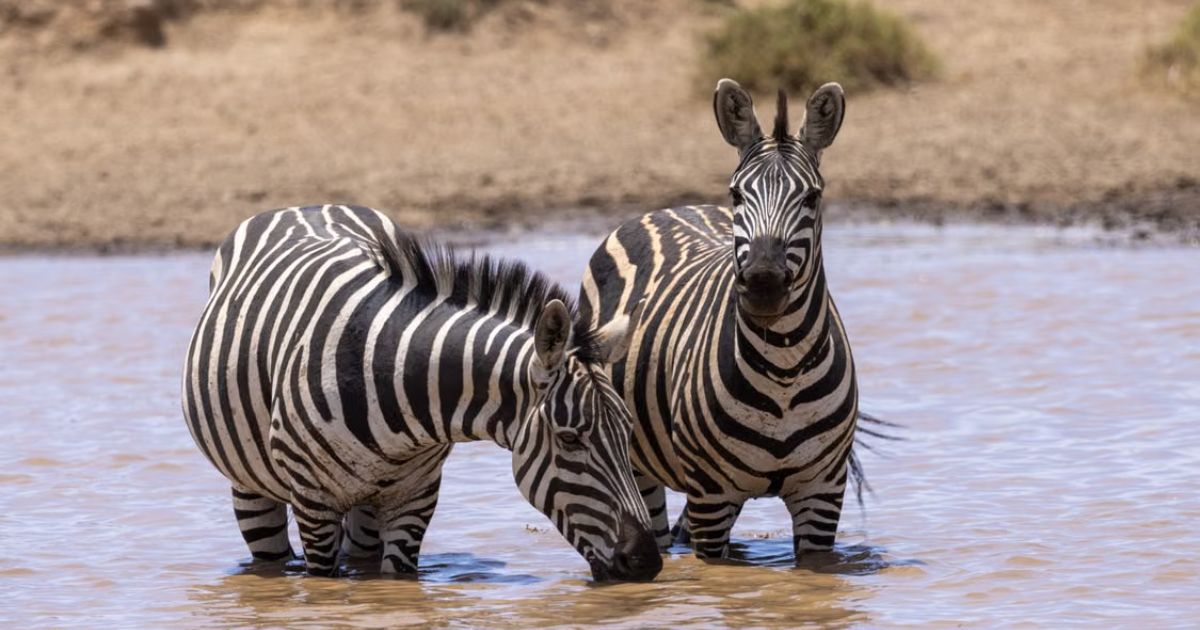
The Grevy’s zebra is the largest and most endangered species of zebra in the world. You can easily distinguish them from the common plains zebra by their tall, large, rounded ears and their beautiful, narrowly spaced pinstripes that do not extend to their pure white bellies. They are highly adapted to the desert and can survive for days without drinking water.
3. The Gerenuk.
Often referred to as the “giraffe gazelle,” the gerenuk is an incredibly unique antelope with an elongated neck and disproportionately small head. What makes them truly special is their feeding habit. They are known to stand entirely upright on their hind legs, using their front hooves to pull down high branches so they can reach the freshest green leaves.
4. The Beisa Oryx.
The Beisa oryx is a robust, magnificent antelope heavily built for desert survival. Both males and females carry long, dangerously sharp, straight horns that can reach up to a meter in length. They have a striking greyish coat with bold black-and-white facial markings and a distinct black stripe running down their lower flanks.
5. The Somali Ostrich.
While you might have seen ostriches before, the Somali ostrich is visually distinct. During the mating season, the neck and the thighs of the male turn a vivid, striking blue color, unlike the pinkish hue seen on the Masai ostrich. They are perfectly suited to the arid bushland and add a fantastic pop of color to the dusty plains.
Best Time to Visit for Maximum Wildlife Viewing.
Planning the timing of your trip is crucial for the best experience. While the reserve is open year-round, the climate greatly influences animal movements and visibility. When organizing your trip through www.masaiafricasafaris.com, it helps to understand the different seasons.
- The Dry Season (June to October, December to March): This is widely considered the absolute best time to visit. During these dry months, the thick bush thins out, making it much easier to spot animals from a distance. More importantly, the smaller watering holes dry up, forcing all the wildlife to congregate along the permanent Ewaso Nyiro River. This concentration of animals provides non-stop action and high-quality predator-prey sightings.
- The Wet Season (April to May, November): These months bring the rains, which transform the dry red earth into a lush, vibrant green landscape. While the thick vegetation and dispersed water sources make wildlife harder to spot, the scenery is incredibly beautiful. This is also the best time for bird watching, as migratory birds arrive, and many species are in their breeding plumage. Furthermore, you will enjoy the reserve almost entirely to yourself during this quiet period.
Understanding Safari Costs and Budgeting.
When planning your dream adventure, it is important to understand how pricing works. Because the travel industry fluctuates, actual cost figures change with time depending on park fee adjustments, fuel costs and global economic factors. Instead of looking for exact numerical prices, it is wiser to understand the variables that will influence your overall budget. For the most accurate and up-to-date quotations, checking directly with www.masaiafricasafaris.com is highly recommended.
Factors Influencing Your Trip Cost:
- Seasonality: Traveling during the peak season (July to October) generally requires a higher budget due to immense demand across the country. If you want to save money, consider visiting during the shoulder seasons (January to March) or the low season (April to May), where accommodation rates often drop significantly.
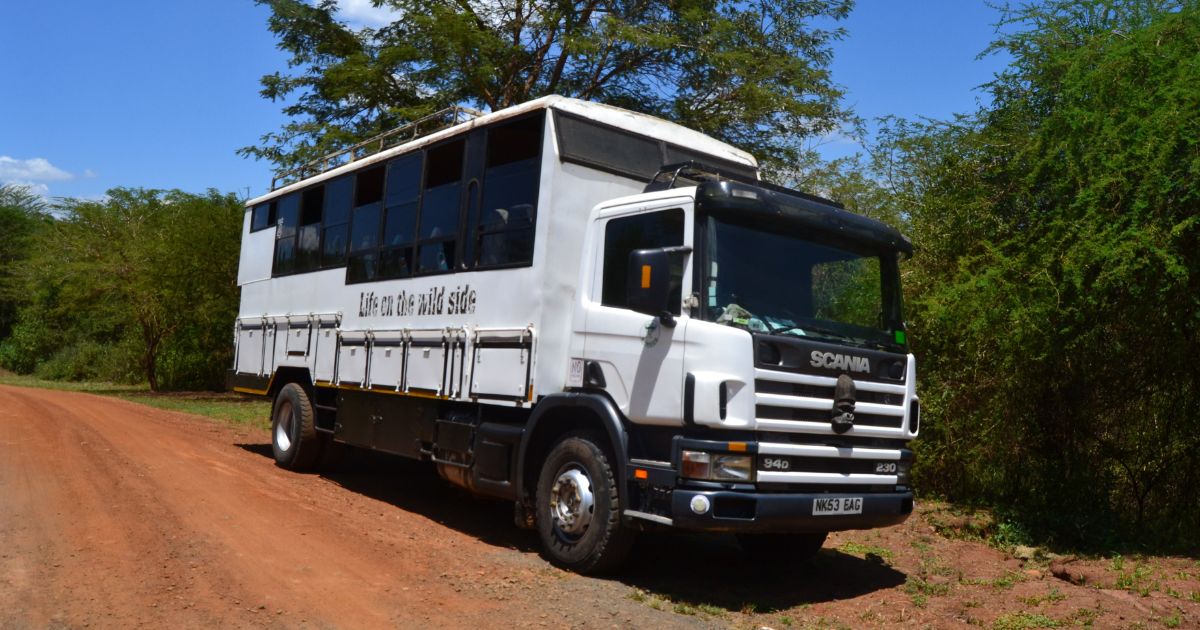
- Mode of Transport: The way you get to the reserve affects your wallet. Opting for scheduled flights from Nairobi to a local airstrip is convenient and fast, but it falls into the premium price category. Driving from Nairobi in a customized safari minivan is the most budget-friendly option, while using a 4×4 Land Cruiser offers a mid-range to luxury balance of rugged comfort and cost.
- Accommodation Style: Northern Kenya offers everything from basic public campsites to ultra-luxurious, exclusive tented lodges situated right on the riverbank. The level of luxury, dining options and added amenities (like plunge pools and spa services) will dictate your nightly rate.
- Duration of Stay: Naturally, a three-day safari will cost less than a comprehensive seven-day exploration. However, longer stays often allow you to negotiate better per-night rates at certain lodges.
Top Activities to Experience During Samburu Safari Kenya.
A Samburu Safari Kenya is action-packed. Beyond simply looking through a window, there are numerous ways to engage with the environment. Working with top Kenya tour operators will ensure your itinerary is filled with unforgettable moments.
- Guided Game Drives: The classic way to explore. You will head out in the early morning and late afternoon when the animals are most active. Your experienced guide will track footprints, listen to warning calls from birds and position your vehicle perfectly for photography.
- Cultural Visits to Samburu Villages: The Samburu people are closely related to the Maasai, sharing a similar language and nomadic lifestyle. Visiting a local village provides an authentic look into their traditions, brightly colored beadwork and deep connection to the land. It is a mutually beneficial experience that directly supports the local community.
- Bird Watching: With hundreds of species, birding here is spectacular. Ask your guide to take you slowly along the riverine forests where colorful kingfishers, bee-eaters and majestic birds of prey reside.
- Sundowners: Many luxury packages include a “sundowner.” This is a cherished safari tradition where your guide sets up a mini-bar in the wild. You can enjoy a cold drink and snacks while watching the African sun dip below the horizon, painting the sky in fiery oranges and purples.
Where to Stay: Accommodation Options.
Finding the right place to rest after a long day of exploration is key to a successful trip. The accommodation options cater to a wide variety of tastes and comfort levels.
For those seeking ultimate luxury, there are premium tented camps located directly along the Ewaso Nyiro River. These properties offer massive canvas tents with hardwood floors, en-suite bathrooms and private decks where you can watch elephants drink from the river while you sip your morning coffee. Mid-range lodges offer comfortable brick-and-mortar rooms, large swimming pools to cool off in the afternoon heat and excellent buffet meals. For the more adventurous, budget-friendly mobile camping setups allow you to sleep under the stars, deeply connected to the sounds of the African bush.
How to Get to the Reserve.
Reaching this remote northern wilderness is part of the adventure. There are two primary ways to access the reserve from Kenya’s capital, Nairobi.
If you prefer to hit the ground running, flying is the best option. Daily scheduled flights depart from Wilson Airport in Nairobi and land at the various airstrips scattered around the reserve. The flight takes roughly an hour and offers incredible aerial views of Mount Kenya and the changing landscapes.
Alternatively, a road trip provides a fantastic opportunity to see the country. The drive takes about five to six hours on well-maintained tarmac roads, eventually transitioning into rougher terrain as you approach the park gates. The route takes you through the lush, green agricultural highlands of central Kenya, past the equator and into the striking, semi-arid northern frontier.
Conclusion: Samburu Safari Kenya.
Embarking on a Samburu Safari Kenya is a decision that will leave you with memories to last a lifetime. From the thrill of spotting the rare Samburu Special Five to the peaceful moments watching the Ewaso Nyiro River flow through the dusty landscape, this destination is truly one of Africa’s greatest hidden gems. It offers the perfect blend of high-action wildlife viewing, stunning scenery, and rich cultural heritage. Because prices change with time, careful planning is essential. Ensure your trip is flawlessly executed by partnering with trusted experts. Head over to www.masaiafricasafaris.com to start crafting your personalized, unforgettable journey into the heart of wild Kenya today.
10 Frequently Asked Questions on Samburu Safari Kenya.
1. What is a Samburu Safari Kenya?
It is a wildlife and cultural tour in the Samburu National Reserve, located in the dry, semi-arid region of northern Kenya. It is famous for its unique landscapes, the Ewaso Nyiro River and rare animal species not found easily in southern parks.
2. What are the Samburu Special Five?
These are five distinct, rare animals endemic to the northern ecosystem: the reticulated giraffe, Grevy’s zebra, gerenuk, Beisa oryx and Somali ostrich.
3. Is it possible to see the Big Five in Samburu?
You can easily see elephants, lions, leopards, and buffaloes. However, rhinos are virtually absent from the reserve itself. If you wish to see rhinos, you can combine your trip with a visit to the nearby Ol Pejeta Conservancy.
4. When is the best time to visit for wildlife viewing?
The dry seasons, from June to October and December to March, are the best times. The vegetation is thin and animals gather around the river, making them much easier to spot.
5. How much does the safari cost?
Costs vary widely depending on the season, your mode of transport and your choice of accommodation (from budget tents to luxury lodges). Because specific prices change with time, it is best to request a current, tailored quote from www.masaiafricasafaris.com.
6. How many days should I spend in the reserve?
A minimum of 3 days and 2 nights is recommended. However, to truly explore the vast landscape without rushing, a 4-day or 5-day itinerary is ideal.
7. Is it safe to travel to northern Kenya?
Yes, the national reserve is very safe for tourists. You will always be accompanied by highly trained, professional guides who understand animal behavior and the local terrain.
8. Can I travel with my children on this trip?
Absolutely! It is a fantastic family destination. Many lodges have family tents and swimming pools and the unique animals provide incredible educational opportunities for children.
9. What should I pack for this specific climate?
Pack lightweight, breathable clothing in neutral safari colors (khaki, green, brown). Also, bring a wide-brimmed hat, strong sunscreen, sunglasses and a warm jacket, as the early morning game drives can be surprisingly chilly.
10. How do I book the best itinerary?
For a hassle-free, fully optimized experience tailored to your exact needs, book through experienced professionals. Visit www.masaiafricasafaris.com to design an itinerary that covers the best wildlife spots, luxurious accommodations and seamless transport.