

Imagine stepping out of a traditional classroom and into the heart of the African savannah, where lessons on biology, ecology and history come alive right before your eyes. For schools and universities seeking immersive learning, Student Safari Packages in Kenya offer the perfect blend of adventure and academic enrichment.
Whether you are organizing a trip for high school teenagers or coordinating a complex university research tour, meticulous planning makes all the difference. At www.masaiafricasafaris.com, we specialize in crafting custom-tailored itineraries that prioritize safety, education and unforgettable fun. In this comprehensive guide, we will explore the best wildlife destinations, engaging curriculum-linked activities and practical group travel options to ensure your next school trip is a resounding success.
Why Kenya is the Ultimate Destination for Educational Travel.
Kenya is universally recognized as the cradle of humanity and the traditional home of the authentic African safari. For students, the country serves as a massive, open-air laboratory. From the dramatic escarpments of the Great Rift Valley to the coastal shores of Mombasa, the geographical diversity offers endless learning opportunities.
1. Real-World Application of Classroom Theories.
Subjects like geography, environmental science and biology are no longer just abstract concepts found in textbooks. Through educational tours in Kenya, students get to see complex ecosystems functioning in real time. They can study the symbiotic relationships between different animal species, observe predator-prey dynamics on the open plains and understand the real-world impact of climate change on delicate natural habitats.
2. Cultural Immersion and Global Citizenship.
Beyond wildlife, Kenya offers a rich tapestry of indigenous cultures. Interacting with local communities, such as the Maasai or Samburu people, teaches students about sustainable living, traditional conservation methods and vibrant cultural heritage. This kind of exposure fosters global citizenship, teaching young minds empathy, respect and an appreciation for human diversity.
3. Uncompromising Safety and Professionalism.
Safety is always the primary concern for parents, teachers and school administrators. Kenya boasts a well-established tourism infrastructure with highly trained, professional safari guides. Experienced tour operators ensure that every aspect of the trip—from secure transportation to vetted accommodation—meets strict safety protocols. By booking through trusted local experts like www.masaiafricasafaris.com, educational institutions can rest assured that their students are in safe, capable hands.
Top Destinations for Student Safari Packages in Kenya.
Choosing the right geographical locations is crucial for maximizing the educational value of the trip. Here are the top destinations that frequently feature in highly rated student safari itineraries.
1. Masai Mara National Reserve.
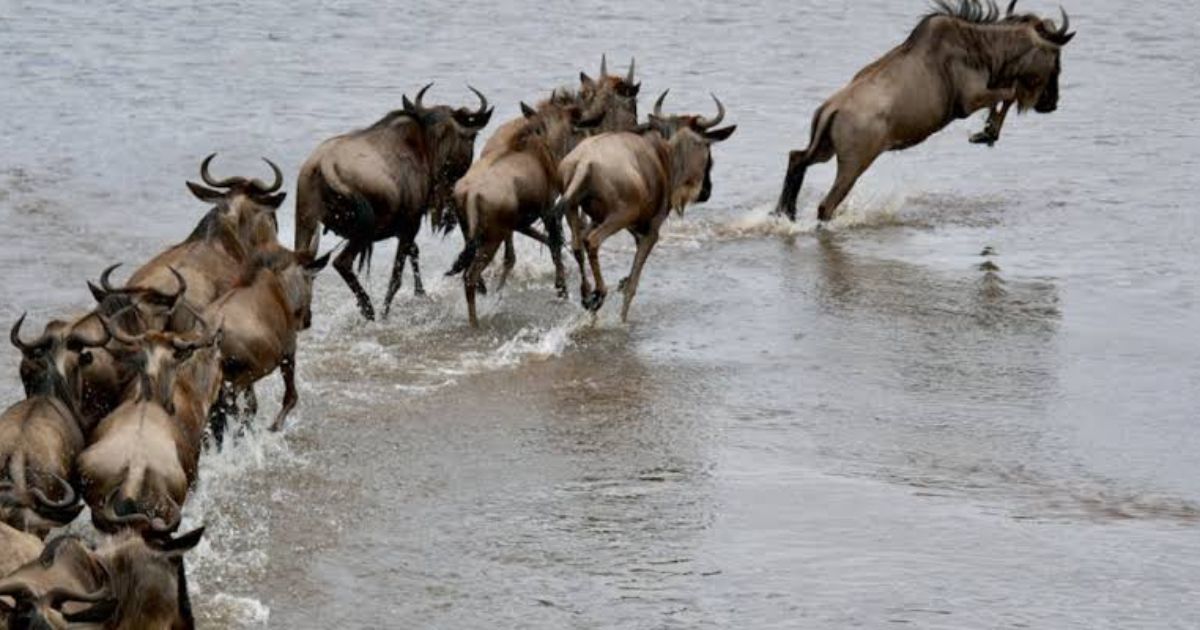
The Masai Mara is undoubtedly the crown jewel of Kenya’s wildlife sanctuaries. Famous globally for the annual wildebeest migration, it offers an incredible spectacle of nature that leaves a lasting impression on young minds.
For biology and ecology students, the Mara is the absolute perfect place to study mammalian behavior, herd dynamics and the critical role of apex predators like lions, leopards and cheetahs. Furthermore, the reserve provides opportunities to learn about community-based conservation initiatives, where local Maasai communities work hand-in-hand with wildlife authorities to protect the fragile ecosystem.
2. Hell’s Gate National Park.
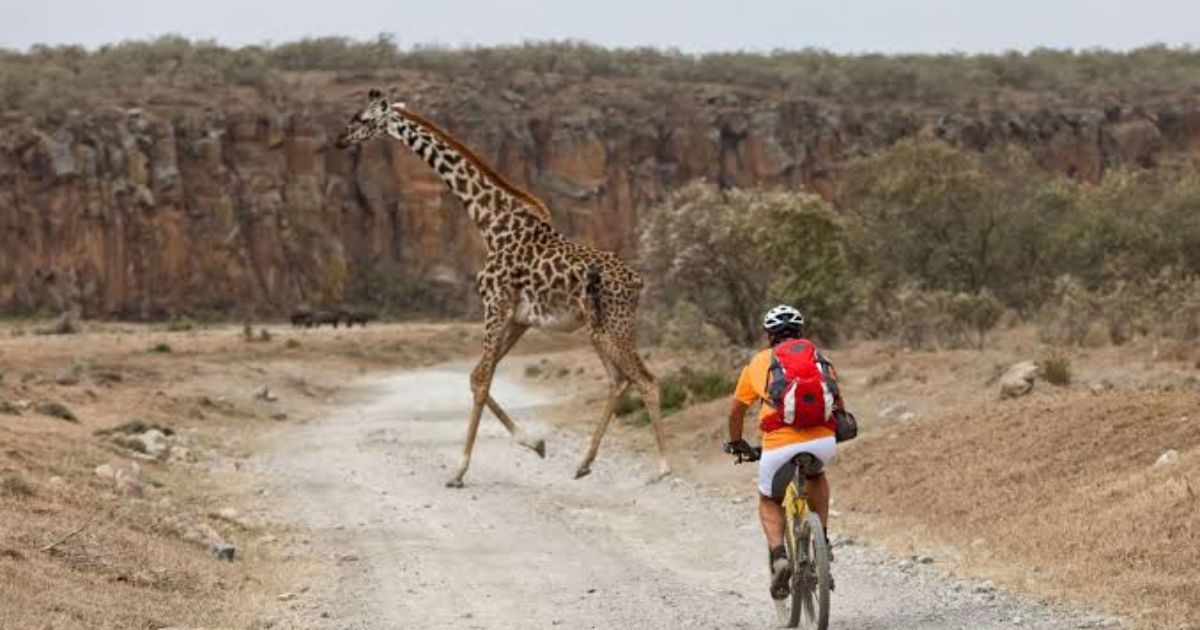
Located deep within the Great Rift Valley, Hell’s Gate is unique because it is one of the few national parks in Kenya where visitors are allowed to walk or cycle among the wildlife. The park is famous for its dramatic scenery, including towering cliffs, water-gouged gorges and stark rock towers.
Hell’s Gate is an exceptional destination for geography and geology students. They can study geothermal activity firsthand, as the park is home to the Olkaria Geothermal Station, which generates sustainable, renewable energy for the country. The active elements, such as hiking through the gorge or taking a bicycle safari, add physical education and team-building components to the trip.
3. Lake Nakuru National Park.
Lake Nakuru is a shallow alkaline lake situated in the Rift Valley, renowned for its spectacular birdlife and vibrant flocks of flamingos that occasionally paint the shores pink. Importantly, it is also a highly successful and heavily protected rhinoceros sanctuary, making it a critical stop for university educational tours studying wildlife conservation.
Students visiting Lake Nakuru can learn directly about the severe challenges of protecting endangered species. They can study the physical and behavioral differences between black and white rhinos, understand the ongoing threats posed by poaching and observe the park’s management efforts to maintain a balanced ecosystem. The diverse habitats, ranging from marshlands to rocky escarpments, provide a rich environment for field studies.
4. Amboseli National Park.
If a curriculum aims to teach students about the majestic African elephant, Amboseli National Park is the definitive classroom. Known for its large herds of free-ranging elephants, the park offers some of the best opportunities in the world to get up close to these highly intelligent creatures.
Set against the breathtaking, snow-capped backdrop of Mount Kilimanjaro, Amboseli provides a stunning visual context for learning. Students can engage with principles developed by researchers from local elephant trusts, gaining insights into elephant communication, family structures and modern conservation strategies. The park’s varied landscapes, from dry, dusty lake beds to lush, green swamps, also offer excellent lessons in geography and climate adaptation.
5. Nairobi City: The Wildlife Capital.
Nairobi is unique as the only major capital city in the world with a national park completely within its borders. For high school trips to Kenya with limited time, Nairobi offers an incredible array of educational attractions without the need for long-distance cross-country travel.
Key educational stops often include the David Sheldrick Wildlife Trust, where students can learn about the intricate process of elephant rescue and rehabilitation. The Giraffe Centre offers vital lessons on the endangered Rothschild’s giraffe, allowing students to feed them from an elevated platform. Additionally, the Nairobi National Museum provides comprehensive exhibits on Kenya’s history, paleontology and cultural heritage, making it a must-visit for history and science classes alike.
Engaging Educational Activities on Safari.
A successful student trip is never just about passive observation from the window of a vehicle; it is about active, hands-on participation. Student Safari Packages in Kenya incorporate a wide variety of interactive activities that keep learners fully engaged.
- Guided Nature Walks: Accompanied by armed rangers and expert naturalists, students leave the vehicles behind to learn how to identify animal tracks, study traditional medicinal plants and understand the complex micro-ecosystems of insects and birds.
- Wildlife Conservation Workshops: Interactive sessions with local conservationists teach students about dedicated anti-poaching efforts, human-wildlife conflict resolution and the global importance of preserving natural habitats.
- Cultural Exchange Programs: Visiting traditional villages allows students to step into another world. They can participate in traditional beadwork, learn ancestral dances, and understand the daily lives and challenges of pastoralist communities.
- Tree Planting and Environmental Clean-ups: Many comprehensive itineraries include community service projects. Giving students a chance to leave a positive, tangible impact on the environments they visit fosters a sense of responsibility.
- Photography and Journaling: Encouraging students to systematically document their journey through wildlife photography, sketching or creative writing helps them process their experiences and dramatically sharpens their observation skills.
Structuring Group Travel Options and Logistics.
Organizing an international trip for a large group of students requires meticulous logistical planning. Trusted tour operators offer flexible, scalable group options tailored exactly to the specific needs, ages and sizes of schools and universities.
1. Small Group Educational Tours.
For specialized university research programs, advanced biology classes or smaller high school clubs, small group tours offer a highly personalized and intense learning experience. Traveling in specialized 4×4 safari land cruisers, students get unobstructed, 360-degree views of the wildlife and closer, more personal interactions with their expert guides. This setup is ideal for focused subjects like wildlife photography, specific ecological data collection or advanced biological studies.
2. Large School Excursions.
For entire classes or large grade levels traveling together, operators utilize larger, customized safari buses. These robust vehicles are designed for maximum comfort and safety on rugged Kenyan roads. When planning for large groups, logistics must be synchronized perfectly. Meals are organized in spacious, hygienic dining areas and educational activities are often conducted in smaller, manageable sub-groups to ensure every single student gets a high-quality, hands-on experience without feeling crowded.
3. Budget-Friendly Accommodation.
Accommodation is frequently the largest variable factor in the overall cost of a school trip. To keep Student Safari Packages in Kenya affordable for families without ever compromising on safety or hygiene, expert operators offer several strategic options:
- Secure Camping Sites: Budget camping safaris are incredibly popular for active students. They offer a true sense of outdoor adventure, with students sleeping in durable, weather-proof tents within secure, guarded campsites. This style of travel inherently encourages teamwork and self-reliance, as students often help with setting up camp and organizing gear.
- Student Hostels and Dormitories: Many established lodges and national park camps have dedicated dormitory-style rooms designed specifically for school groups. These provide a comfortable, structurally secure and highly cost-effective alternative to luxury private tents.
- Mid-Range Eco-Lodges: For universities or older students requiring more facilities, eco-lodges provide a comfortable stay while doubling as a teaching tool. Students learn valuable, practical lessons about sustainable tourism, solar energy implementation, waste management and water conservation.
Planning Tips for Teachers and Organizers.
Planning an international educational trip can seem daunting to school administrators. Here are some essential, expert tips to ensure everything goes smoothly from departure to return.
1. Define Clear Educational Objectives.
Before looking at any itineraries, firmly determine what you want the students to achieve. Are you focusing on biology, physical geography or cultural history? Share these specific academic goals directly with your tour operator, such as www.masaiafricasafaris.com, so they can perfectly tailor the itinerary, select the most relevant national parks, and arrange appropriate local guest speakers.
2. Choose the Right Time to Visit.
Kenya is a fantastic year-round destination, but the timing can significantly affect the specific type of experience. The dry seasons are generally best for easy wildlife viewing as animals congregate predictably around shrinking water sources. If witnessing the Great Migration in the Masai Mara is a top priority for your syllabus, you must plan your trip between July and September.
3. Prepare the Students Thoroughly.
Hold mandatory pre-departure orientations for both students and parents to discuss safety rules, cultural etiquette, and realistic expectations of being on safari. Ensure all students have the necessary travel documents well in advance, including passports, visas and valid international student IDs, which are often strictly required to secure discounted educational park entry fees.
4. Pack Smart and Light.
Students should pack comfortable, neutral-colored clothing (like khaki, green, or brown) suitable for layering. Early mornings and late evenings in regions like the Great Rift Valley can be surprisingly chilly, while midday temperatures are warm. Essential items include sturdy, broken-in walking shoes, a wide-brimmed sun hat, high-SPF sunscreen, effective insect repellent and a good pair of binoculars for spotting distant wildlife.
5. Partner with a Reputable Local Operator.
The ultimate success of the trip relies entirely on the expertise and reliability of your chosen tour operator. Ensure they have proven experience handling large student groups, possess a flawless safety record and employ highly knowledgeable, patient guides who know how to communicate effectively with young learners.
The Impact of Educational Safaris.
The benefits of participating in Student Safari Packages in Kenya extend far beyond the brief duration of the trip itself. Students invariably return home with a significantly broader perspective of the world. They develop a deeper, more personal appreciation for nature, a heightened awareness of pressing global environmental issues and a renewed, vibrant enthusiasm for classroom learning.
These immersive trips frequently spark lifelong passions, directly guiding students toward future careers in environmental science, veterinary medicine, anthropology or sustainable development. It is a profound investment in their future, providing them with vivid memories and practical lessons that will resonate for a lifetime.
Frequently Asked Questions (FAQs) on Student Safari Packages in Kenya.
1. What exactly are Student Safari Packages in Kenya?
Student Safari Packages in Kenya are carefully curated, specialized educational tours designed specifically for high schools, colleges and universities. They seamlessly combine traditional wildlife viewing with curriculum-linked learning, meaningful cultural interactions and hands-on conservation activities.
2. How can our school book a group trip with www.masaiafricasafaris.com?
You can easily begin the planning process by visiting www.masaiafricasafaris.com and contacting their dedicated student group travel coordinators. They will work closely with your faculty to customize an itinerary that perfectly fits your academic goals, timeframes and group size.
3. Are student safaris in Kenya safe for young teenagers and children?
Absolutely. Safety is always the top priority. Reputable operators use rigorously maintained vehicles, employ highly trained and thoroughly vetted guides and select secure, age-appropriate accommodations. Detailed risk assessments are a standard procedure for all educational tours.
4. What is the best time of year to schedule a school trip to Kenya?
The dry seasons are excellent for general wildlife viewing. However, educational itineraries can be successfully adapted year-round depending on your school’s specific holiday schedule and academic focus, as different seasons offer different learning opportunities.
5. Which national parks are typically included in Student Safari Packages in Kenya?
While itineraries are custom-built, popular educational destinations include the Masai Mara National Reserve, Lake Nakuru National Park, Hell’s Gate National Park, Amboseli National Park and various specialized wildlife conservation centers within Nairobi.
6. Can university students participate in these group safaris?
Yes, itineraries can be highly tailored for higher education levels. University packages often incorporate complex field research opportunities, specialized ecological data collection and advanced conservation workshops that align with degree requirements.
7. What kind of activities are featured in student packages?
Activities go far beyond standard game drives to include guided nature walks, thrilling bicycle safaris, educational visits to local Maasai villages, tree-planting initiatives and interactive Q&A sessions with leading wildlife conservation experts.
8. What type of accommodation is provided for student groups?
Options vary entirely based on the school’s preferences and requirements. They range from secure, budget-friendly camping sites and practical dormitory-style hostels to comfortable mid-range eco-lodges that can safely and easily accommodate large groups.
9. Are these educational trips aligned with standard school curriculums?
Yes, professional tour operators purposely design the tours to directly align with major international curriculums, such as the IGCSE, as well as local frameworks like the CBC, ensuring the trip is genuinely academically enriching rather than just a simple holiday.
10. Do students need special permits or identification for educational tours?
Students should always carry valid international student identity cards and official school IDs. Professional tour operators like www.masaiafricasafaris.com will efficiently handle all the necessary park entry permits, governmental permissions and logistical paperwork on behalf of the school.
Conclusion on Student Safari Packages in Kenya.
Embarking on a school trip to East Africa is a transformative journey that completely redefines the concept of learning. By choosing comprehensive Student Safari Packages in Kenya, educators provide their students with a dynamic, interactive environment where theoretical textbooks come vividly alive. From tracking majestic elephants in the shadow of Kilimanjaro in Amboseli to understanding the power of geothermal energy in the gorges of Hell’s Gate, every single moment is an unparalleled opportunity for discovery.
Careful, proactive planning, selecting the most educational destinations and partnering with experienced local professionals are the absolute keys to a flawless, successful educational tour. Are you ready to inspire the next generation of global citizens, biologists and conservationists? Start planning a safe, affordable and unforgettable educational adventure today by exploring the fully customized group options available at www.masaiafricasafaris.com.