

Have you ever wanted to witness nature’s most colorful and diverse airborne displays? A Bird Watching Safari Kenya is an unforgettable adventure for both seasoned ornithologists and casual nature lovers. Kenya hosts an incredible variety of ecosystems, making it one of the absolute best destinations in the world for birding. If you want to explore the finest birding trails, our expert team at www.masaiafricasafaris.com is ready to craft the perfect itinerary tailored to your preferences.
Why Choose Kenya for a Birding Safari?
Kenya is globally recognized as an avian paradise. The country has recorded over 1,100 distinct bird species. To put that into perspective, Kenya has the second-highest number of bird species in Africa, surpassed only by the Democratic Republic of Congo.
The sheer volume of birds is driven by the country’s diverse biomes and position along major migratory flyways. There are resident birds that you can see year-round, as well as seasonal migratory species. Palearctic migrants flock to Kenya from Europe and Asia, while intra-African migrants move across the continent to breed and feed.
Because birding in Kenya is so spectacular, the country once held the world record for the highest number of bird species spotted in a single 24-hour period—an astounding 342 species! Booking a specialized trip with www.masaiafricasafaris.com ensures you are placed in the right parks at the exact right time to maximize your checklist.
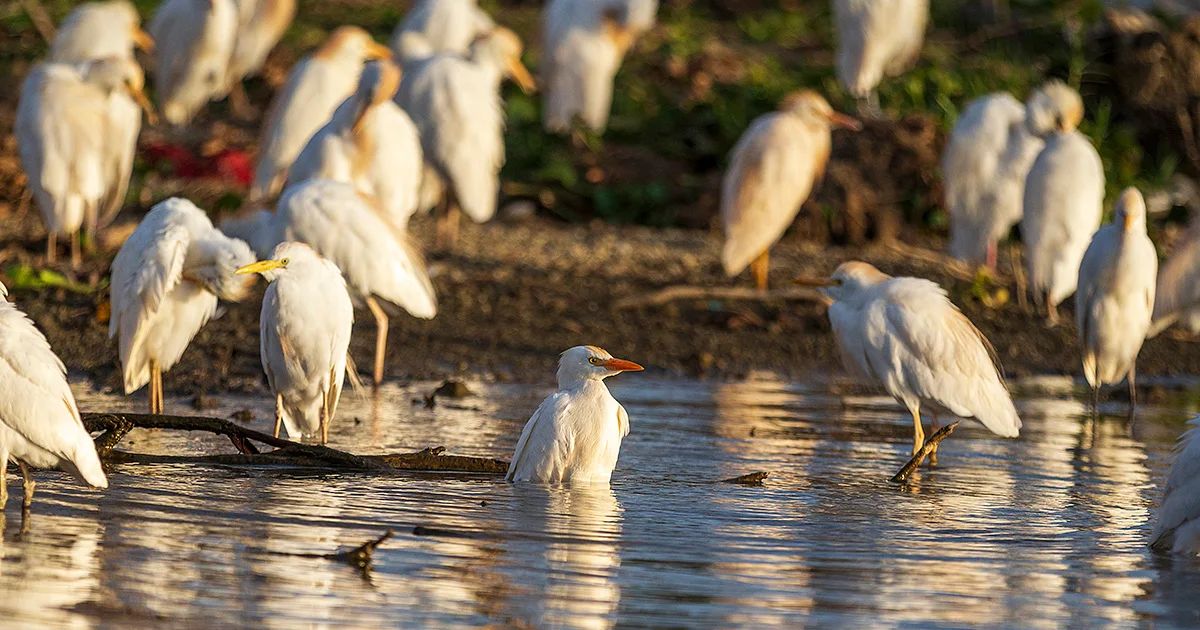
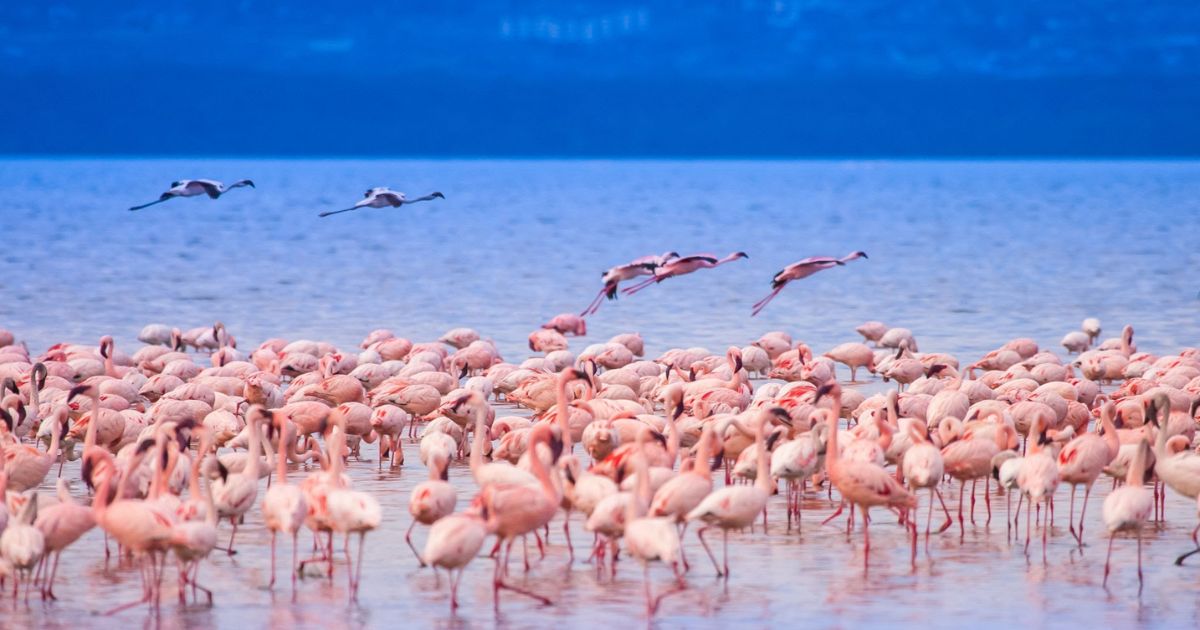
The Best Parks and Reserves for Birdwatching in Kenya.
To get the most out of your trip, it is vital to visit a mix of habitats. Here are the top destinations you must include in your birding itinerary.
1. Lake Nakuru National Park.
Often referred to as a birdwatcher’s paradise, Lake Nakuru is world-famous for the massive flocks of Lesser and Greater Flamingos that gather to feed on the alkaline waters’ cyanobacteria.
Beyond the iconic pink sea, the park is home to over 400 species of birds. The acacia woodlands and marshy areas around the lake provide excellent habitats for the African Fish Eagle, Goliath Heron, Hamerkop and various pelicans and kingfishers.
2. Lake Naivasha.
Just a short drive from Nakuru, Lake Naivasha is a freshwater lake offering a completely different birding dynamic. The lake is surrounded by thick papyrus swamps and yellow fever tree forests. It is an incredibly serene location to take a boat safari.
Naivasha is famous for its dense population of African Fish Eagles, whose distinctive calls echo across the water. You will also easily spot Jacanas trotting across lily pads, colorful Malachite Kingfishers, Ospreys and large flocks of Pelicans.
3. Masai Mara National Reserve.
While the Masai Mara is globally celebrated for the Great Wildebeest Migration and the Big Five, it is a formidable birding destination in its own right. The open savannah grasslands make spotting birds exceptionally easy.
The Mara has recorded over 500 bird species. It is the premier location to spot large ground birds and raptors. Look out for the towering Secretary Bird stomping through the tall grass in search of snakes, the vibrant Lilac-breasted Roller (Kenya’s national bird), the majestic Martial Eagle, and the bizarre-looking Southern Ground Hornbill.
4. Kakamega Forest.
For a truly unique birding experience, you must head west to Kakamega Forest. This is Kenya’s only remaining patch of the Guineo-Congolian tropical rainforest that once stretched across Central Africa.
Because of its unique ecosystem, the birds found here are rarely seen anywhere else in East Africa. Enthusiasts flock here to see the spectacular Great Blue Turaco, the Black-and-white-casqued Hornbill, the Blue-headed Bee-eater and the African Grey Parrot. A guided walk through the dense canopy here is an absolute must.
5. Arabuko-Sokoke Forest.
Located along the Kenyan coast near Malindi, this is the largest surviving fragment of coastal dry forest in East Africa. It is a critical biodiversity hotspot and a haven for rare and endangered endemic species.
With over 230 recorded species, Arabuko-Sokoke is the only place in the world where you can spot the Sokoke Scops Owl, the Clarke’s Weaver and the Amani Sunbird. The forest offers quiet, rewarding birdwatching away from the mainstream safari crowds.
6. Lake Baringo.
Lake Baringo is another freshwater jewel in the Great Rift Valley, surrounded by dramatic cliffs and semi-arid terrain. Over 470 species of birds have been identified in this area.
It is a fantastic place to see the Verreaux’s Eagle hunting small mammals along the basalt cliffs. You can also expect to see a wide variety of Hornbills, Bee-eaters and Owls. Taking a specialized birding boat ride on Lake Baringo at dawn is a magical experience.
7. Samburu National Reserve.
Heading into the rugged, semi-arid northern frontier of Kenya, Samburu National Reserve offers a distinct catalog of dry-country bird species. Over 450 species are found in this striking, sun-baked landscape.
Samburu is famous for the Somali Ostrich (distinct for its blue legs and neck), the strikingly beautiful Vulturine Guineafowl, the Yellow-necked Spurfowl and various species of sunbirds. The Ewaso Nyiro River that cuts through the reserve acts as a magnet for both wildlife and incredible riverine bird species.
When is the Best Time for a Bird Watching Safari in Kenya?
Birdwatching in Kenya is excellent all year round, but the specific timing of your trip depends entirely on what you want to see.
The Migratory Season (November to April):
If you want sheer volume, this is the ultimate time to visit. During the European and Asian winters, Palearctic migrants fly south to the warmer Kenyan climate. Additionally, intra-African migratory birds arrive to take advantage of the abundant food supply following the short rains. During this window, many resident birds are also in their spectacular breeding plumage, making them easier to spot and photograph.
The Dry Season (June to October):
While you might miss the migratory flocks, the long dry season is brilliant for combining a birding tour with a traditional Big Five wildlife safari. Vegetation is sparse, making it easier to spot ground-dwelling birds and raptors in places like the Masai Mara and Samburu.
Whenever you choose to visit, the safari experts at www.masaiafricasafaris.com can pinpoint the best locations based on real-time weather and wildlife movements.
Safari Cost Guidelines and Booking.
When planning your trip, you might wonder about the financial aspect. It is important to note that commercial safari packages rarely rely on fixed pricing. The cost of a birdwatching safari fluctuates depending on the season, the type of accommodation (from luxury tented camps to standard lodges), park entry fee updates and the length of your stay.
Because actual price figures change with time and vary significantly based on your custom itinerary, we do not provide static cost lists. Instead, we encourage travelers to look at indicative rates which offer a flexible budget range. For the most accurate, up-to-date pricing that reflects the current season and your specific group size, it is highly recommended to reach out directly to the team at www.masaiafricasafaris.com for a personalized quote.
What to Pack for Your Avian Adventure.
A specialized trip requires specialized gear. To make the most of your adventure, ensure you pack the following:
- High-Quality Binoculars: This is non-negotiable. An 8×42 or 10×42 pair is ideal for balancing magnification with a wide field of view.
- A Good Field Guide: “Birds of East Africa” by Terry Stevenson and John Fanshawe is widely considered the birder’s bible for this region.
- Camera Gear: A DSLR or mirrorless camera with a telephoto lens (at least 400mm) is highly recommended for capturing clear shots of distant birds.
- Appropriate Clothing: Pack lightweight, breathable clothing in neutral safari colors (khaki, olive, brown). Avoid bright colors like white, red or blue. A wide-brimmed hat and comfortable walking shoes are essential for forest walks.
- Patience and an Open Mind: Some endemics are incredibly shy. Taking the time to sit quietly in a hide or wait by a fruiting tree will yield the best results.
Conclusion: Bird Watching Safari Kenya.
A Bird Watching Safari Kenya is more than just a holiday; it is an immersion into one of the most vibrant and biologically diverse environments on the planet. From the haunting call of the Fish Eagle across Lake Naivasha to the vivid flash of a Lilac-breasted Roller in the Mara, the memories you make here will last a lifetime.
To ensure your trip is perfectly optimized for the best sightings, seamless logistics, and expert local guiding, book your adventure through www.masaiafricasafaris.com. Their extensive knowledge of Kenya’s varied ecosystems guarantees an unparalleled birding experience.
10 Frequently Asked Questions (FAQs) About Bird Watching Safari Kenya.
1. What is the best time of year to go on a Bird Watching Safari Kenya?
The peak season for birding is from November to April. This is when millions of migratory birds arrive from Europe and Asia, supplementing the already massive population of resident species. You can plan your seasonal trip at www.masaiafricasafaris.com.
2. How many bird species can I expect to see?
Kenya boasts over 1,100 recorded bird species. While you won’t see them all on one trip, a well-planned two-week itinerary can comfortably yield sightings of 300 to 400 different species.
3. Which park is best for seeing flamingos?
Lake Nakuru National Park and Lake Bogoria are the premier destinations for witnessing massive flocks of Lesser and Greater flamingos.
4. Can I combine birdwatching with a traditional Big Five wildlife safari?
Absolutely! Parks like the Masai Mara and Nakuru offer incredible opportunities to see lions, elephants, rhinos, leopards and buffalo alongside spectacular birdlife. Book a combined itinerary at www.masaiafricasafaris.com.
5. Do I need to be a professional ornithologist to enjoy this?
Not at all. The beauty of Kenya’s birdlife is accessible to everyone. The bright colors, sheer volume and fascinating behaviors of the birds captivate even casual nature lovers.
6. What makes Kakamega Forest so special for birders?
Kakamega is Kenya’s only tropical rainforest and hosts species that have Central African origins, meaning you can find rare birds there that do not exist anywhere else in Kenya.
7. How much does a birding tour typically cost?
Safari prices fluctuate based on the season, the standard of accommodation, and the duration of the trip. Because prices change with time, it is best to avoid looking for fixed price lists and instead contact www.masaiafricasafaris.com for an accurate, custom quote based on indicative rates.
8. Are specialized guides necessary?
Yes. Spotting rare birds requires a trained eye and ear. The expert guides provided by www.masaiafricasafaris.com know exactly which trees, habitats and specific locations hold the rarest species.
9. Is a birding safari safe?
Yes, Kenya is very safe for safaris. You will be accompanied by professional guides and when walking in forests or reserves, you are always briefed on safety protocols and often escorted by armed rangers where necessary.
10. How do I start planning and booking my trip?
The best way to start is by reaching out to a local expert who understands the migratory seasons and geography. Visit www.masaiafricasafaris.com to explore sample itineraries and get in touch with their safari planners to build your dream birding adventure today.