

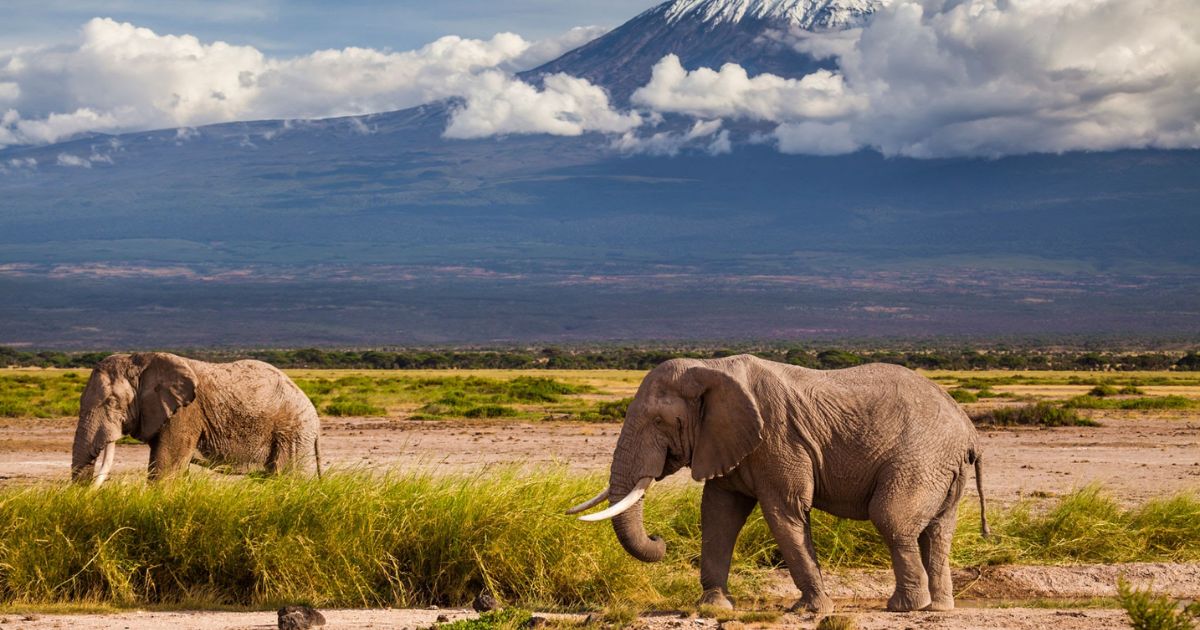
Witnessing massive elephant herds grazing peacefully beneath the snow-capped peak of Mount Kilimanjaro is a bucket-list dream for travelers worldwide. If you want front-row seats to this iconic African landscape, choosing the right Amboseli Safari Packages is the ultimate way to plan your adventure. Partnering with local experts like www.masaiafricasafaris.com lets you explore top wildlife routes, prime photography tracks and the best local lodges seamlessly.
Why Amboseli National Park is a Must-Visit Destination.
Amboseli offers a unique wildlife experience that sets it apart from other East African destinations. Here is why this park deserves a top spot on your Kenyan travel itinerary:
-
Wide-Open, Flat Grasslands: Unlike dense forests or rugged mountain parks where animals easily hide, Amboseli consists of open, flat plains. This high-visibility terrain makes it incredibly easy to spot diverse wildlife the moment you enter the gates, minimizing long, unproductive search drives.
-
Permanent Freshwater Swamps: Fed by underground water filtering down from Mount Kilimanjaro, these lush green wetlands provide a year-round lifeline for animals. They attract an immense concentration of wildlife, including cape buffaloes, hippos, wildebeests, zebras and over 400 species of birds.
-
Thriving Predator Action: The open plains create ideal hunting grounds for big cats and scavengers. While Amboseli is famous for giants, it also boasts a healthy population of lions, cheetahs, leopards and spotted hyenas that are frequently seen resting under acacia trees or stalking prey.
The Best Safari Routes for Massive Elephant Herds.
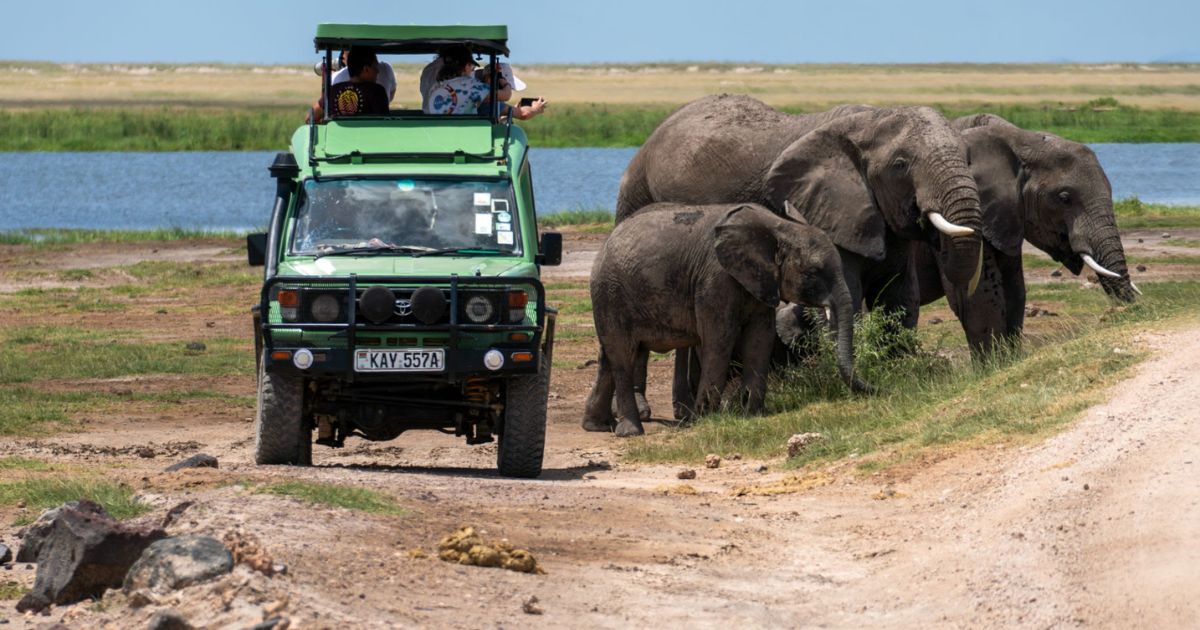
Amboseli is affectionately known as the “Land of Giants” for a very good reason. It is home to more than 1,600 elephants, including some of the last remaining “big tuskers” in Africa—mature bulls whose tusks are so long they almost touch the ground. To see these magnificent family herds up close, your driver-guide will typically prioritize these three key routes inside the park:
1. The Ol Okenya and Enkongo Narok Swamp Tracks.
These central swamp tracks are the absolute best places to find elephants during the hot mid-day hours. Because the surrounding plains can get dry and dusty, elephant families walk in long, single-file lines from the woodlands to the refreshing waters of the swamps every morning. You can park your safari vehicle safely along the dirt tracks and watch whole families—from matriarchs to tiny, playful calves—wading deep into the green marshes to feed on succulent water grasses.
2. The Observation Hill Loop.
Observation Hill is a unique volcanic pyramid located in the western sector of the park. It is one of the very few places in Amboseli where you are legally allowed to step out of your safari vehicle and walk on foot. A short, stepped path leads you to a covered lookout point at the summit. From here, you get an uninterrupted, panoramic view of the entire park. You can look down into the marshes to see massive herds of elephants and pods of hippos grazing simultaneously, creating incredible wide-angle landscape photos.
3. The Kimana Gate Entry Drive.
If you are arriving by road via the eastern side of the park, the route leading from Kimana Gate down toward the central plains is highly rewarding. This area features scattered acacia woodlands that serve as a favorite browsing zone for elephants in the late afternoon and early evening. The trees provide shade and food, making it common to encounter bulls feeding right alongside the main dirt road.
Prime Tracks for Unmatched Mount Kilimanjaro Views.
While Mount Kilimanjaro sits physically across the border in Tanzania, Amboseli offers the single best view of its iconic peak from the Kenyan side. However, capturing that perfect photograph requires strategic timing and knowledge of the terrain. The mountain creates its own local weather patterns, meaning it is often covered in thick clouds for much of the day. To maximize your chances, explore these routes:
1. The Sunrise Dawn Tracks.
The most reliable window to view the snow-capped summit is early in the morning, between 6:00 AM and 9:00 AM. As the first rays of sunlight hit the peak, the snow turns beautiful shades of pink, gold, and bright white. Experienced guides from www.masaiafricasafaris.com will ensure you are out on the dirt tracks before dawn. The southern boundary tracks, which position the open plains in the foreground and the mountain directly in the background, are prime spots for this morning run.
2. The Kitirua Sector (Western Plains).
The Kitirua area lies on the extreme western edge of the park, stretching toward Lake Amboseli (which is actually a dry, seasonal salt pan). This sector is much quieter and sees far fewer safari vehicles compared to the central swamps. The vast, flat horizons here give a dramatic sense of scale. When elephant herds cross this dusty desert floor with the towering mountain rising directly behind them, it creates the ultimate cinematic safari photograph.
Exploring the Best Amboseli Safari Packages.
Depending on your available travel time, budget and personal interests, there are several ways to structure your wilderness itinerary. Most international and domestic travelers opt for one of these highly popular, pre-planned travel options:
| Package Type | Ideal Duration | Best Suited For | Key Highlights |
| The Express Wilderness Escape | 3 Days / 2 Nights | Weekend travelers, business visitors or those with tight schedules. | Quick road trip from Nairobi, multiple intensive game drives and excellent mid-range lodge options. |
| The Southern Kenya Circuit | 5 Days / 4 Nights | Wildlife enthusiasts and photographers who want diverse landscapes. | Combines Amboseli’s flat plains with the rugged volcanic landscapes and red elephants of Tsavo West. |
| The Ultimate Kenya Signature Tour | 7 to 9 Days | First-time tourists wanting to see all of Kenya’s major highlights. | Links Amboseli (Kilimanjaro views) with the flamingo-filled Great Rift Valley lakes and the world-famous Maasai Mara. |
For custom-tailored luxury or mid-range itineraries that perfectly match your specific travel dates, you can browse options directly at www.masaiafricasafaris.com to create your dream trip.
Amboseli Safari Packages: Sample 3-Day Amboseli Itinerary Structure.
To give you a clear idea of how a classic short safari operates, here is the standard day-by-day sequence used by professional tour operators to balance game viewing and relaxation:
Month-by-Month Weather and Visibility Guide.
Amboseli’s landscape changes dramatically between the wet and dry seasons. Understanding these shifts helps you choose the perfect time to visit based on your goals.
-
June to October (Long Dry Season): This is the peak tourism season. Water dries up outside the park, forcing thousands of animals to gather around the permanent central swamps. The grass is short, making wildlife spotting effortless. However, dust storms can occur, and lodges fill up fast, so advance booking through www.masaiafricasafaris.com is highly recommended.
-
November to December (Short Rains): The park transforms into a beautiful green landscape. The air is clear of dust, which is wonderful for landscape photography. While wildlife disperses slightly because water is available everywhere, crowds are smaller and you can enjoy a peaceful atmosphere.
-
January to February (Short Dry Season): This is a hidden sweet spot for travel. The weather is warm and dry, and the skies are exceptionally bright and clear, offering some of the best, cloud-free views of Mount Kilimanjaro all year long.
-
March to May (Long Rainy Season): This is the low season, with April being the wettest month. Some dirt tracks on black cotton soil can become muddy and challenging to navigate without a professional 4×4 vehicle. On the plus side, accommodation rates drop significantly and it is the prime calving season for many animals, alongside incredible birdwatching opportunities.
Choosing Your Safari Vehicle: Land Cruiser vs. Tour Van.
When booking your tour, one of the most important decisions you will make is selecting your mode of transport. The vehicle you choose directly impacts your comfort, photography angles, and ability to handle rough roads.
-
4×4 Safari Land Cruiser: This is the gold standard for African safaris. It features large tires, heavy-duty suspension, and high ground clearance, allowing it to navigate deep mud or rough corrugations smoothly. It is highly reliable in all weather conditions.
-
Custom Safari Tour Van: This is a more cost-effective option for budget-conscious travelers. Tour vans feature a pop-up roof for excellent 360-degree wildlife viewing and work perfectly fine on the main dry roads of Amboseli. However, they lack the extreme off-road capability of a 4×4 Cruiser during heavy rains.
Cost Planning: Budgeting for Your Wildlife Adventure.
Understanding the factors that influence your overall Amboseli safari cost ensures you get the absolute best value for your money. The total price of Amboseli Safari Packages is generally determined by three main elements:
-
Accommodation Tier: Accommodations range from basic budget tented camps located just outside the park gates, to mid-range eco-lodges, up to ultra-luxurious, all-inclusive private safari camps built inside the park or within exclusive surrounding conservancies.
-
Park Entry Fees: The Kenya Wildlife Service (KWS) sets daily conservation entry fees for international tourists, East African residents and Kenyan citizens. These fees are vital for supporting local anti-poaching units and maintaining park infrastructure.
-
Group Size: Safari logistics are highly group-dependent. Sharing a vehicle with friends or family drastically splits the daily costs of transport, fuel and guide fees, making it significantly cheaper per person than traveling as a solo adventurer.
Conclusion: Book Your Dream Safari Today.
Amboseli National Park is a truly peerless African wilderness that promises jaw-dropping visual rewards. From watching giant elephants wade through glistening green marshes to witnessing the sun light up the snows of Mount Kilimanjaro, every single game drive offers a pristine window into the natural world.
To ensure a seamless, professional and deeply memorable experience, avoid generic cookie-cutter tours. Entrust your travel plans to the local experts who know the tracks, seasonal movements, and lodging options inside out. Visit www.masaiafricasafaris.com today to explore customized Amboseli Safari Packages and take the first step toward your ultimate Kenyan adventure!
Frequently Asked Questions (FAQs) About Amboseli Safari Packages.
1. How long does a drive from Nairobi to Amboseli take?
The driving distance from Nairobi to Amboseli National Park is approximately 240 kilometers. By road, the journey takes about 4 to 5 hours along the main Nairobi-Mombasa highway, turning off at Emali town onto the scenic Oloitokitok road.
2. Can I see the Big Five in Amboseli?
You can see four of the Big Five here: elephants, lions, buffaloes and leopards. However, there are no rhinos in Amboseli National Park. For complete Big Five viewings, many travelers combine Amboseli with a visit to the Maasai Mara or Tsavo.
3. Why is the mountain often covered in clouds?
Mount Kilimanjaro creates its own microclimate. As the sun warms the surrounding plains during the day, moist air rises up the mountain slopes, cooling down and condensing into thick clouds around the peak by mid-morning. This is why dawn game drives are essential.
4. Is Amboseli safe for first-time safari travelers?
Yes, Amboseli is exceptionally safe, highly accessible and well-managed by the Kenya Wildlife Service. The park tracks are well-marked and all professional guides from www.masaiafricasafaris.com are experts at reading animal behavior to keep you completely safe.
5. What should I pack for my Amboseli safari?
We recommend packing lightweight, neutral-colored clothing (khaki, beige or green), a warm jacket for chilly early morning drives, a high-quality camera with a zoom lens, sturdy closed-toe shoes, sun protection (hat, sunscreen, sunglasses) and effective insect repellent.
6. Are there fly-in options for Amboseli Safari Packages?
Yes! If you prefer to skip the 4-hour drive, you can book a fly-in safari package. Daily scheduled flights operate from Nairobi’s Wilson Airport straight to the Amboseli airstrip, reducing your travel transit time to just about 40 minutes.
7. Can I visit a Maasai village during my trip?
Absolutely. Many lodges are located close to authentic Maasai communities outside the park boundaries. Your tour guide can easily arrange an optional cultural visit, allowing you to witness traditional dances, explore their homesteads (manyattas) and support local artisans.
8. Is Amboseli suitable for family travel with young children?
Yes, Amboseli is an excellent destination for families. Because wildlife viewing is so reliable and animals are often spotted within minutes of leaving the lodge, children stay highly engaged without suffering from long, unproductive drives.
9. Do I need a 4×4 vehicle inside the park?
During the dry seasons, a standard 2WD safari van with a pop-up roof can easily navigate the primary dirt tracks. However, during the rainy green seasons, a 4×4 Land Cruiser is highly recommended to avoid getting stuck in slick cotton soils.
10. How far in advance should I book my Amboseli Safari Packages?
For travel during the peak dry months of July through October, it is wise to book your package 4 to 6 months in advance. This ensures you secure your preferred choice of custom vehicles and top-rated safari lodges before they fill up.