

Looking for a completely unique wildlife adventure in Kenya’s northern frontier? A Samburu National Reserve Safari takes you far away from the usual crowds into a dramatic, semi-arid landscape filled with extremely rare wildlife. While most safari destinations boast about the traditional Big Five, Samburu is famous for something entirely different: The Samburu Special Five.
Whether you are planning a family holiday or a weekend escape, booking your trip through www.masaiafricasafaris.com guarantees a flawless journey. In this guide, we will explore what makes Samburu special, the rare animals you will see, top lodges and how to prepare for the ultimate northern Kenya safari.
Why Samburu is Kenya’s Ultimate Hidden Gem.
When people think of a Kenya safari, they immediately picture the wide-open grassy plains of the Maasai Mara or the elephant herds in Amboseli. However, the Samburu ecosystem offers a completely refreshing contrast. The environment here is hot, dry and rugged.
Because of these harsh conditions, nature has heavily adapted. The animals you will see in Samburu have unique survival skills that you simply will not find in the southern parks. Furthermore, because Samburu is further away from the capital city, it is incredibly peaceful. You will not find dozens of safari vehicles crowding around a single lion. Instead, you get exclusive, uninterrupted wildlife viewing. This quiet isolation makes a Samburu National Reserve Safari an absolute must-do for true wildlife lovers.
Meet The Samburu Special Five.
The main reason travelers flock to this specific region is to spot the “Special Five.” These are five extremely rare animals that are only found in the dry northern regions of Kenya, above the equator. Let us look at what makes each of these animals so fascinating.
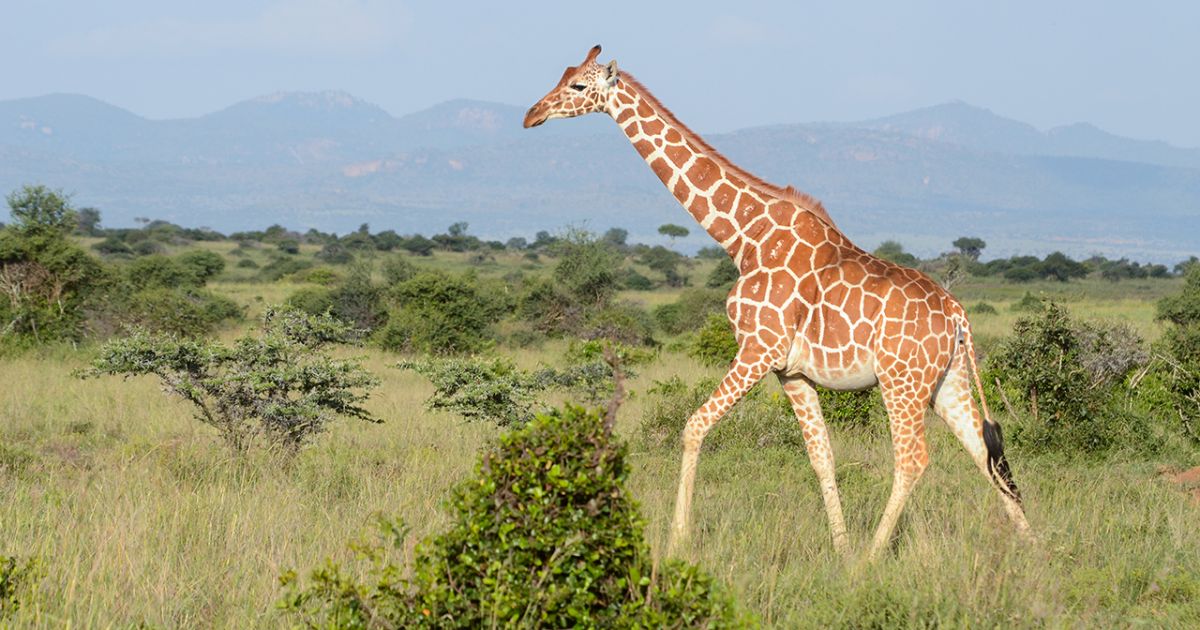
1. The Reticulated Giraffe.
Unlike the common Masai giraffe found in southern Kenya, the Reticulated giraffe looks like it was painted by a master artist. It has large, dark, liver-colored patches separated by bright, clean white lines that look exactly like a jigsaw puzzle. These striking colors help them blend perfectly into the red soils and acacia woodlands of Samburu. They are currently an endangered species, but Samburu remains one of the absolute best places on earth to easily spot large herds of them browsing high up in the trees.
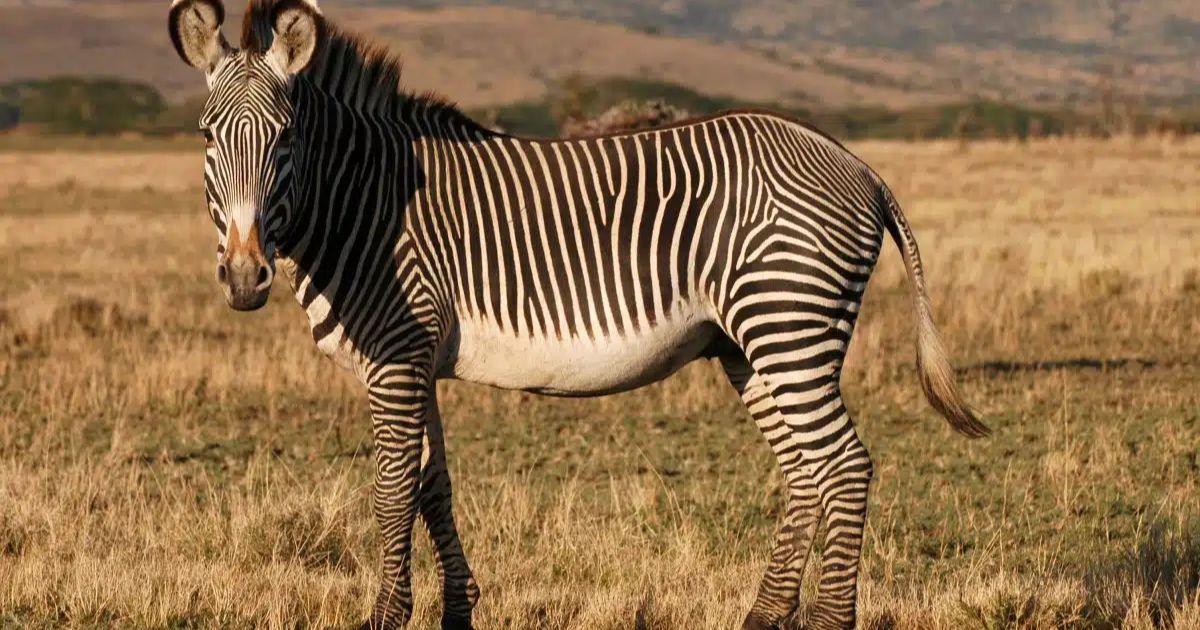
2. Grevy’s Zebra.
The Grevy’s zebra is the largest and rarest zebra species in the world. You can instantly tell them apart from the common plains zebra by looking at their stripes. The Grevy’s zebra has very narrow, tightly packed black and white stripes that stop completely at the belly, leaving the underbelly purely white. They also have large, round, fuzzy ears that look like Mickey Mouse ears. Because they live in a desert environment, they can survive for up to five days without drinking a single drop of water.
3. The Gerenuk (Giraffe-Gazelle).
The gerenuk is arguably the most unique and adorable antelope you will ever see. The name gerenuk translates to “giraffe-necked” in the local Somali language. To survive in the dry bush, they have evolved extra-long necks and incredibly strong hind legs. You will frequently see them standing completely straight up on their two back legs, using their front hooves to pull down high branches. Amazingly, the gerenuk does not need to drink standing water at all; it gets all the moisture it needs directly from the juicy leaves it eats.
4. The Beisa Oryx.
The Beisa Oryx is a heavily built, beautiful desert antelope. Both the males and the females grow long, straight, spear-like horns that can reach up to three feet in length. They have a striking grayish-brown coat with bold black and white stripes on their faces. The Beisa Oryx has a brilliant biological survival hack: it can actually raise its own body temperature to avoid sweating and losing water, while a special network of blood vessels cools the blood going to its brain.
5. The Somali Ostrich.
While you might have seen ostriches before, the Somali ostrich is entirely different. Instead of the usual pink neck and legs found on the common Masai ostrich, the Somali ostrich has grayish-blue skin. During the mating season, the male’s neck and legs turn incredibly bright blue to attract females. They are slightly larger and prefer living completely in the dry brush rather than the open grassy plains.
Other Incredible Wildlife in Samburu.
While the Special Five take the spotlight, a Samburu National Reserve Safari is packed with many other thrilling animal sightings.
1. Large Elephant Herds.
Samburu is famous for its massive population of elephants. Because the environment is very dry, the elephants naturally congregate in huge numbers along the riverbanks. Watching baby elephants play, roll in the red mud and splash water on themselves is a heartwarming experience you will never forget.
2. The Big Cats.
If you love predators, Samburu delivers excellently. The reserve is home to healthy prides of lions. In fact, Samburu became globally famous in 2002 when a local lioness named Kamunyak shocked the world by adopting a baby oryx instead of eating it. Leopards are also frequently spotted resting on the thick branches of the giant doum palms along the river. Cheetahs can occasionally be seen sprinting across the sparse, open grounds in pursuit of gazelles.
3. Exceptional Birdlife.
For bird watchers, Samburu is a true paradise. The reserve boasts over 450 different species of birds. The most notable is the Vulturine Guineafowl, which is arguably the most beautiful guineafowl in the world, featuring bright blue feathers and red eyes. You can also easily spot the African fish eagle, hornbills, kingfishers and massive martial eagles hunting from the sky.
The Lifeline of the North: The Ewaso Ng’iro River.
You simply cannot talk about Samburu without mentioning the Ewaso Ng’iro River. The name translates to “brown water” or “muddy water” in the local language, and it perfectly describes the thick, clay-colored river that flows straight through the reserve.
This river is the absolute heartbeat of the entire ecosystem. Because the surrounding land is so dry, all the wildlife must eventually come to the Ewaso Ng’iro to drink. This makes game viewing incredibly easy. You just need to drive along the riverbanks, and you will find elephants bathing, baboons playing in the trees and huge Nile crocodiles basking in the hot sun on the sandy banks. The thick forests of doum palms and acacia trees that grow along the water provide the perfect shade for leopards and lions.
Exploring the Rich Samburu Culture.
A safari is not just about the wildlife; it is also about the people. The Samburu people are closely related to the Maasai, but they have retained an even more traditional way of life. They are semi-nomadic pastoralists, meaning their entire lives revolve around moving their cattle, goats and camels to find fresh water and pasture.
When you book your trip with www.masaiafricasafaris.com, you can request a cultural visit to a traditional Samburu village (known as a Manyatta). Here, you will be warmly welcomed with traditional jumping dances and rhythmic singing. You will see the incredibly intricate and colorful beaded necklaces worn by the Samburu women and you can learn about their fascinating survival skills in this harsh environment. It is a deeply humbling and educational experience for both adults and children.
Best Time for Samburu National Reserve Safari.
While Samburu is a fantastic year-round destination, timing your visit can seriously enhance your experience.
1. The Dry Seasons (June to October & December to March).
This is widely considered the best time for a Samburu National Reserve Safari. Because it has not rained, the bush is thin, making it much easier to spot animals hidden in the grass. More importantly, the natural water holes dry up, forcing all the wildlife to gather closely around the Ewaso Ng’iro River. This guarantees action-packed game drives with high concentrations of animals in one spot.
2. The Wet Seasons (April to May & November).
The rainy season transforms the dry, dusty red earth into a lush, bright green paradise. While the thick vegetation makes spotting the big cats slightly harder, this is the most beautiful time for landscape photography. The dust is washed away from the air, giving you crystal clear views of the distant mountains. This is also the best time for bird watching, as many migratory birds arrive in the reserve.
Where to Stay: Safari Lodges and Camps.
Samburu offers some of the most spectacular accommodations in Kenya, ranging from ultra-luxury tented camps to highly comfortable mid-range lodges. Most of the top-tier camps are built directly on the banks of the Ewaso Ng’iro River, allowing you to watch wildlife straight from your room. The experts at Masai Africa Safaris can help you choose the exact lodge that fits your specific budget and travel style. Here are some of the best examples of where to stay:
-
Elephant Bedroom Camp: This is a deeply authentic, luxurious tented camp set right on the banks of the river inside the reserve. It is famous because wild elephants frequently stroll right through the camp, offering incredibly close encounters from the safety of your deck.
-
Saruni Samburu: For the ultimate luxury experience, this eco-chic lodge is built onto a spectacular rock face in the neighboring Kalama Conservancy. It offers breathtaking panoramic views of the northern plains, vast swimming pools and an immersive cultural experience.
-
Ashnil Samburu Camp: A highly comfortable and spacious camp situated along the riverbank in the adjacent Buffalo Springs Reserve. It is very family-friendly and features a beautiful outdoor swimming pool, perfect for cooling off after a hot morning game drive.
-
Sasaab Lodge: Blending Swahili and Moroccan design, this stunning luxury lodge sits just outside the reserve. It offers massive rooms with private plunge pools, top-tier exclusivity and unique activities like guided camel trekking safaris.
Safari Packing Guide for Northern Kenya.
Because Samburu is hotter and drier than parks like the Maasai Mara, packing correctly is very important. Here is a quick checklist to ensure you are comfortable:
-
Light, breathable clothing: Pack cotton or linen shirts and trousers in neutral colors like khaki, brown, and green. Avoid bright colors and heavy blacks or dark blues, which can attract tsetse flies.
-
Sun protection: The sun on the equator is extremely strong. Bring a wide-brimmed safari hat, polarized sunglasses, and high-SPF sunscreen.
-
Warm layers for the evening: Even though the days are scorching hot, the early morning game drives and late evenings can get surprisingly chilly. A light fleece jacket is highly recommended.
-
Camera gear: Bring a good camera with a strong zoom lens. A pair of binoculars is also essential for spotting leopards hidden in the trees or zooming in on the beautiful birdlife.
-
Medical essentials: Pack your personal medications, some insect repellent containing DEET, and malaria prophylaxis if advised by your doctor.
Why Book Your Samburu National Reserve Safari with Masai Africa Safaris?
Planning a safari into the remote northern frontier requires expert local knowledge. That is exactly what you get when you choose www.masaiafricasafaris.com.
As a premier local safari agency, we know every hidden corner of the Samburu ecosystem. We provide custom-built, rugged 4×4 safari land cruisers with pop-up roofs that guarantee every passenger gets a clear window seat and a 360-degree view for photography. Our driver-guides are highly trained professionals who possess an eagle-eyed ability to spot hidden animals.
We handle everything from your lodge bookings and park entry fees to your daily game drive schedules, ensuring you have a completely stress-free holiday. Whether you want a luxury fly-in safari or a scenic road trip from Nairobi, we will customize the itinerary to match your exact desires.
Conclusion: Samburu National Reserve Safari.
A Samburu National Reserve Safari is an adventure like no other. It takes you off the beaten path and drops you straight into a rugged, untamed wilderness. From tracking the exclusive Special Five and watching elephants cross the muddy Ewaso Ng’iro River, to learning the ancient traditions of the Samburu people, every single second spent here is pure magic. Stop dreaming about your next big adventure and start planning it. Visit www.masaiafricasafaris.com today and let us take you on the journey of a lifetime.
10 Frequently Asked Questions (FAQs) on Samburu National Reserve Safari.
1. What is the Samburu Special Five?
The Samburu Special Five is a group of rare, drought-adapted animals found only in northern Kenya. They include the Reticulated giraffe, Grevy’s zebra, Beisa oryx, Gerenuk and the Somali ostrich.
2. How far is Samburu National Reserve from Nairobi?
Samburu is located approximately 345 to 350 kilometers north of Nairobi. By road, the journey takes about 5 to 6 hours along a very scenic highway. Alternatively, you can take a quick 1-hour flight from Wilson Airport in Nairobi directly to the reserve’s airstrip.
3. Is Samburu National Reserve safe for tourists?
Yes, Samburu is extremely safe for visitors. The reserve is heavily protected by well-trained park rangers and the lodges have strict security protocols in place. As long as you follow your safari guide’s instructions and stay inside the vehicle during game drives, you are perfectly safe.
4. Are there lions in Samburu National Reserve?
Absolutely! Samburu has a very healthy population of lions. Because the vegetation can be sparse, it is often quite easy to spot them resting in the shade or hunting near the riverbanks.
5. Can I combine a Samburu Safari with the Maasai Mara?
Yes. Combining Samburu with the Maasai Mara is actually one of the most popular safari itineraries in Kenya. This combination allows you to experience the dry, rugged north with its unique Special Five and then fly south to experience the rolling green plains and the Great Wildebeest Migration in the Mara.
6. What is the weather like in Samburu?
Samburu features a hot, semi-arid climate. Daytime temperatures generally range from 29°C to 32°C (84°F to 90°F). However, the nights and early mornings can drop to around 16°C (61°F), so you will definitely need a jacket for your morning game drives.
7. Can children go on a Samburu Safari?
Yes, Samburu is highly family-friendly. Many luxury lodges and camps offer family tents, swimming pools and special activities geared toward children, such as nature walks around the camp and learning traditional bush survival skills from local warriors.
8. Do I need malaria pills for Samburu?
Samburu is considered a malaria zone, especially near the river and during the wet seasons. It is highly recommended that you take anti-malarial medication and use strong insect repellent during the evenings and early mornings.
9. Are there rhinos in Samburu National Reserve?
No, there are no rhinos inside the main Samburu National Reserve. However, you can book a specialized walking safari to track critically endangered rhinos on foot at the nearby Sera Community Conservancy, which is just a short drive away.
10. How do I book a safari to Samburu?
Booking is incredibly easy. Simply visit www.masaiafricasafaris.com, browse our exclusive Northern Kenya tour packages and contact our travel experts. We will tailor-make your entire trip, including transport, accommodation and guided game drives.