

Imagine leaving Nairobi after breakfast and watching zebras and wildebeest from your lodge before lunch. No long, bumpy road. No wasted hours. That is the promise of a fly-in safari in Kenya. It is fast, comfortable and full of great views, but is it right for you? At www.masaiafricasafaris.com, we plan fly-in trips every day, and this guide explains the best routes, what affects the cost and how to decide if it is worth it.
What Is a Fly-In Safari in Kenya?
A fly-in safari is a trip where you take a small plane from Nairobi to an airstrip near your lodge or camp, instead of driving all the way. Once you land, a guide meets you with a 4×4 safari vehicle, and your game drives start straight away.
Most flights leave from Wilson Airport in Nairobi, which is the main hub for safari flights. According to travel sources, it connects the city with safari airstrips near the Masai Mara, Amboseli, Samburu, Laikipia, Meru and Tsavo. This is different from Jomo Kenyatta International Airport, which is where most international visitors arrive.
In simple words, you fly over the long road and spend more time with the animals.
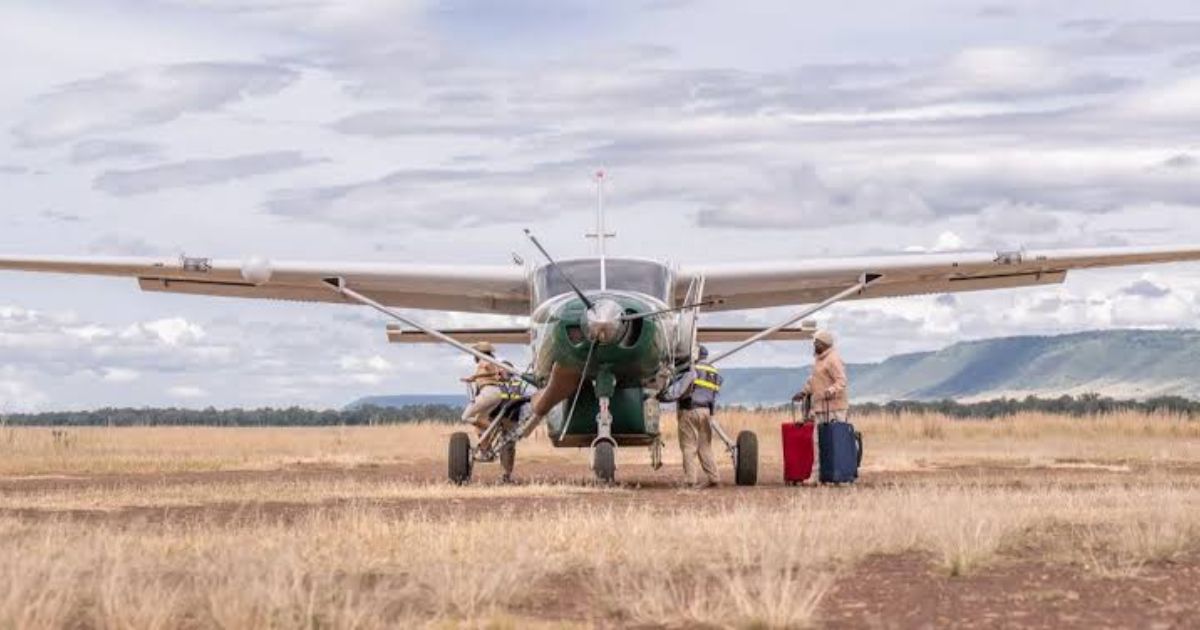
Fly-In Safari vs Road Safari: What Is the Difference?
Both options can give you a wonderful trip. The right one depends on your time, comfort and goals.
| Feature | Fly-In Safari | Road Safari |
|---|---|---|
| Travel time | Short flight, often about one hour to the Masai Mara | Several hours by road |
| Comfort | Less tiring, more relaxed | Longer, can be bumpy |
| Game viewing time | More time in the park | Some time lost on the road |
| Luggage | Strict limits | More flexible |
| Views | Beautiful views from the air | Views of towns and countryside |
| Budget | Usually higher | Usually more affordable |
| Best for | Short trips, couples, families, luxury travelers | Longer trips, budget travelers, big groups |
Many travelers mix both. For example, they fly in and drive out, or fly between parks and drive within them. We can arrange a plan that fits your time and budget through our www.masaiafricasafaris.com.
Best Fly-In Safari Routes in Kenya.
Kenya has many fly-in options. Here are the most popular routes for visitors who want the best mix of wildlife, scenery and comfort.
1. Nairobi to Masai Mara (The Most Popular Route).
This is the number one choice for a fly-in safari. A typical Nairobi to Masai Mara flight takes around one hour, and a guide from your lodge meets you at the airstrip. The Mara is famous for the Big Five, open plains and, from around July to October, the Great Migration.
Best for: first-time visitors, short trips, honeymooners, families and migration seekers.
2. Nairobi to Amboseli.
Amboseli is known for large elephant herds and views of Mount Kilimanjaro on clear days. A flight saves time and lets you enjoy sunrise and sunset game drives with fresh energy.
Best for: photographers, elephant lovers and travelers who want a short escape.
3. Nairobi to Samburu.
Samburu in northern Kenya offers a dry, rugged landscape and special wildlife such as Grevy’s zebra, reticulated giraffe and gerenuk. These “Special Five” are rare sights in other parks.
Best for: repeat visitors and travelers who want something different from the usual Mara trip.
4. Nairobi to Laikipia.
Laikipia has private conservancies with excellent wildlife and activities such as night drives, walking safaris and horseback or camel rides, depending on the property. It is quiet, exclusive and very well suited for privacy lovers.
Best for: luxury travelers, families and travelers who want more than game drives.
5. Nairobi to Meru.
Meru National Park is calm, green and far less busy than the more famous reserves. It is a good choice if you want peace and wide landscapes.
Best for: nature lovers and travelers who prefer quiet, off-the-beaten-track safaris.
6. Nairobi to Tsavo.
Tsavo is one of Kenya’s largest wildlife areas. A fly-in saves many hours of travel and gives you more time to enjoy the red earth and big herds.
Best for: travelers with limited time who want a classic bush experience.
7. Masai Mara to Diani Beach.
Safarilink runs daily flights that link Masai Mara to Diani through Wilson Airport. This lets you move from the bush to the beach in one day, which is perfect for a safari and beach combo.
Best for: honeymooners and anyone who wants to relax by the ocean after safari.
You can also ask us about Masai Mara fly-in safari packages tailored to your dates.
Sample Fly-In Safari Itineraries.
Here are simple examples. Each can be adjusted to your needs.
2-Day Masai Mara Fly-In Safari.
Fly from Wilson Airport, arrive in time for lunch and take an afternoon game drive. Enjoy an early morning game drive the next day, then fly back to Nairobi. It is short, easy and perfect for busy travelers.
3-Day Masai Mara Fly-In Safari.
This gives you two full days of game drives, with time to explore different areas of the reserve. It is the most popular option for a quick safari.
4-Day Mara and Amboseli Combo.
Spend two nights in the Mara and two in Amboseli, using flights or a mix of flights and road transfers. You will see two very different landscapes.
5-Day Mara and Laikipia or Samburu Safari.
Combine the open plains of the Mara with the special wildlife and private conservancies of Laikipia or Samburu. This is great for travelers who want variety.
6-Day Safari and Beach Holiday.
Spend several days in the Mara, then fly to Diani for beach time. It mixes adventure and rest in one smooth trip.
Fly-In Safari Cost in Kenya: What Affects the Price?
Many travelers ask, “How much does a fly-in safari cost?” We do not list fixed prices because they change with season and customization, but we can tell you what drives the cost.
- Flights. Domestic flights are usually a major part of the bill because small aircraft and remote airstrips cost more to run than long-distance road travel.
- Season. Peak seasons, such as the migration months and holiday periods, often cost more than low seasons.
- Lodge or camp type. Budget tents, mid-range lodges, luxury camps and private conservancies all vary widely.
- Length of stay. More nights usually mean a higher total, but often a better value per day.
- Number of travelers. Group size affects vehicle sharing and room use.
- Park or conservancy fees. Fees differ by location and may change from time to time.
- Extras. Hot air balloon rides, cultural visits, private guides and special meals add to the cost.
- Travel style. Private vehicles cost more than shared ones.
Tip: Book early for the best choice of rooms and flight seats, especially in peak months.
What Is Usually Included in a Fly-In Safari Package?
A good package makes your trip simple. Most fly-in safari packages in Kenya include:
- Domestic flights from Wilson Airport.
- Airport pickups and transfers.
- Accommodation at your chosen lodge or camp.
- Meals as stated in your plan.
- Game drives with an expert guide in a 4×4 vehicle.
- Park or conservancy fees (if listed).
- Drinking water on game drives.
Common extras that may not be included:
- International flights and visas.
- Travel insurance.
- Tips for guides and staff.
- Hot air balloon rides.
- Alcoholic drinks and personal items.
Always check the inclusions and exclusions before you book. We make this clear with every plan at www.masaiafricasafaris.com.
Pros and Cons of a Fly-In Safari.
Pros:
- Saves time. You skip long road trips and spend more time seeing wildlife.
- More comfortable. There are no long, bumpy rides, which suits older travelers, children and anyone who gets tired on the road.
- Great views. Flying over the Rift Valley and the open plains is an adventure on its own.
- Easy to combine parks. You can visit two or three areas in a short time.
- Good for short trips. Even two or three days can feel full and rewarding.
Cons:
- Higher cost. Flights add to the total, so it is often more expensive than a road safari.
- Strict luggage limits. Small planes limit bag weight, and soft-sided bags are usually required.
- Weather and schedule changes. Small aircraft can face delays from weather or air traffic.
- Less flexibility. Flights run on set schedules, so your timing is less flexible.
- Fewer sights on the road. You miss the countryside and small towns between Nairobi and the parks.
Is a Fly-In Safari in Kenya Worth It?
For many travelers, yes. A fly-in safari is worth it when time and comfort matter to you. If you have only three to five days, flying can be the difference between a rushed trip and a relaxed one. Instead of losing hours on the road, you gain more game drives and more rest.
It is especially worth it if:
- You have a short holiday and want to see as much as possible.
- You are traveling with children or older relatives.
- You are on a honeymoon, anniversary or special trip.
- You want to visit more than one park.
- You want to reach remote areas like Laikipia or Samburu easily.
- You want a smooth, stress-free experience.
It may not be worth it if:
- You are on a tight budget.
- You have lots of time and enjoy road travel.
- You are traveling with heavy luggage or large camera gear (although many travelers manage with smart packing).
- You prefer a flexible, self-paced trip.
A good tip is to compare both options and decide based on your priorities. We can help you weigh them at www.masaiafricasafaris.com.
Best Time for a Fly-In Safari in Kenya.
Kenya is a year-round safari destination, but each season has its charm.
- July to October: This is the peak time for the Great Migration in the Masai Mara. Wildlife viewing is excellent, but it is also the busiest time, so book early.
- January to February: Warm, dry and great for game viewing in many parks.
- November to December: Green landscapes, fewer crowds and birdlife are common, though short rains can happen.
- March to May: Often the quietest and greenest season, with fewer visitors and lower rates in many lodges.
If you want the migration, plan well ahead because flights and lodges fill fast.
Fly-In Safari Packing Tips: Luggage Rules.
Luggage rules are one of the biggest surprises for first-time fly-in travelers. Small safari planes have limited space, so airlines set weight limits. Allowances differ between airlines and can be around 15 to 20 kilograms per person, including hand luggage, so always check before you travel.
Follow these tips:
- Use soft-sided bags. They fit easily into small aircraft holds.
- Pack light. Bring neutral clothes in khaki, green and brown, plus a warm layer for cool mornings.
- Leave extra luggage behind. Many hotels in Nairobi will store spare bags.
- Carry essentials by hand. Keep medicines, documents and valuables with you.
- Bring a good hat, sunscreen and sunglasses.
- Pack a camera and extra batteries. Check weight limits for gear.
- Ask about excess baggage. Fees can apply if you go over the limit, so it is better to pack right.
Also remember that most scheduled safari flights leave from Wilson Airport, not the main international airport, so plan your transfer time.
Tips for Booking a Fly-In Safari in Kenya.
- Book early. Seats and rooms fill fast in peak months.
- Choose a trusted operator. A local company handles flights, transfers and lodges smoothly.
- Allow buffer time. Avoid tight connections with international flights.
- Check inclusions. Know what is covered before you pay.
- Buy travel insurance. It protects you from unexpected changes.
- Ask about flexible plans. Some lodges and operators allow changes.
- Mix transport smartly. A fly-in and drive-out plan can balance cost and comfort.
Why Book Your Fly-In Safari with Masai Africa Safaris?
The right planner makes everything easier. Here is what you can expect from Masai Africa Safaris:
- Local knowledge of parks, airstrips and the best lodges.
- Custom itineraries built around your dates, interests and budget.
- Smooth logistics from airport pickup to flights and game drives.
- Expert guides who find wildlife and share the story of the land.
- Clear communication with no hidden surprises.
- Flexible options including fly-in, road and mixed safaris.
We make sure your trip feels simple, safe and unforgettable.
Frequently Asked Questions (FAQs).
1. What is a fly-in safari in Kenya?
It is a safari where you fly from Nairobi to an airstrip near your lodge instead of driving. A guide then takes you on game drives.
2. How much does a fly-in safari in Kenya cost?
The price depends on the season, lodge type, flight route, trip length and group size. Because every trip is customized, it is best to request a quote based on your plans.
3. How long is the flight from Nairobi to the Masai Mara?
It is usually around one hour, depending on the airstrip and the airline. Some itineraries mention about an hour each way.
4. Where do fly-in safari flights depart from?
Most safari flights leave from Wilson Airport in Nairobi, not Jomo Kenyatta International Airport. Plan your transfer in advance.
5. What is the luggage limit on fly-in safari flights?
Limits are strict and often around 15 to 20 kilograms per person, including hand luggage. Soft-sided bags are best. Always confirm with your operator before packing.
6. Is a fly-in safari better than a road safari?
It depends on your needs. Flying saves time and adds comfort, while road safaris are often more affordable and flexible.
7. Which parks can I visit on a fly-in safari?
Popular choices include the Masai Mara, Amboseli, Samburu, Laikipia, Meru and Tsavo. You can also connect to the coast, such as Diani.
8. What is the best time for a fly-in safari in Kenya?
July to October is best for the Great Migration, while January to February is also strong for wildlife. Green seasons offer fewer crowds. The best time depends on your goals.
9. Is a fly-in safari safe?
Scheduled safari flights are operated by established airlines using small aircraft, and they follow aviation rules. Delays can happen due to weather, so build in some flexibility.
10. How do I book a fly-in safari in Kenya?
Visit www.masaiafricasafaris.com, share your dates, group size and interests, and we will prepare a plan and quote. Book early to secure flights and lodges.
Conclusion: Is a Fly-In Safari in Kenya Right for You?
A fly-in safari in Kenya gives you more time with wildlife, less time on the road and a smoother, more relaxed trip. It lets you reach the Masai Mara, Amboseli, Samburu, Laikipia and other top destinations in a short time, with beautiful views along the way. Yes, it can cost more and has luggage limits, but for many travelers the extra time and comfort make it well worth it.
The best choice comes down to your time, budget and travel style. If you want a fast, easy and memorable safari, flying in is hard to beat. If you have more days and a tighter budget, a road safari or a mix of both may suit you better.
Ready to start planning? Visit www.masaiafricasafaris.com, tell us your dates and goals, and let Masai Africa Safaris create a fly-in safari that fits you perfectly.