

Imagine standing on the edge of the Mara River as thousands of wildebeest gather, wait and then leap into the water together. It is loud, wild and unforgettable. If this is on your bucket list, the Wildebeest Migration 2027 is your next chance to see it. At www.masaiafricasafaris.com, we help travelers plan the right dates, the right camps and the right route so they do not miss the moment.
This guide explains when the migration is expected, where the river crossings happen and where to stay for the best views. It is written in simple words so you can plan with confidence.
What Is the Great Wildebeest Migration?
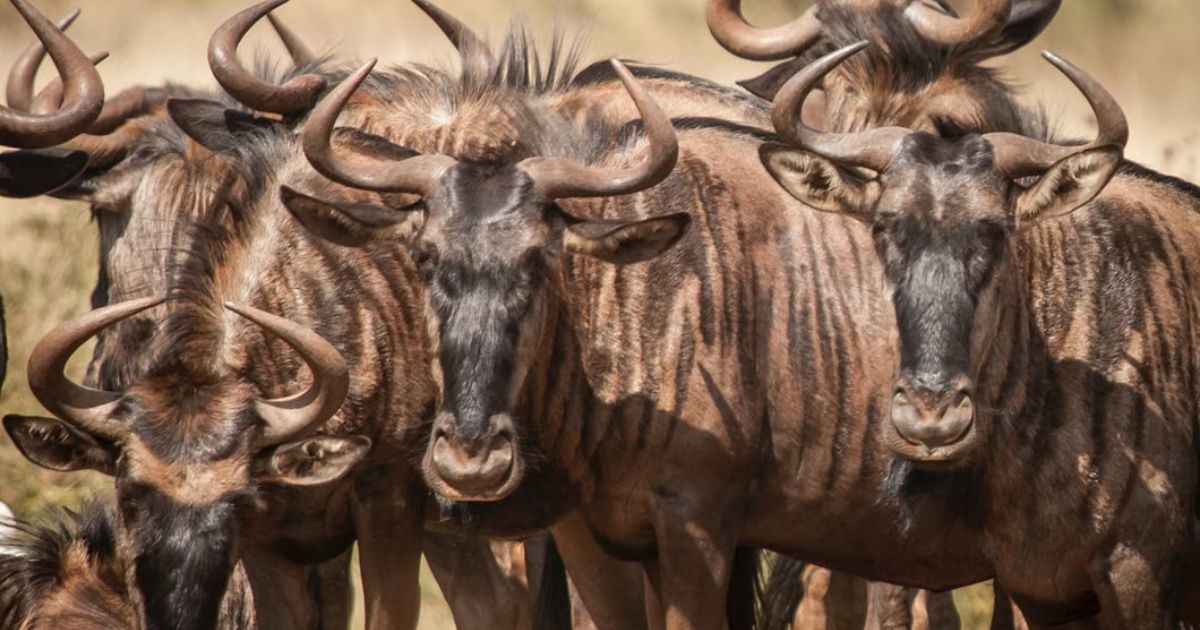
The Great Migration is the yearly movement of more than a million wildebeest, along with hundreds of thousands of zebras and gazelles. They travel in a big circle between Tanzania’s Serengeti and Kenya’s Maasai Mara, searching for fresh grass and water. The journey takes the whole year and the herds never stop for long.
It is often called the greatest wildlife show on earth. Predators such as lions, cheetahs, hyenas and crocodiles follow the herds, so the action is nonstop. Many travelers rank it among the top Kenya safari experiences and one of the best reasons to visit Africa.
Wildebeest Migration 2027: Expected Dates.
Here is an honest note first: no one can promise exact dates. The herds follow the rain and the grass, so timing changes slightly each year. Still, the yearly pattern is steady, and we can plan well around it.
For the Wildebeest Migration 2027, here is what to expect:
- January to March: Calving season in the southern Serengeti, Tanzania.
- April to May: Herds move north and west as the long rains end.
- May to July: Herds cross the Western Corridor and the Grumeti River in Tanzania.
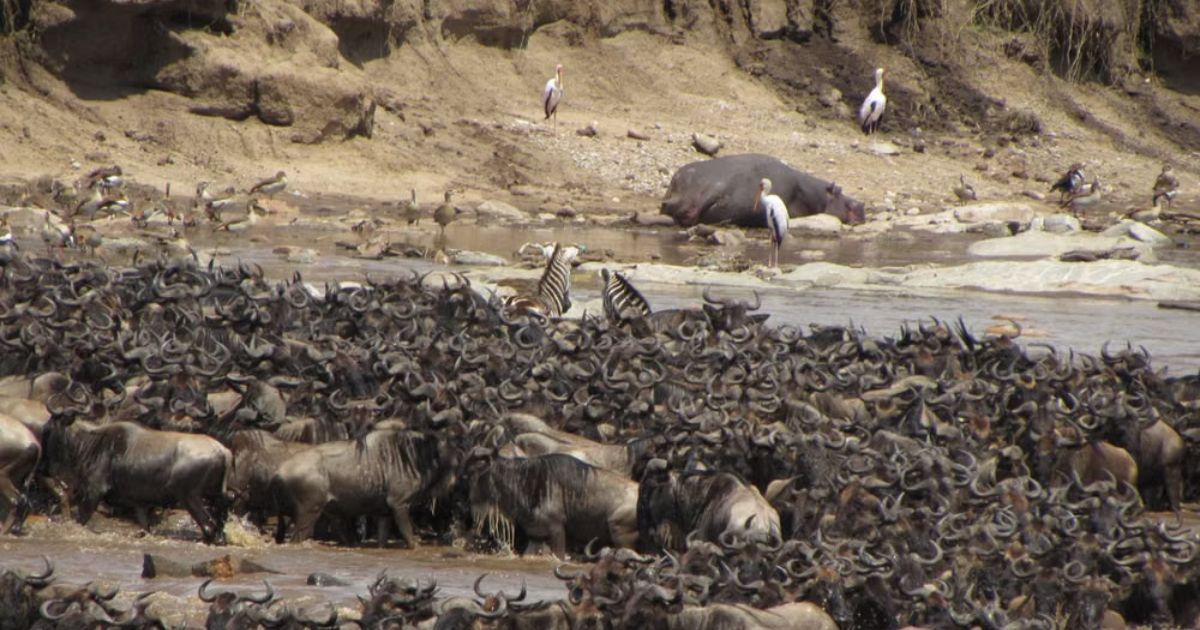
- July to October: Herds reach the Maasai Mara in Kenya and cross the Mara River. This is the main window for Kenya.
- November to December: Herds move back south toward Tanzania as the short rains begin.
For Kenya, the best time to see the wildebeest migration is July to October, with August and September often the strongest months for river crossings. The first herds usually arrive in the Mara around July, but the exact start depends on the rains.
Month-by-Month Migration Guide for 2027.
Use this simple guide to match your travel month to what you want to see.
| Month | Where the Herds Are | What You May See |
|---|---|---|
| January–March | Southern Serengeti | Calving, predators hunting |
| April–May | Central and Western Serengeti | Long columns on the move |
| June | Western Corridor, Grumeti River | Early river crossings |
| July | Northern Serengeti, arriving in the Mara | First Mara River crossings |
| August | Maasai Mara | Peak crossings and big herds |
| September | Maasai Mara | Crossings continue, great predator sightings |
| October | Maasai Mara, moving south | Fewer crowds, last crossings |
| November–December | Moving to southern Serengeti | Herds on the return trip |
Mara River Crossings: What You Need to Know.
The Mara River crossing is the most dramatic part of the migration. Herds gather on the bank, push forward, pull back and then rush into the water. Crocodiles wait below, and lions often watch from the grass. The scene can last minutes or hours.
Here are the key facts to plan around:
- Crossings are unpredictable. Herds may wait for hours, or even days, before they cross. Patience is part of the experience.
- There are many crossing points. The herds use different spots along the river, so a good guide who knows the area is very valuable.
- Crossings happen mostly in the day. Early morning and mid-day are common, but there are no fixed times.
- Weather matters. Rain upstream can change how fast and how high the river runs.
- Spend enough time. Plan at least 3 nights in the Mara, and 4 to 5 nights if river crossings are your main goal.
A skilled driver-guide will watch the herds’ mood, read the signs and place your vehicle at the right spot. That is one reason many travelers book a guided Masai Mara migration safari with a trusted local company.
Kenya or Tanzania: Where Should You See the Migration?
Many travelers ask this question. Both countries are great, but they offer different things.
Maasai Mara, Kenya.
- Best for the dramatic Mara River crossings from July to October.
- Compact reserve, so it is easier to move around.
- Easy access from Nairobi by road or short flight.
- Strong mix of the migration and year-round wildlife.
Serengeti, Tanzania.
- Best for calving season from January to March
- Longer migration season across the year
- Larger area, so travel between regions takes more time
If you want river crossings and a shorter trip, Kenya is a strong choice. If you want calving or the Grumeti River, Tanzania fits better. Some travelers combine both. Our team can help you compare the options and plan a route that fits your dates.
Best Places to Stay for the Wildebeest Migration 2027.
Where you sleep changes how much you see. Camps close to the river save travel time and let you reach crossing points early. Here are the main areas and some well-known camps to consider.
1. Mara Triangle.
The Mara Triangle is on the western side of the Mara River. It is known for strong river views and calmer game drives. Mara Siria Tented Camp is one camp that lists its base in this area and promotes migration stays.
2. Private Conservancies.
Conservancies border the main reserve. They allow fewer vehicles, night drives and walking safaris. Many of the premium camps are here, which makes them a good choice for quiet, close-up wildlife viewing. Names often mentioned for high-end migration stays include Mara Plains, Angama Mara and Cottar’s.
3. Main Maasai Mara National Reserve.
Camps inside the reserve put you near the central plains and main river crossings. They suit travelers who want the classic Mara experience with many game drive options.
Types of Accommodation.
Choose a style that fits your comfort and budget:
- Luxury tented camps and lodges: Private tents, fine meals and top service.
- Mid-range tented camps: Comfortable beds, good food and great locations.
- Budget camps and lodges: Simple stays that still place you close to the action.
- Mobile camps: Move with the herds for the best chance of seeing crossings up close.
How to Choose the Right Camp.
Ask these questions before you book:
- How close is the camp to the river crossing points?
- Is it inside the reserve, in the Mara Triangle or in a conservancy?
- Does the camp offer full-day game drives with packed lunches?
- Are guides experienced with migration tracking?
- How many guests share the same viewing spots?
Not sure where to stay? www.masaiafricasafaris.com can match you with a camp that fits your style and your plan.
How Many Days Do You Need for a Migration Safari?
For a smooth trip, give yourself enough time. Here are common options:
- 3-day Masai Mara safari: Good for a short visit, but crossings are not guaranteed.
- 4 to 5-day safari: The best balance for seeing crossings and other wildlife.
- 6 to 7-day safari: Great if you want to add Lake Nakuru, Lake Naivasha or Amboseli.
More days in the Mara give you more chances to see a crossing.
Fly-In or Drive: How to Get to the Maasai Mara.
You have two main choices to reach the Mara from Nairobi:
- By road: A scenic but long drive that takes most of a day. It suits budget travelers and those who enjoy the journey.
- By air: A short flight from Nairobi to an airstrip near your camp. It saves time and gives you more hours on game drives.
Many migration travelers choose a mix: fly in, and drive out, or the other way around. We can arrange transfers and match them to your camp.
Migration Safari Packages: What Is Included?
Most Kenya migration safari packages include these items:
- Pickup and drop-off in Nairobi.
- Safari vehicle with a driver-guide.
- Accommodation at your chosen camp.
- Meals and drinking water.
- Game drives.
- Park or reserve entry fees.
Extras may include flights, hot air balloon rides, Maasai village visits and special dinners. Prices are not fixed because they depend on the season, the camp, group size and your choices. To get a clear quote, contact www.masaiafricasafaris.com and share your plans.
When to Book Your Wildebeest Migration 2027 Safari.
Good camps fill up early, especially in August and September. Here is a simple booking plan:
- 6 to 12 months before: Start planning and choose your dates.
- Early booking: Reserve your camp and flights while there is still space.
- 3 to 4 months before: Confirm details, add activities and share dietary needs.
- 1 month before: Check your documents, vaccines and packing list.
Book early for peak months and keep your plan flexible. Because the herds move with the rain, a few extra nights give you a better chance of seeing a crossing.
What to Pack for a Migration Safari.
- Neutral-colored clothes, such as khaki, green or brown.
- A light jacket for cool mornings and evenings.
- A wide-brimmed hat and sunglasses.
- Sunscreen and insect repellent.
- Binoculars and a camera with a zoom lens.
- Extra batteries and memory cards.
- Comfortable closed shoes.
- A small daypack.
- Personal medicines.
Tips for Seeing the Best of the Migration.
- Go early. Start game drives at sunrise to find active herds.
- Be patient. Waiting is part of the show.
- Choose a skilled guide. Local knowledge is the biggest advantage.
- Stay quiet and still at the river so you do not disturb the herds.
- Respect wildlife rules. Keep a safe distance and follow your guide’s advice.
- Pack snacks and water for long waits at the crossing points.
- Do not chase only crossings. The migration also brings amazing predator action and big landscapes.
Why Book with Masai Africa Safaris?
Planning a migration trip takes local knowledge and careful timing. Masai Africa Safaris helps you with:
- Tailor-made itineraries built around your dates and goals.
- Experienced guides who track herds and read the river.
- Camp matching based on your budget and style.
- Smooth logistics, including transfers and flights.
- Honest advice on timing, since the herds follow nature, not a calendar.
- Support from planning to return.
Whether you travel as a couple, a family or a group of friends, we make the process simple and the experience memorable.
Frequently Asked Questions About the Wildebeest Migration 2027.
1. When is the Wildebeest Migration 2027?
The migration moves all year, but the Kenya river crossings usually happen from July to October. August and September are often the strongest months.
2. When is the best time to see the Mara River crossings in 2027?
August is usually the most popular month, but exact timing depends on the rain and the movement of the herds. Plan a few extra days for the best chance.
3. Where does the wildebeest migration happen?
It takes place between the Serengeti in Tanzania and the Maasai Mara in Kenya. The herds move in a big circle across both areas.
4. Can I be sure of seeing a river crossing?
No one can promise a crossing, because the herds decide when to cross. Spending more nights in the Mara and using an experienced guide raises your chances.
5. How many days do I need for a migration safari?
Plan at least 3 nights in the Mara, and 4 to 5 nights if seeing a crossing is your main goal.
6. Is it better to see the migration in Kenya or Tanzania?
Kenya is best for dramatic Mara River crossings from July to October. Tanzania is best for calving from January to March. Both are excellent.
7. How much does a migration safari cost?
The cost depends on your camp, season, group size, flights and activities. Because every trip is different, request a custom quote from Masai Africa Safaris.
8. How early should I book my 2027 migration safari?
Book 6 to 12 months ahead, especially for August and September, when the best camps fill up fast.
9. Should I fly or drive to the Maasai Mara?
Flying saves time and gives you more hours on game drives. Driving is more budget-friendly and lets you see the countryside. Many travelers combine both.
10. How can Masai Africa Safaris help me plan my trip?
We help you choose dates, camps, and activities and we handle transfers and guides. Visit www.masaiafricasafaris.com to start planning your safari.
Conclusion: Plan Your Wildebeest Migration 2027 Safari Today.
The Great Migration is a once-in-a-lifetime sight. The sound of hooves, the rush into the river, and the wild action all around you will stay in your memory for years. With the right timing, the right camp and the right guide, the Wildebeest Migration 2027 can be the highlight of your travel life.
The best camps fill up early and the best trips are planned with care. If you are ready to turn this dream into a real plan, Masai Africa Safaris is ready to help. Visit www.masaiafricasafaris.com today and start planning your Wildebeest Migration 2027 safari.