

Are you dreaming of exploring the African wilderness but cannot decide how to get around? Choosing between a classic overland trip and a Fly-in Safari Kenya is a major decision. The transportation method you pick completely shapes your travel experience. It affects your comfort, your daily schedule and how much time you actually spend watching wildlife.
If you are ready to plan the ultimate wildlife getaway, the experts at www.masaiafricasafaris.com can help you design a customized itinerary. In this comprehensive guide, we will break down the differences between hitting the road and taking to the skies. We will help you determine which travel style best suits your vacation goals.
Why Transportation Matters on Your Trip.
Many travelers focus entirely on which lodges to book or which animals they want to see. However, how you travel between these remote destinations is just as important. The national parks are vast and spread far apart. Traveling between them takes time and energy.
You generally have two main choices. You can ride in a customized 4×4 Land Cruiser for a classic road trip. Alternatively, you can board a light aircraft and fly directly into the bush. Both methods offer incredible, yet very different, experiences. Understanding the pros and cons of each will ensure your holiday is memorable for all the right reasons.
Road Safari Kenya: Understanding the Classic Overland Route.
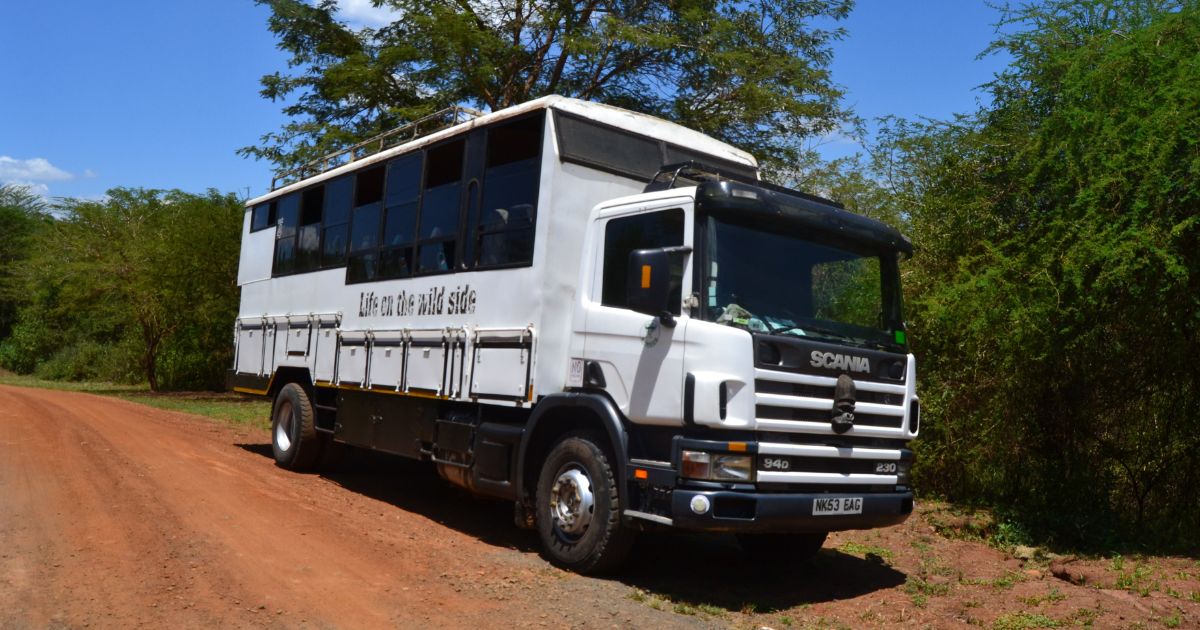
The overland route is the traditional way to explore the African bush. You typically start your journey in Nairobi. A dedicated driver-guide picks you up in a custom-built 4×4 safari vehicle. This same guide stays with you for the entire duration of your trip.
1. Benefits of a Road Safari in Kenya.
Driving offers a deep connection to the country. As you leave the bustling city of Nairobi, the landscape slowly transforms. You drive past local villages, vibrant markets, and farming communities. You get to witness the daily life of the local people. A major highlight of driving west is stopping at the Great Rift Valley viewpoint. Here, you can take photos of the stunning escarpment before descending to the valley floor.
2. The Realities of the Road.
While the drive is scenic, it requires stamina. The main highways are mostly paved and smooth. However, the final stretches leading to the national parks are often unpaved. These dirt roads can be extremely bumpy and dusty. Locals playfully refer to this as the “African massage.” The journey from Nairobi to the Masai Mara can take several hours. This means a significant portion of your first and last day is spent inside a vehicle.
Why Choose a Fly-in Safari Kenya.
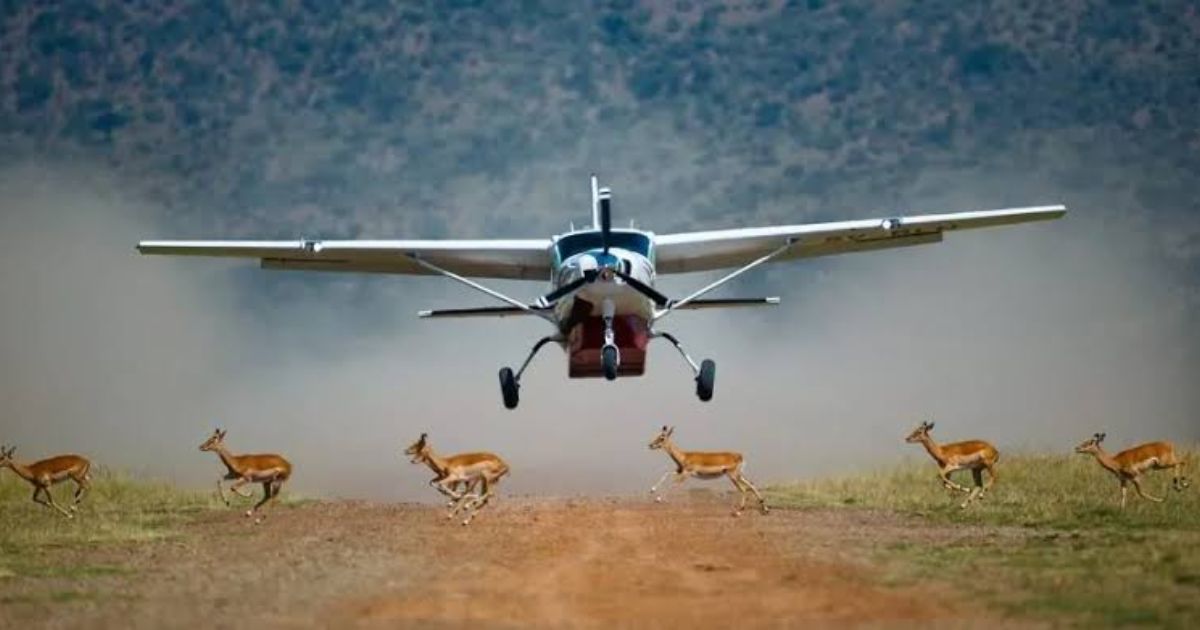
An air safari offers a completely different dynamic. Instead of driving for hours, you head to Wilson Airport in Nairobi. This is the main hub for domestic bush flights. You board a small, scheduled light aircraft, such as a Cessna Caravan. Within an hour, you touch down on a dirt airstrip right in the middle of a national park.
1. Save Time with a Fly-in Safari Kenya.
Flying is incredibly efficient. A journey that takes six hours by road takes only 45 minutes by air. You literally skip the traffic and the bumpy dirt roads. Because the travel time is so short, you arrive at your luxury lodge feeling fresh. You can often squeeze in an extra game drive on the very day you arrive. For travelers with limited vacation days, flying maximizes your time in the wild.
2. Spectacular Aerial Views.
Flying low over the savannah provides breathtaking views. You get a true sense of how massive the wilderness really is. On a clear day, you can spot herds of elephants or wildebeest moving across the plains from the sky. It is a thrilling way to begin your adventure.
Fly-in Safari Kenya vs Road Safari: Key Differences.
To make the best choice, you need to weigh several key factors. Let us look closely at how driving compares to flying across different categories.
1. Comfort and Fatigue.
If comfort is your top priority, flying wins easily. Long drives on rough terrain can be exhausting. This is especially true for older travelers or those with back problems. Flying eliminates the physical toll of the road. You arrive at your destination fully energized and ready to explore. Road trips, on the other hand, require a higher tolerance for long hours sitting down.
2. Travel Time and Efficiency.
Road travel consumes a lot of daylight. Moving from one park to another can take up a whole day. Flying shrinks these distances drastically. You can wake up in Amboseli National Park, catch a morning flight and be in the Masai Mara in time for a late lunch. Flying allows you to easily combine parks that are geographically very far apart.
3. Flexibility and Sightseeing.
Driving offers superior flexibility. If you see something interesting along the highway, you can ask your driver to stop. You can visit curio shops, grab a snack at a roadside café or take photos of interesting landscapes. Your schedule is mostly your own. Flights operate on strict, scheduled timetables. You must be at the airstrip at a specific time, leaving less room for spontaneous en-route stops.
4. Luggage Allowances.
This is a critical difference that catches many travelers off guard. If you drive, your 4×4 vehicle has ample space. You can bring large, hard-sided suitcases. If you fly, strict aviation weight limits apply. Light aircraft usually restrict passengers to 15 kilograms of luggage. Furthermore, your luggage must be in soft-sided duffel bags. Hard suitcases cannot fit into the small cargo pods of these planes.
5. Overall Value and Budget.
Your budget plays a huge role in this decision. Road trips are generally the more cost-effective choice. The expenses are spread out, making it an excellent option for group travel. Flying is considered a premium upgrade. Domestic bush flights add a premium layer to your itinerary. However, many travelers feel the extra investment is entirely worth the time saved and the added comfort.
Best Destinations for Bush Flights.
Certain parks are much easier to access by air than by road. Here are the top destinations where taking a flight makes the most sense.
1. Masai Mara National Reserve.
The Masai Mara is the crown jewel of wildlife viewing. It is famous for the Great Migration and huge populations of big cats. Driving there from Nairobi takes a long time. Flying gets you to the Mara in under an hour. The reserve has several airstrips, such as Keekorok, Ol Kiombo and Musiara. Your plane will land at the airstrip closest to your specific lodge.
2. Amboseli National Park.
Amboseli is renowned for its massive elephant herds and views of Mount Kilimanjaro. While the drive from Nairobi is shorter than the drive to the Mara, flying is still popular. Taking a flight between Amboseli and the Masai Mara is the smartest way to combine these two iconic parks. It saves you an entire day of driving back through Nairobi.
3. Tsavo and Samburu National Parks.
Tsavo is massive and remote. Samburu is located far in the arid north. Driving to these remote regions takes significant time. Flights easily connect these distant parks to the rest of the country. Flying makes it possible to see the unique wildlife of Samburu without enduring a grueling, multi-day road transfer.
Can You Combine a Road and Fly-in Safari?
Yes, absolutely! You do not have to choose just one method. The “fly-drive” combination is highly popular among smart travelers.
You can choose to drive from Nairobi to your first destination. This allows you to experience the scenic Great Rift Valley and see the countryside. After spending a few days in the bush, you can fly back to the city. This saves you from having to endure the bumpy dirt roads a second time. It is the perfect compromise. If you want to build a custom hybrid itinerary, you can seamlessly book your logistics through www.masaiafricasafaris.com.
Who Should Choose a Fly-in Safari or Road Safari?
Still unsure? Let us break down the best choices based on different types of travelers.
- Honeymooners: Fly. It is romantic, private and highly comfortable. It avoids the exhaustion of long road transfers, keeping the mood relaxed and luxurious.
- Families with Young Kids: Fly. Children get restless on long car rides. A quick flight prevents tantrums and gets the family straight to the fun parts of the trip.
- Budget-Conscious Travelers: Drive. It is highly cost-effective and provides a fantastic, authentic adventure. It is the best way to stretch your holiday funds.
- Wildlife Photographers: Drive. Having a dedicated 4×4 from Nairobi means you have total control over your gear space. You do not have to worry about the strict 15-kilogram flight limits for your heavy camera lenses.
10 Frequently Asked Questions (FAQs).
1. What exactly is a flying package?
A flying package is a holiday where your main transport between the city and the national parks is done via light aircraft instead of a road vehicle. Game drives inside the park are still conducted in 4×4 vehicles.
2. Is traveling on light aircraft safe?
Yes. Domestic aviation is highly regulated. The airlines operating bush flights use experienced pilots who fly these specific routes every single day. The aircraft are meticulously maintained to meet strict safety standards.
3. What is the luggage limit for bush flights?
Passengers are strictly limited to 15 kilograms of luggage per person. This limit includes both your main bag and your carry-on item. Bags must be soft-sided to fit in the small cargo holds.
4. What happens if my luggage is too heavy for the flight?
If your bag exceeds the weight limit, you will be required to pay an extra freight fee at the airport. In some cases, if the flight is completely full, excess luggage may be left behind or sent on a later flight.
5. Can I combine a drive and a flight on the same trip?
Yes, this is a very common request. Many tourists choose to drive to their destination to enjoy the scenery and then fly back to the city to save time and avoid fatigue.
6. Which option is better for spotting wildlife?
Both options provide great wildlife viewing once you are inside the park. However, flying gives you more actual time in the park because you waste less daylight traveling on the highway.
7. Where do these domestic flights depart from?
Most bush flights depart from Wilson Airport in Nairobi. This is a smaller, domestic airport. It is located a short distance away from Jomo Kenyatta International Airport (JKIA).
8. Will I miss out on the local culture if I fly?
Flying does skip the rural road stops. However, most luxury lodges offer cultural visits to nearby Maasai or Samburu villages. You can still experience rich local traditions during your stay.
9. Is an overland road trip too exhausting for seniors?
It depends on their physical health. The unpaved roads near the parks are quite bumpy. For elderly travelers or those with mobility issues, flying is highly recommended for a smoother, pain-free experience.
10. How do I book a customized package for my family?
It is highly recommended to use a reputable local operator who handles all the flight bookings, ground transfers and lodge reservations. You can visit www.masaiafricasafaris.com to build a personalized itinerary.
Conclusion.
Deciding how to navigate the vast African wilderness is a key step in your planning process. A classic overland journey provides a rugged, authentic adventure. It allows you to see the beautiful countryside and is highly economical. Conversely, taking to the skies offers unmatched comfort, incredible aerial views and brilliant time efficiency. It gets you straight into the heart of the action.
Ultimately, there is no wrong choice. It all depends on your personal preferences, your timeline and your comfort levels. Whether you want to conquer the dusty trails in a rugged Land Cruiser or soar above the savannah clouds, your adventure awaits. Do not let the logistics overwhelm you. To start planning a seamless and unforgettable experience, get started today at www.masaiafricasafaris.com. Your perfect wild escape is just a few clicks away!