

AImagine waking up to the sight of a shimmering alkaline lake framed by golden savannah and towering acacia trees, teeming with vibrant wildlife. For nature lovers and adventure seekers, Lake Nakuru Safari Tours offer exactly that—a front-row seat to one of Kenya’s most magical and dynamic ecosystems. It is known globally for incredible bird watching and a highly successful rhino sanctuary. This destination provides a completely unique experience compared to other parks in the Great Rift Valley.
Perhaps you dream of seeing endangered rhinos roam freely. Maybe you want to witness flocks of pelicans and flamingos taking flight. Organizing your trip with www.masaiafricasafaris.com ensures a seamless, unforgettable journey. This comprehensive guide explores everything you need to know. We cover tracking rhinos, identifying rare birds and maximizing your time in Lake Nakuru National Park.
The Magic of Lake Nakuru National Park.
Lake Nakuru National Park, located on the floor of the Great Rift Valley, is a compact but incredibly diverse wildlife haven. The Masai Mara features vast, endless plains. Nakuru offers a striking and contrasting landscape instead. You will find alkaline lake shores, dense acacia woodlands, rocky escarpments and beautiful grassy plains.
This diversity in terrain is exactly what makes the park so special. A short game drive reveals incredible contrasts. You might watch waterbirds wade in the shallow soda lake. Soon after, you could track elusive leopards in the forested hills. The park was originally established as a bird sanctuary in 1961. It has since evolved into a critical stronghold for endangered mammal species. Today, it ranks among the absolute best places for a Kenya safari package.
Rhino Tracking: A Conservation Success Story.
One of the primary reasons travelers book Lake Nakuru Safari Tours is to visit the park’s renowned rhino sanctuary. Kenya has worked tirelessly to protect these magnificent creatures from poaching. Lake Nakuru stands as a shining example of conservation done right.
- The Black Rhino: Known for their pointed upper lips, black rhinos are browsers. This means they feed on bushes, leafy trees and shrubs. They are generally more solitary and shy than their white counterparts. The park provides a secure, fenced sanctuary environment. Thanks to this, their population has steadily increased. Nakuru is now one of the most reliable places in East Africa to spot them.
- The White Rhino: Larger and more socially active, white rhinos are grazers with wide, square lips suited for eating grass. You will often see them wandering in small family groups along the scenic shores. They also graze peacefully in the open plains.
Tracking these prehistoric-looking mammals is a thrilling experience. Your expert guides from www.masaiafricasafaris.com know the preferred habitats and travel corridors of these rhinos. This expertise ensures you get the best possible viewing and photography opportunities. They also ensure you maintain a safe, respectful distance.
Bird Watching in Kenya: The Flamingo Spectacle.
Lake Nakuru has long been celebrated as an ornithological paradise. It has earned a reputation as one of the world’s premier bird watching destinations. The park is home to over 450 different bird species. This immense variety makes it a must-visit location for both casual birders and serious twitchers.
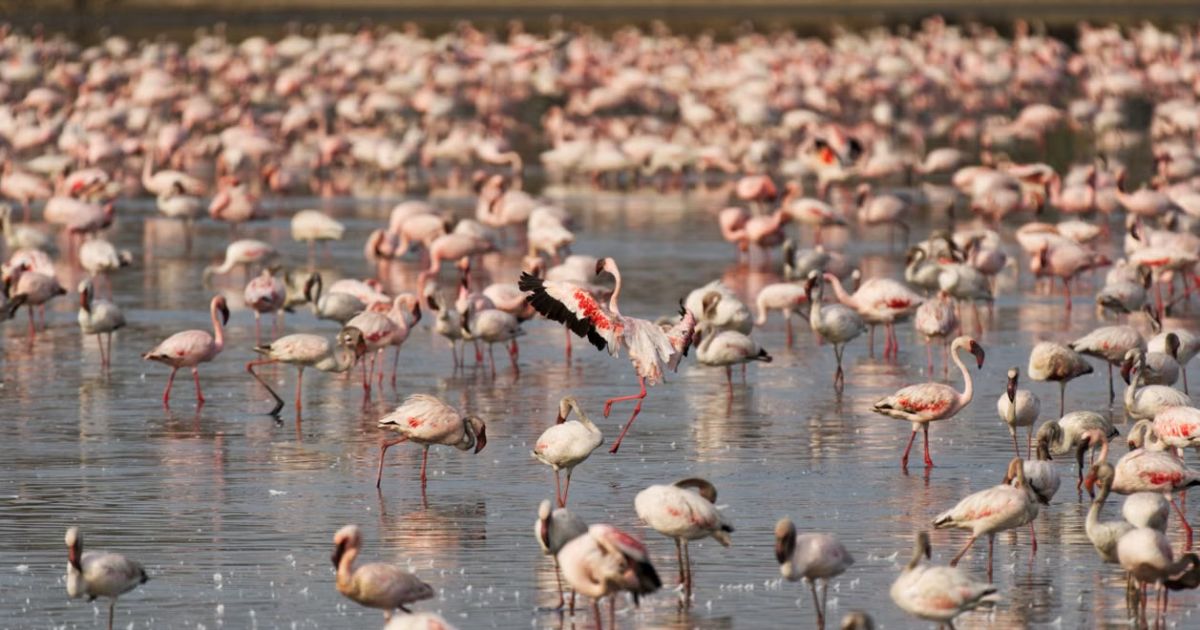
- The Famous Flamingos: The lake is most famous for its flocks of vibrant pink flamingos. The alkaline waters create the perfect environment for cyanobacteria (blue-green algae). This algae is the primary food source for the Lesser Flamingo. The Greater Flamingo, which is taller and lighter in color, also flocks here to feed on small crustaceans. Water level fluctuations occasionally cause the flocks to migrate to nearby Rift Valley lakes. However, Nakuru remains a legendary hotspot for these beautiful birds.
- Pelicans and Waterfowl: Beyond flamingos, the lake shores are often packed with Great White Pelicans, cormorants, and Goliath herons. Watching a massive squadron of pelicans gliding over the water is a sight you will never forget.
- Birds of Prey and Forest Species: The park’s rocky cliffs and acacia woodlands provide nesting grounds for majestic birds of prey. These include the African Fish Eagle, Verreaux’s Eagle and various hawks.
Beyond Rhinos and Birds: Other Wildlife Encounters.
While rhinos and birds steal the spotlight, Lake Nakuru Safari Tours offer incredibly rich general wildlife viewing. The park’s compact size means animal densities are high. You can expect action-packed game drives every single day.
- The Rothschild’s Giraffe: Lake Nakuru is a vital sanctuary for the endangered Rothschild’s giraffe. They are distinguished by their pale coloring and spotless lower legs. This makes them look like they are wearing white knee-high socks. These graceful giants thrive in the park’s dense acacia forests.
- Tree-Climbing Lions: Other parks are famous for tree-climbing lions. However, Lake Nakuru also hosts prides that have adopted this unusual behavior. Keep an eye on the sturdy branches of fever trees during the heat of the day. You might just spot a lion resting high above the ground.
- Leopards and Predators: Baboon Cliff and Lion Hill are excellent areas to scan for the elusive leopard. Though they are masters of camouflage, the rocky outcrops and dense forests provide their ideal habitat. Hyenas and jackals are also commonly seen patrolling the plains.
- Plains Game: You will encounter large herds of Cape buffalo throughout your safari. Playful troops of baboons, waterbucks, impalas and zebras are also abundant.
Scenic Highlights and Viewpoints.
A safari in Lake Nakuru is not just about the animals. The landscapes themselves are breathtaking. When you book your adventure, your itinerary will include stops at the park’s most iconic viewpoints.
- Baboon Cliff: This cliff offers a panoramic view of the entire lake and the surrounding Great Rift Valley. It is a spectacular spot for landscape photography. You can watch the birdlife contrasting with the deep blue water from high above.
- Makalia Falls: This scenic waterfall sits at the southern end of the park. It is a fantastic place to stretch your legs and safely exit the vehicle. You can relax and listen to the soothing sound of cascading water.
- Out of Africa Lookout: This is another stunning elevated vantage point. It provides sweeping views of the acacia woodlands and the sprawling lake.
Best Time to Go on a Lake Nakuru Safari.
Lake Nakuru is a fantastic year-round destination. However, your experience can vary depending on the season.
- The Dry Season (June to October, January to February): This is widely considered the best time for wildlife viewing. The bush is less dense, making it much easier to spot animals. Wildlife also tends to congregate around reliable water sources. Furthermore, the roads are in excellent condition.
- The Wet Season (March to May, November to December): The rains transform the park into a lush, emerald-green paradise. This is the absolute best time for bird watching in Kenya. Migratory species arrive in huge numbers, and breeding plumage is on full display. You might experience some afternoon showers, but the dramatic skies make for incredible photography.
What to Expect on Your Safari Game Drives.
A typical day on a Lake Nakuru safari begins early. The crisp morning air is when predators are most active. Additionally, the lighting is perfect for capturing the sunrise over the lake. Your specialized 4×4 safari vehicle features a pop-up roof. This provides 360-degree views to ensure you never miss a rare sighting.
Spend your morning exploring the acacia forests and lakeshore. Afterward, you will return to your lodge for a hearty breakfast. Alternatively, you can enjoy a packed picnic at one of the park’s scenic sites. Afternoon game drives often focus on different habitats. You might visit the rocky escarpments where leopards hide or the grassy plains where rhinos graze. Your knowledgeable guide will share fascinating insights into the ecosystem. This ensures your trip is highly educational as well as thrilling.
Lake Nakuru Safari Tours: Photography Tips for Lake Nakuru.
For those looking to capture the ultimate wildlife shot, Lake Nakuru is highly rewarding.
- Lenses: Bring a telephoto lens (at least 300mm to 400mm). This is essential for capturing rhinos at a distance and zooming in on small, colorful birds.
- Lighting: Take advantage of the “Golden Hour” shortly after sunrise and just before sunset. This time provides the softest, most dramatic lighting for wildlife photography.
- Dust Protection: The Rift Valley can be quite dusty during the dry season. Bring protective covers for your equipment. A simple cloth wrapped around your camera gear works well when driving between sightings.
Accommodation Options: Where to Stay.
Lake Nakuru National Park offers fantastic accommodation options. These range from luxury lodges to comfortable tented camps. Perhaps you want sweeping views of the lake right from your balcony. Maybe you prefer a cozy camp tucked away in the forest. There is something to suit every preference.
Lodges located inside the park boundaries offer incredible convenience and stunning vistas. For a more exclusive feel, boutique cliffside camps provide ultimate luxury. When booking with www.masaiafricasafaris.com, our team matches you with the perfect lodge. We cater directly to your travel style and comfort needs.
(Note: Park entry fees and lodge rates fluctuate over time based on season and residency. Therefore, we avoid listing standard rates that quickly become outdated. Instead, we always provide custom, up-to-date quotes.)
Use this interactive checklist to ensure you have all the essentials packed for your Rift Valley adventure:
10 Frequently Asked Questions (FAQs) About Lake Nakuru Safari Tours.
-
What is Lake Nakuru National Park famous for?
It is globally renowned for its massive flocks of flamingos and incredible bird watching. It also boasts a highly successful black and white rhino sanctuary.
-
How far is Lake Nakuru from Nairobi?
The park is located approximately 156 kilometers northwest of Nairobi. This usually takes about a 2.5 to 3.5-hour drive. It is highly accessible for both day trips and overnight safaris.
-
Will I definitely see flamingos on my tour?
Nakuru is a famous flamingo habitat, but their numbers fluctuate based on the lake’s water levels and alkalinity. Even when numbers are lower, the park offers over 450 other beautiful bird species.
-
Is Lake Nakuru safe for tourists?
Yes, the park is very safe. You will be accompanied by professional guides. Visitors must strictly follow Kenya Wildlife Service (KWS) rules. For instance, you must remain inside vehicles except at designated viewpoints.
-
Can I see the Big Five in Lake Nakuru?
You can easily see four of the Big Five: lions, leopards, rhinos and buffalo. Elephants are not found in Lake Nakuru National Park. The fenced environment cannot sustain their massive dietary and migratory needs.
-
What should I wear on a game drive?
Dress in comfortable layers. Early mornings can be chilly, but it warms up quickly during the day. Wear neutral colors like khaki, olive or brown to blend in seamlessly with the environment.
-
Do I need a 4×4 vehicle to explore the park?
Some main roads are accessible by standard vehicles during the dry season. However, a customized 4×4 safari cruiser is highly recommended. It provides better visibility, navigates muddy wet-season roads effortlessly and ensures overall comfort.
-
How many days do I need for a Lake Nakuru safari?
A 1 to 2-night stay is perfect. This allows you to experience early morning and late afternoon game drives. These are the most active times for local wildlife.
-
Are there guided walking safaris available?
Generally, visitors must stay in their vehicles to protect against dangerous wildlife. However, you can walk around safely at designated spots. These safe zones include Baboon Cliff and Makalia Falls.
-
How do I book a Lake Nakuru tour?
The best way to secure a well-planned, expertly guided experience is by booking through a trusted operator. Visit www.masaiafricasafaris.com to get started. They handle everything from transportation and park fees to the best lodge bookings.
Conclusion: Lake Nakuru Safari Tours.
A journey to the Great Rift Valley is incomplete without visiting Lake Nakuru National Park. You must experience its distinct beauty and thrilling wildlife encounters. Also you will experience the intense excitement of tracking endangered rhinos through the acacia woodlands. You will also enjoy the serene beauty of thousands of waterbirds gathered along the shoreline. Ultimately, Lake Nakuru Safari Tours deliver an adventure that captivates every sense. The combination of dense wildlife, successful conservation programs and stunning viewpoints is unmatched. It makes this park an absolute jewel in Kenya’s tourism crown.
Ready to pack your binoculars and hit the African trails? Head over to www.masaiafricasafaris.com to customize your perfect itinerary. Perhaps you are an avid birder or a wildlife photographer. Maybe you are a family seeking the ultimate holiday. Regardless of your travel style, your unforgettable Kenyan safari awaits!