

Imagine standing on the edge of a massive golden plain, the ground beneath your feet vibrating as more than a million animals move together. If you want to experience this raw spectacle, choosing the right Wildebeest Migration Safari Packages is the most important step for your travel plans. The Great Migration is a year-round, natural wonder that completely transforms the landscape of East Africa. It is a journey driven by basic survival instincts, where immense herds search endlessly for green grass and fresh water.
For most travelers, the ultimate goal is to see the iconic river crossings, where thousands of animals jump into crocodile-filled waters. To help you plan your bucket-list trip, this comprehensive guide will break down the ideal booking windows, highlight the prime viewing spots and outline what drives Kenya safari prices. Working with a dedicated local expert like www.masaiafricasafaris.com ensures that you are always in the right place at the right time.
Why the Great Migration is a Must-See Experience.
The Great Migration is often called the world’s largest wildlife show on earth. It is not just the sheer number of animals that makes it incredible, but the dramatic tension that follows them every single kilometer. Predators like lions, leopards and hyenas trail the moving columns, waiting for any sign of weakness.
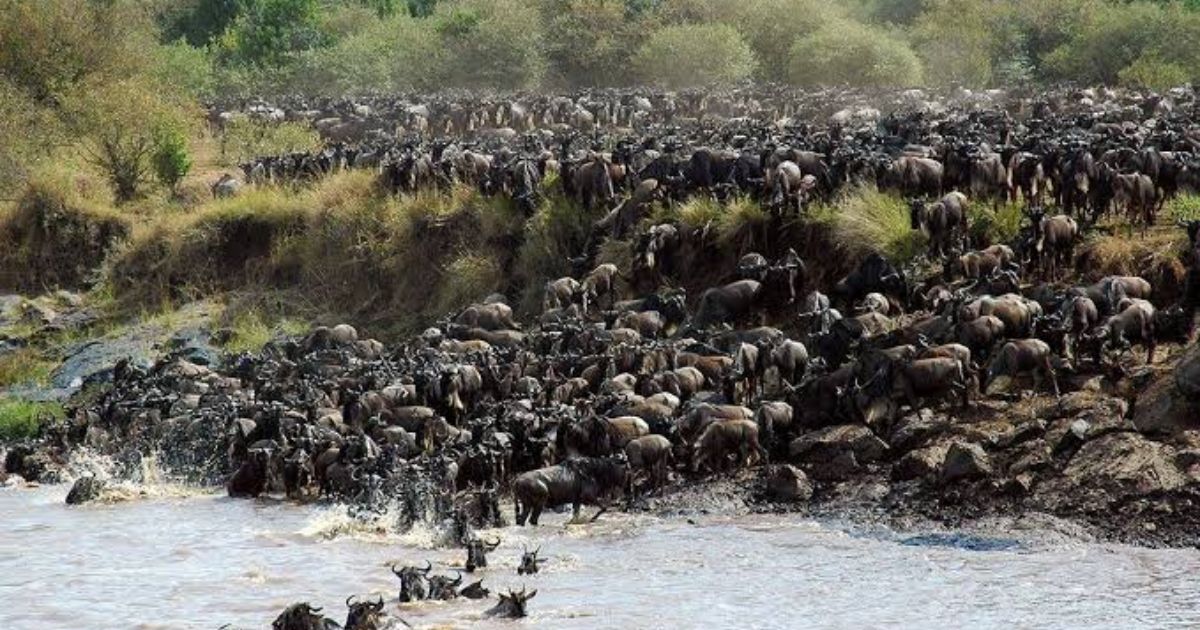
When the herds finally arrive at the rivers, they face their most dangerous obstacle. Huge Nile crocodiles lie completely still in the water, waiting patiently for the first animal to dive in. This high-stakes environment is exactly why a Mara river crossing safari is one of the most requested travel experiences globally.
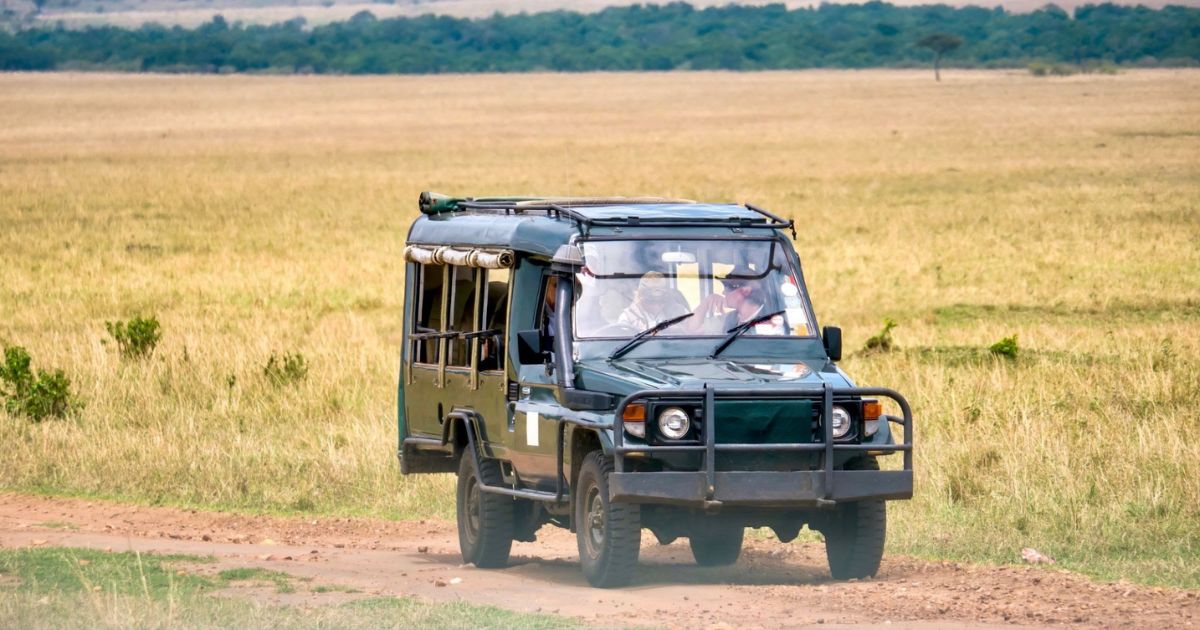
By selecting professional Masai Mara safari packages, you secure a front-row seat to this wild display. Specialized open-top 4×4 vehicles and expert local guides give you a safe, clear view of the wildlife action while respecting the natural environment.
The Seasonal Route: Choosing the Best Time to Visit Masai Mara.
A very common mistake travelers make is assuming that the migration only happens for a few weeks out of the year. The movement is actually a continuous, predictable loop. However, the best time to witness the great wildebeest migration depends entirely on which specific events you want to experience.
For those who want to see the dramatic river crossings in Kenya, the travel window is tight and highly competitive. Let us trace the journey across the calendar to help you decide the best time to book your adventure.
| Season / Months | Location | Key Wildlife Event |
| January – March | Southern Serengeti (Tanzania) | Calving season; thousands of babies born daily. |
| April – June | Central & Western Serengeti | Moving columns; crossing the Grumeti River. |
| July – October | Masai Mara National Reserve (Kenya) | Dramatic Mara River crossings; peak action. |
| November – December | Moving back south | Short rains begin; herds return south. |
July to October: The Peak Crossing Window.
This is the golden window for anyone looking at Great Migration Kenya safari packages. By mid-July, the herds have eaten their way through northern Tanzania and stand on the banks of the Mara River.
The crossing itself is pure chaos. The animals bunch up on the rocky cliffs, sometimes waiting for days out of fear. When one brave wildebeest finally leaps, a massive chain reaction follows. August and September offer your absolute highest statistical chances of catching multiple crossings. Because demand is so high, Masai Mara migration 2026 spots are already booking up rapidly.
3 Prime Locations for Watching the River Crossings.
The Masai Mara ecosystem is massive, and the animals do not cross in just one spot. Knowing where to base yourself can make or break your photography and viewing goals. Here are the three primary areas you need to consider when mapping out your itinerary.
1. The Iconic Mara River Points.
The main reserve holds the major crossing points, numbered by guides from one to ten. Locations near Lookout Hill provide wide, sweeping views of the river valleys where tens of thousands of animals gather. Your driver-guide will keep a close eye on the herds’ behavior, watching for the telltale dust clouds that signal a crossing is about to start. The main Mara River features steep, slippery banks, which creates the dramatic leaps you see in wildlife documentaries.
2. The Talek River Tributary.
While smaller than the Mara River, the Talek River is another crucial water system where animals cross to find sweeter grass. The crossings here are generally less steep and dangerous, but they offer beautifully close-up views of the zebras and wildebeests navigating the running water. The lighting around the Talek River in the early morning is also spectacular for photography, offering golden hues reflecting off the splashing water.
3. Main Reserve vs. Private Conservancies.
When customizing your tour on www.masaiafricasafaris.com, you will have to choose between staying inside the national reserve or within the surrounding private conservancies.
-
The Main National Reserve: This is where the actual river crossings happen. It features incredible wildlife density but can experience heavy vehicle traffic during peak hours, especially during a massive river crossing.
-
Private Conservancies: Areas like Mara North or Olare Motorogi offer strict limits on vehicle numbers, meaning you often have wildlife sightings entirely to yourself. While you cannot see the major river crossings directly inside a conservancy, you can enjoy private night drives and guided walking safaris, then take a dedicated full-day trip down to the river when the herds are active.
Wildebeest Migration Safari Packages: 3 Tiers of Kenya Safari Prices.
A safari is a significant investment and understanding how pricing structures work helps you budget correctly. Costs vary heavily based on your style of transport, choice of camp, time of year and whether you fly or drive. While exact figures fluctuate by season and availability, safari packages are generally categorized into three distinct tiers.
1. Budget-Friendly Safari Kenya Options.
For budget-conscious or solo travelers, a budget safari Kenya package keeps costs down without sacrificing the wildlife experience. You will typically stay in comfortable, semi-permanent tented camps located just outside the main park gates. These accommodations have basic amenities like hot showers and clean beds. These tours often utilize shared safari minivans with pop-up roofs, which are cost-effective to operate. You might also join a small group of other travelers, which splits the cost of the vehicle and guide. This is an excellent entry-level option for backpackers and adventurous groups.
2. Mid-Range Comfort Packages.
This tier perfectly balances comfort, value, and prime locations. You will stay in lovely boutique lodges or spacious canvas tented camps situated directly inside the reserve borders or in prime conservancy locations. These properties feature large, comfortable beds, 24-hour electricity, en-suite bathrooms and excellent dining options. Furthermore, your transport is typically upgraded to a rugged, custom-built 4×4 Toyota Land Cruiser. These vehicles handle the rough dirt tracks much better than minivans and offer superior suspension and photography angles.
3. Luxury Premium Safari Experiences.
Luxury packages offer top-tier exclusivity and ultimate comfort. Think highly intimate boutique bush camps with massive canvas walls, fine dining under the African stars, private plunge pools overlooking the savanna and dedicated wildlife spotters. The service level is incredibly high, often matching a five-star hotel. Luxury packages frequently include “fly-in” options, where you board a small bush plane in Nairobi and land directly on an airstrip in the Masai Mara, completely bypassing the long overland drive. You also gain access to exclusive extras like hot air balloon rides at sunrise and private bush breakfasts.
Top Itineraries for a Migration Safari.
Most travelers combine the migration with other iconic destinations in Kenya to get a complete feel for the country. Here are three highly recommended routes depending on your available vacation time.
1. The Classic 3-Day Express Mara Safari.
Ideal for travelers with limited time, or business visitors based in Nairobi who want a quick weekend escape to the wild.
2. The 5-Day Lakes and Maasai Culture Route.
A fantastic, diverse route that breaks up the driving distances and combines birdwatching, water safaris and prime migration tracking.
- Day 1: Drive from Nairobi to Lake Nakuru National Park for world-class rhino tracking and flamingo sightings.
- Day 2: Travel a short distance to Lake Naivasha to enjoy a boat safari among hippos and a walking safari on Crescent Island.
- Day 3: Head deep into the Masai Mara National Reserve, arriving in time for an evening game drive as the sun sets over the savanna.
- Day 4: A dedicated full-day safari tracking the Great Migration herds near the major river banks.
- Day 5: Participate in a cultural visit to an authentic Maasai village to learn about traditional ways of life before returning to Nairobi.
3. The 7-Day Ultimate Wilderness Safari.
The absolute best option for photographers, families and wildlife enthusiasts who want a complete picture of Kenya’s diverse ecosystems without feeling rushed.
- Days 1-2: Explore Amboseli National Park—famous for its massive herds of big tusker elephants and unobstructed views of Mount Kilimanjaro.
- Day 3: Transit through the Great Rift Valley with a relaxing stopover at Lake Naivasha for a boat safari.
- Days 4-6: Three full days dedicated entirely to the Masai Mara. Having three days maximizes your chances of witnessing multiple river crossings and observing complex predator behavior.
- Day 7: Catch a morning flight from the Mara airstrip or drive back to Nairobi in time for your international flight home.
Essential Tips for Planning Your Migration Journey.
To make sure your African adventure is smooth, comfortable and stress-free, keep these practical tips in mind:
-
Book 8 to 12 Months Ahead: Because the crossing season is short and highly sought after globally, the best rooms and expert guides sell out fast.
-
Manage Your Expectations: A river crossing cannot be scheduled. You might sit by the riverbank for two hours watching the animals change their minds and walk away. Trust your guide’s instincts; patience is crucial.
-
Pack Neutral Colors: Dust is a major part of the authentic safari experience. Pack lightweight clothing in khaki, brown and olive green. Avoid bright whites that show dirt quickly, and avoid dark blues or blacks, which can attract tsetse flies.
-
Invest in a Good Camera Lens: The action often happens across a wide riverbank and off-road driving is strictly prohibited near the river. A zoom lens with at least a 300mm to 400mm focal length is highly recommended for clear, close-up wildlife photos.
-
Bring Warm Layers: While the daytime is hot, the early morning game drives in an open-sided vehicle can be freezing. Pack a warm fleece jacket or windbreaker.
-
Consider Travel Insurance: Ensure your travel insurance covers medical evacuation. While safaris are very safe, being in remote wilderness areas means you should always be prepared.
Frequently Asked Questions (FAQs) on Wildebeest Migration Safari Packages.
Planning a trip to East Africa involves a lot of moving parts. Here are 10 of the most frequently asked questions about booking Wildebeest Migration Safari Packages.
1. What exactly is the focus of the Wildebeest Migration Safari Packages?
These specialized packages are designed by local experts to position you at the right camps and river viewpoints during the peak migration months. The goal is to ensure you have the highest possible chance of seeing the animals cross the major water systems safely and comfortably.
2. When is the absolute best time to visit Masai Mara for the crossings?
The most reliable window to see the Mara River crossings in Kenya is between late July and early October. August and September are universally considered the absolute peak months for dramatic river action.
3. What factors determine Kenya safari prices?
Kenya safari packages prices are determined by the standard of accommodation (budget tents vs. luxury lodges), the type of vehicle used (minivan vs. 4×4 Land Cruiser), whether you fly or drive into the parks, the length of your stay and whether you travel during peak season or the quieter shoulder seasons.
4. Are the river crossings dangerous for the animals?
Yes, it is easily the most dangerous part of their entire 1,000-kilometer journey. Many animals lose their lives due to steep, slippery riverbanks causing broken legs, incredibly strong river currents that sweep them away, chaotic stampedes within the herd or fatal attacks by the massive Nile crocodiles waiting in the water.
5. Can I see the migration if I book a trip in December?
By December, the main herds have usually moved back south across the border into the Serengeti plains of Tanzania to prepare for the calving season. However, the Masai Mara still holds incredible resident wildlife, including large prides of lions, leopards and elephants, making it a fantastic year-round destination even without the migration.
6. Is it safe to view the migration from an open-top vehicle?
Yes, it is completely safe. The wildlife in the reserve has grown up around safari vehicles and is well-accustomed to their shape, smell and sound. The animals view the vehicle as a single, large, non-threatening object. As long as you stay inside the vehicle and follow your guide’s safety instructions, you have nothing to worry about.
7. What should I pack for a migration safari in Kenya?
Pack lightweight, breathable layers for warm daytime temperatures, a warm fleece jacket for cold early-morning drives, a wide-brimmed hat to protect against the equatorial sun, high-quality sunscreen, insect repellent with DEET and a reliable pair of binoculars to see the action clearly across the river.
8. What is the difference between a minivan and a 4×4 Land Cruiser safari?
A custom 4×4 Land Cruiser offers significantly better ground clearance, a smoother ride on heavily rutted dirt tracks and superior traction in muddy conditions. Minivans are more affordable but are generally less comfortable on long, bumpy drives and have smaller windows for photography.
9. Do I need any specific vaccinations before traveling to Kenya?
Yes, routine travel vaccines (like Tetanus and Hepatitis A) are recommended, and Kenya is considered a malaria-risk zone, so preventative anti-malarial medication is strongly advised. The Yellow Fever vaccine is also required if you are traveling from a country with a risk of Yellow Fever transmission. Always consult a travel medicine clinic well ahead of your departure date.
10. How do I choose a reliable safari operator?
Look for registered local operators with excellent online reviews, responsive communication, transparent itineraries, and deep local knowledge of the ecosystem. Booking with an established expert ensures your money goes to a reputable source that employs highly trained guides. You can browse customizable options directly on www.masaiafricasafaris.com to build an authentic, safe, and thrilling itinerary.
Wildebeest Migration Safari Packages: Secure Your Adventure Today.
The Great Migration is a vivid reminder of the untamed, raw beauty of our planet. Watching the dramatic struggle at the riverbanks, hearing the thundering hooves and feeling the dust in the air is an experience that stays with you forever. It is the ultimate testament to the survival of the fittest.
Because the window for the river crossings is short and spectacular, spaces for the upcoming season are filling up exceptionally quickly. To secure the best accommodations, premium vehicle choices and highly experienced local guides, do not wait until the last minute. Head over to www.masaiafricasafaris.com and book your customized Wildebeest Migration Safari Packages today to claim your front-row seat for the 2026 river crossings!