

Picture yourself standing on the golden savannah as thousands of wildebeest thunder across the plains while an African sunset paints the sky in deep shades of orange and red. Taking your first trip to East Africa is an exciting journey, but planning it can feel overwhelming without the right Kenya Safari Travel Tips. To craft a seamless, unforgettable holiday without unexpected stress, expert guidance from trusted local specialists at www.masaiafricasafaris.com ensures your dream adventure becomes reality.
Entry Requirements & Travel Documents for Kenya
Before packing your bags, you need to clear the official paperwork. Kenya simplified its border controls by introducing an Electronic Travel Authorization (eTA) system. Nearly all foreign visitors—including tourists from the US, UK, Canada, Europe and Australia—must complete an online eTA application before boarding their flight.
Essential Entry Checklist:
- Valid Passport: Your passport must have at least six months of validity left from your arrival date and at least two blank pages.
- Approved Kenya eTA: Apply online through the official government portal at least 2 weeks before departure. You will upload your flight details, passport scan, and hotel confirmations.
- Yellow Fever Certificate: If you are traveling from or transiting through a yellow-fever endemic zone, border officials will ask to see your official yellow fever vaccination card.
- Return Flight Ticket: Proof of onward travel is required upon arrival at Jomo Kenyatta International Airport (NBO) in Nairobi.
Organizing these documents early prevents last-minute stress. Booking a custom package through Masai Africa Safaris gives you access to full pre-departure support, helping you double-check all paperwork before takeoff.
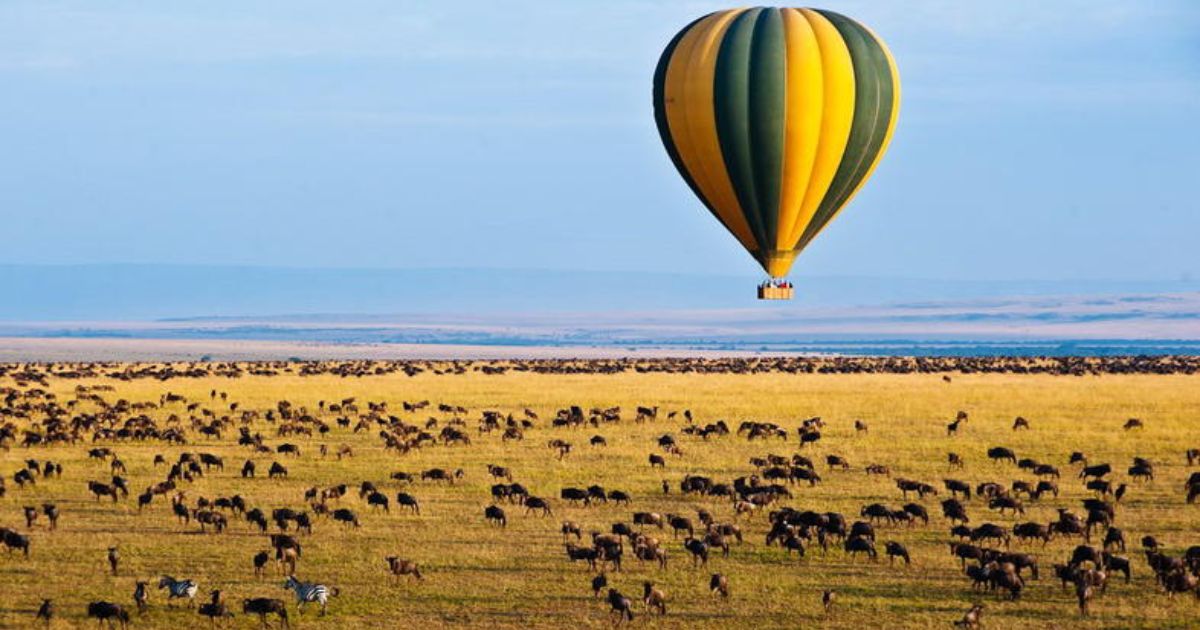
Best Time to Visit Kenya for a Safari.
Kenya is a year-round safari destination, but your overall experience depends heavily on the weather and wildlife movements. Understanding the distinct seasons helps you match your travel dates to your dream bucket-list goals.
+------------------+-------------------+-----------------------------------------+
| Season           | Months            | Highlights                              |
+------------------+-------------------+-----------------------------------------+
| Peak Dry Season  | July to October   | Great Migration, river crossings, clear  |
|                  |                   | wildlife viewings                       |
+------------------+-------------------+-----------------------------------------+
| Warm Dry Season  | January to March  | Calving season, lower crowds, warm weather|
+------------------+-------------------+-----------------------------------------+
| Green / Rains    | April to May      | Lush landscapes, lower rates, photography|
+------------------+-------------------+-----------------------------------------+
| Short Rains      | Nov to Dec        | Migratory birds, green scenery, baby    |
|                  |                   | animals                                 |
+------------------+-------------------+-----------------------------------------+
1. The Great Wildebeest Migration (July – October).
The Great Wildebeest Migration is the largest overland wildlife movement on Earth. Over 1.5 million wildebeest, zebras and gazelles move from the Serengeti into Kenya’s Masai Mara National Reserve. If seeing dramatic river crossings is high on your list, aim for August or September. Because this is peak season, lodges fill up up to a year in advance.
2. The Shoulder & Dry Season (January – March).
These months bring warm days, dry weather and excellent wildlife viewing. Water sources shrink, causing animals to gather around remaining waterholes. This makes big cats like lions, cheetahs and leopards easier to spot against sparse bush vegetation.
3. The Green Season (April – May).
Known as the “long rains,” April and May see heavier rainfall across the country. While some dirt tracks become muddy, this season offers luxury accommodations at deeply discounted rates. It is a dream period for wildlife photographers looking for vibrant green backgrounds and drama-filled skies.
Top Kenya Safari Parks Every First-Timer Must Visit.
Kenya houses iconic game reserves that provide distinct landscapes and wildlife experiences. Combining two or three parks on a single itinerary offers the best variety.
1. Masai Mara National Reserve.
The undisputed crown jewel of Kenya wildlife safaris. The Masai Mara boasts exceptional big cat populations, sweeping savanna horizons and rich tribal heritage. It is common to spot all of the “Big Five” (lion, leopard, elephant, buffalo and rhino) within a short 3-day window here.
2. Amboseli National Park.
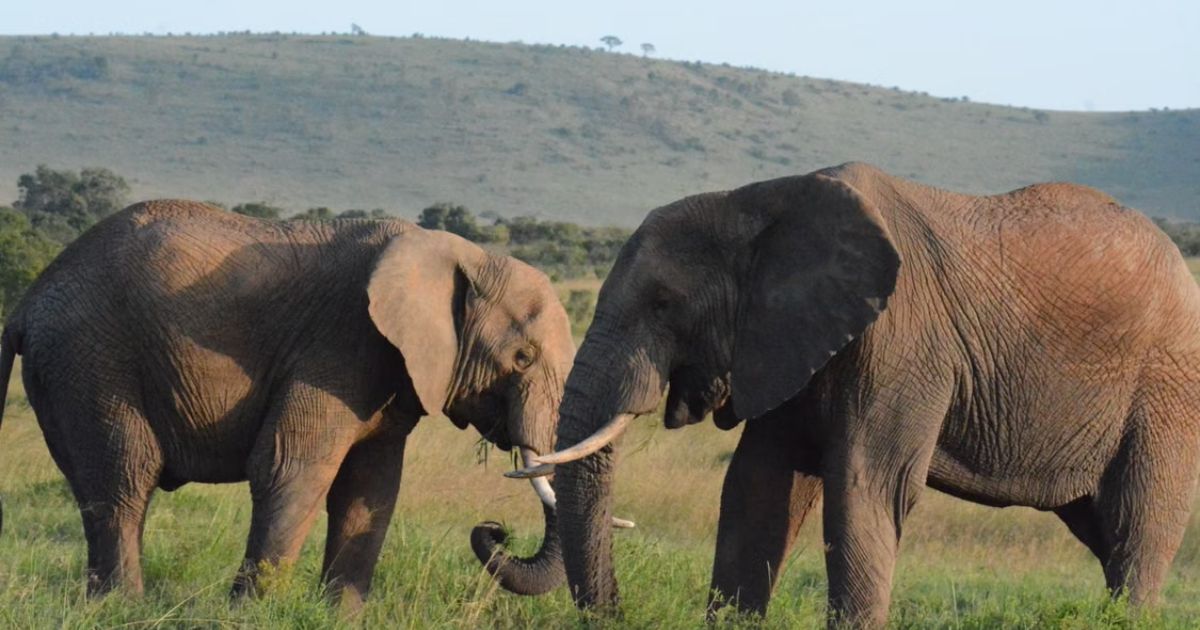
Famous worldwide for huge herds of free-roaming elephants frame-matched against Mount Kilimanjaro in neighboring Tanzania. Amboseli’s shallow swamps and dry lakebeds provide prime camera angles for spectacular wildlife photography.
3. Tsavo East & Tsavo West National Parks.
It forms one of the largest wildlife sanctuaries in the world. Tsavo East is famous for its dust-red elephants rolling in red clay, while Tsavo West features dramatic lava flows, natural springs and sanctuary protection for endangered black rhinos.
4. Lake Nakuru National Park.
Situated inside the Great Rift Valley, Lake Nakuru is famous for flamingos line-marking the shores alongside waterbuck, baboons and protected white and black rhinos. It is conveniently located near Nairobi, making it ideal for shorter 2-day itineraries.
5. Samburu National Reserve.
Located in northern Kenya, Samburu offers a rugged landscape home to rare wildlife species known as the “Samburu Special Five”: the reticulated giraffe, Grevy’s zebra, Beisa oryx, Somali ostrich and gerenuk (giraffe gazelle).
For tailored itineraries featuring these iconic parks, explore the customized packages available at www.masaiafricasafaris.com.
Practical Kenya Safari Packing List.
Packing for a safari requires balancing comfort, utility and strict light-aircraft luggage limits. Bush flights between national parks often impose a total weight limit of 15 kg (33 lbs) per passenger in soft-sided duffel bags.
1. Recommended Safari Clothing:
- Neutral Colors: Pack khaki, tan, olive green and beige clothing. Avoid bright colors like yellow or red (which startle wild animals) and dark blue or black (which attract tsetse flies).
- Layered Clothing: Mornings on open-top safari vehicles can be surprisingly chilly, while afternoons get hot. Pack lightweight t-shirts, fleece jackets, windbreakers and long pants.
- Footwear: Comfortable walking shoes or sturdy trail runners are ideal. You do not need heavy mountaineering boots unless you plan to trek Mount Kenya.
- Sun Protection: Bring a wide-brimmed sun hat, high-SPF sunscreen and polarized sunglasses to cut glare off dusty plains.
2. Essential Safari Electronics & Gear:
- Binoculars: A quality pair of 8×42 or 10×42 binoculars is vital for spotting distant cats or rare birds.
- Camera with Telephoto Lens: Smartphones take great wide shots, but a camera lens (200mm to 400mm minimum) captures close-ups of predators.
- Power Bank & Adapter Plug: Kenya uses UK-style 3-pin square plugs (Type G). Bring a portable power bank to charge devices during long game drives.
- Personal First-Aid Kit: Include prescription medications, anti-diarrheal tablets, painkillers, insect repellent with DEET and motion-sickness pills.
Kenya Safari Cost & Budgeting Tips.
Understanding Kenya safari costs helps you allocate your budget effectively. Safari pricing generally breaks down into three categories based on accommodation style, transit choice and season:
- Budget Safaris: Involves staying in basic canvas tents or budget camps outside main park gates, using shared safari minibuses (van conversion) and traveling in small groups.
- Mid-Range Safaris: Features comfortable permanent tented camps or lodges inside or near reserves, private 4×4 Land Cruiser transit and dedicated guide services.
- Luxury Safaris: Includes exclusive private conservancy access, luxury tented suites with private plunge pools, gourmet dining, fly-in charter flights and personalized private game drives.
Money Matters & Tipping Guidelines:
- Currency: The official currency is the Kenyan Shilling (KES), though US Dollars (USD) printed after 2013 are widely accepted at safari lodges and hotels.
- Cash vs. Cards: Credit cards are accepted in major hotels and city restaurants, but carrying small KES cash bills is essential for tips, souvenirs, and rural stops.
Kenya Safari Travel Tips: Health, Safety and Cultural Etiquette.
Kenya is a welcoming, safe travel destination, but maintaining general safety awareness ensures a trouble-free experience.
1. Health & Vaccinations.
- Malaria Prevention: Safaris take place in endemic areas. Consult a travel clinic at home for antimalarial tablets (such as Atovaquone/Proguanil or Doxycycline).
- Routine Vaccines: Ensure tetanus, Hepatitis A and Typhoid vaccines are up to date.
- Drinking Water: Never drink tap water. Drink bottled, filtered or boiled water provided by your lodge or safari vehicle.
2. Wildlife Safety Rules.
- Stay Inside the Vehicle: Never step out of your safari cruiser unless your guide explicitly tells you it is a designated safe area (like a picnic site).
- Keep Noise Levels Down: Speak in quiet, calm voices near animals so you do not stress them or cause them to run off.
- Never Feed Wildlife: Feeding monkeys, baboons or birds disrupts their natural foraging habits and breeds aggressive behavior.
3. Cultural Etiquette.
- Respect Local Communities: When visiting Maasai or Samburu villages, always ask for permission before taking photographs of individuals.
- Greetings: A friendly “Jambo” (Hello) or “Habari” (How are you?) goes a long way in connecting warmly with local hosts.
- Plastic Bag Ban: Kenya strictly bans single-use plastic carrier bags. Leave disposable shopping bags at home to avoid fines at customs.
How to Choose the Right Safari Type.
First-time visitors often wonder whether to choose a road safari or a fly-in safari:
- Road Safaris (4×4 Land Cruiser): Traveling by road with an experienced driver-guide allows you to view the Kenyan countryside, observe small towns and spot wildlife between parks. Standard 4×4 vehicles feature pop-up roofs for clear 360-degree photography.
- Fly-In Safaris: Utilizing internal bush flights from Nairobi’s Wilson Airport (WIL) directly to airstrips in the Masai Mara or Amboseli saves travel time. This option maximizes game drive time for travelers on tight schedules.
To combine the best of both worlds, consult the safari designers at www.masaiafricasafaris.com to craft a flight-and-drive combo tailored to your preferences.
Conclusion: Kenya Safari Travel Tips.
A Kenyan safari is more than just a vacation—it is a life-changing encounter with natural beauty, rich cultures and spectacular wildlife. From standing in awe on the grassy plains of the Masai Mara to watching elephants gather under Mount Kilimanjaro, the memories you build here last a lifetime.
By following these practical Kenya Safari Travel Tips, you are equipped to plan a safe, stress-free and inspiring holiday. Do not leave your dream safari to chance. Partner with local experts who know every trail, lodge and migration route. Visit www.masaiafricasafaris.com today to start planning your custom Kenya safari itinerary!
Frequently Asked Questions (FAQs) on Kenya Safari Travel Tips.
1. Do I need a visa to travel to Kenya?
Most international travelers must obtain an electronic Travel Authorization (eTA) online before arriving in Kenya. Applications can be submitted online weeks in advance. For up-to-date travel advice and seamless tour arrangements, contact www.masaiafricasafaris.com.
2. Is Kenya safe for first-time safari travelers?
Yes, Kenya is safe for international tourists, especially when traveling with an established tour operator. You will be accompanied by professional driver-guides from arrival to departure. Standard travel precautions apply in major cities like Nairobi.
3. How many days should a first-time Kenya safari last?
A period of 7 to 10 days is ideal for a first-time safari. This gives you enough time to explore two or three major wildlife parks (such as Masai Mara, Lake Nakuru and Amboseli) without feeling rushed.
4. What is the best month to see the Wildebeest Migration in Kenya?
The Great Migration is best viewed in the Masai Mara between July and October. August and September offer the highest chance of witnessing iconic Mara River crossings.
5. What clothing colors should I wear on a safari?
Wear neutral, earthy tones like khaki, tan, brown and light green. Avoid bright colors that disturb animals and steer clear of dark blue or black, which attract tsetse flies.
6. Are safaris suitable for families with children?
Absolutely! Kenya is a family-friendly destination. Many lodges offer family suites, child-friendly activities and bushcraft lessons. Check family safari options directly on www.masaiafricasafaris.com.
7. What currency should I bring on a Kenya safari?
Bring US Dollars (US bills printed after 2013) for tipping and major purchases. It is also helpful to convert a small amount into Kenyan Shillings (KES) for souvenirs and minor expenses along the way.
8. Is malaria a risk on safari in Kenya?
Malaria risk exists in certain safari regions. Travelers are advised to consult their doctor or travel clinic before flying to obtain appropriate preventive antimalarial medication and wear insect repellent during evening hours.
9. What is the difference between a National Reserve and a Private Conservancy?
National Reserves are government-managed public land open to all visitors, whereas Private Conservancies are privately managed areas owned by local communities. Conservancies limit vehicle numbers, offer exclusive off-road drives, and allow nighttime game drives.
10. How far in advance should I book my Kenya safari?
If traveling during peak migration season (July to October), book 6 to 12 months in advance to secure prime lodge availability. For off-peak travel, 3 to 6 months in advance is generally sufficient. Start customizing your trip today with www.masaiafricasafaris.com.