

Every year, thousands of travelers pack their bags and head to East Africa with one major goal in mind. They want to see the legendary African Big Five animals in their natural habitats. If you are planning a Big Five Safari Kenya adventure, you are in for an incredible experience. Kenya is one of the few places on earth where you can still spot all five of these majestic creatures during a single trip.
Historically, the term “Big Five” was created by big-game hunters. It did not refer to the physical size of the animals, but rather to how difficult and dangerous they were to track on foot. Today, the only shooting allowed is with your camera lens. From the roaring lions on the open plains to the quiet leopards hiding in the trees, a Kenya safari tour offers front-row seats to the best wildlife show on earth.
With so many national parks and reserves to choose from, knowing exactly where to go can feel overwhelming. To help you plan your dream holiday, we have put together this complete Kenya safari guide. Here is everything you need to know about where to find these famous animals with the help of the experts at www.masaiafricasafaris.com.
What Are the African Big Five Animals?
Before jumping into the best parks, let us quickly look at the specific animals you will be tracking on your African wildlife safari. Understanding their behaviors will make spotting them much easier and more rewarding.
-
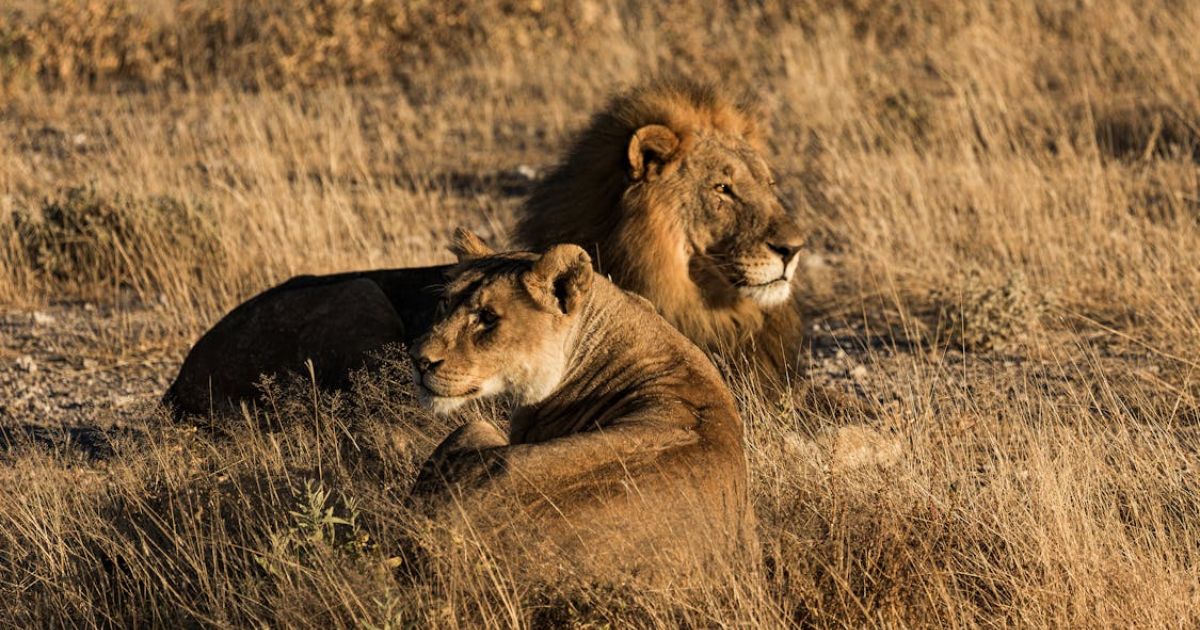
The Lion: Known as the King of the Jungle, lions are highly social cats that live in prides. Kenya has a healthy population of around 2,000 lions, making them relatively easy to find. Look for them resting under bushes during the heat of the day.
-
The African Elephant: These gentle giants are the largest land animals on earth. They travel in close-knit family groups led by an older female matriarch. They are highly intelligent and emotional creatures.
-
The Cape Buffalo: Do not let their cattle-like appearance fool you. Buffalos are incredibly strong, unpredictable, and fiercely protective of their herds. They are often considered the most dangerous of the five to encounter on foot.
-
The Leopard: This is the most elusive and shy member of the group. Leopards are solitary masters of camouflage, often dragging their heavy meals up into tree branches to keep them away from hyenas and lions.
-
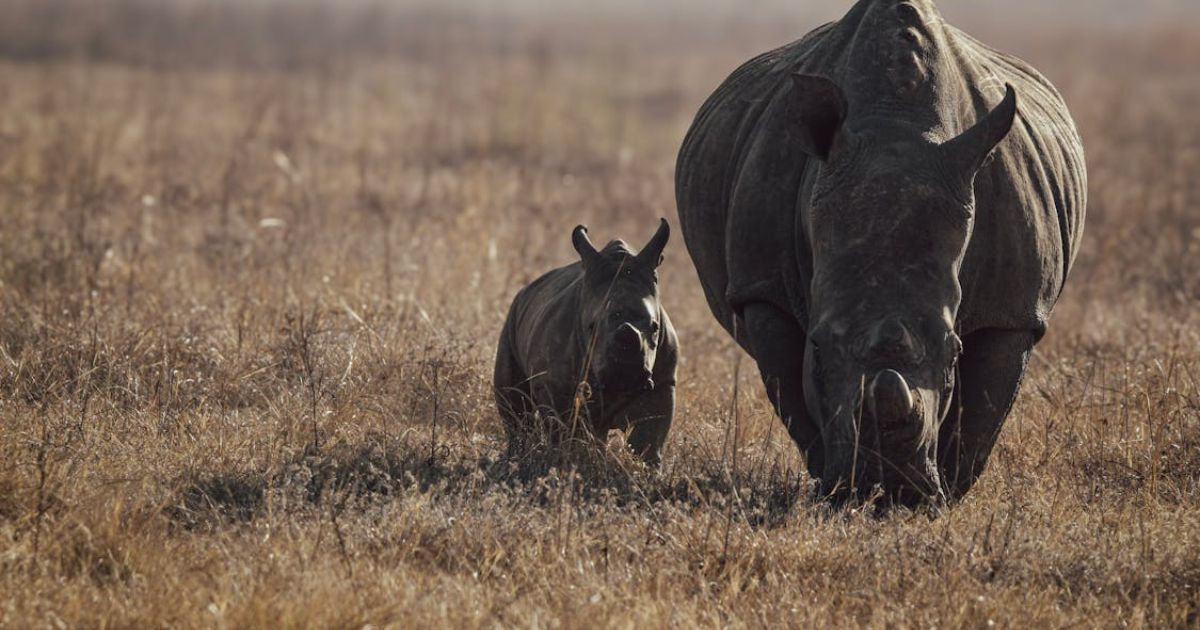
The Rhinoceros: Highly endangered and heavily protected, rhinos come in two types: black and white. Spotting a wild rhino is often the crown jewel of any East Africa safari due to their rare numbers.
Best Places to See the Big Five in Kenya.
To maximize your chances of seeing all five animals, you need to visit the right parks. While some locations host all five, others specialize in massive numbers of specific species. Many travelers choose to combine multiple locations into their Kenya safari packages to ensure they see everything.
| Destination | Best Known For | Big Five Success Rate | Best Luxury Lodges |
| Masai Mara National Reserve | Lions, Leopards, Elephants, Buffalo | Very High (Rhinos are rare) | Mara Serena Safari Lodge |
| Ol Pejeta Conservancy | Black and White Rhinos | Extremely High (All Five present) | Sweetwaters Tented Camp |
| Amboseli National Park | Huge Elephant Herds & Mt. Kilimanjaro | High (No Rhinos present) | Ol Tukai Lodge |
| Lake Nakuru National Park | Rhino Sanctuaries & Bird Watching | High (No Elephants due to space) | Sarova Lion Hill Game Lodge |
| Tsavo East & West | Red Elephants & Ngulia Rhino Sanctuary | High (All Five present) | Kilaguni Serena Safari Lodge |
1. Masai Mara National Reserve.
A Masai Mara safari is legendary for a reason. This world-famous reserve features wide-open savannas that make wildlife viewing incredibly easy. It is home to massive prides of lions and boasts some of the best leopard sightings in East Africa.
While elephants and buffalos are everywhere, finding a black rhino takes a little bit of luck. Your best bet is to look around the western sector known as the Mara Triangle. If you visit between July and October, you will also witness the Great Migration, which brings over a million wildebeest and plenty of dramatic predator action.
2. Ol Pejeta Conservancy.
Located in Laikipia County, Ol Pejeta is a private conservancy that is a true success story for wildlife conservation. If your main goal is to cross the rhino off your list, this is the absolute best place to go.
It holds the largest population of black rhinos in East Africa and is home to the world’s last two remaining northern white rhinos, Najin and Fatu. Because it is a compact, private area, you can easily see all five animals here. They also offer night game drives, which give you a rare chance to spot nocturnal leopards on the hunt.
3. Amboseli National Park.
Amboseli is fondly called the “Land of the Giants.” It is the ultimate place in Kenya to get up close to massive herds of elephants grazing peacefully against the stunning backdrop of a snow-capped Mount Kilimanjaro.
You will also find plenty of buffalos and lions roaming the open plains. However, you will not find any rhinos here. Many travelers love to combine an Amboseli trip with Tsavo or the Masai Mara to ensure they complete their checklist.
Pro Tip: Early morning is the best time to visit Amboseli. The skies are usually clear, giving you the perfect view of Mount Kilimanjaro before the clouds roll in around midday.
4. Tsavo East and Tsavo West National Parks.
Together, these two parks form Kenya’s largest protected wilderness area. Tsavo East is famous for its “red elephants,” which look bright red because they love to roll in the park’s volcanic dust.
Tsavo West offers a more rugged, forested landscape. It features the fenced Ngulia Rhino Sanctuary, which protects around 80 black rhinos. Because these parks are located along the highway between Nairobi and Mombasa, they are perfect for a wildlife viewing trip before heading to the beach.
5. Lake Nakuru National Park.
Lake Nakuru National Park is a fantastic choice for travelers who want guaranteed rhino sightings alongside incredible bird watching. The park is fully fenced, which has allowed both black and white rhino populations to thrive safely from poachers.
As you drive along the lake shores, you can easily spot massive herds of buffalo and families of white rhinos grazing on the grass. While you will find plenty of lions and leopards here, please note that there are no elephants in this park due to its smaller size and protective fencing.
National Parks vs. Private Conservancies.
When booking your trip, you will choose between government-run national parks and private conservancies. National parks like the Masai Mara are open to the general public but have strict rules, such as no off-road driving and no driving after dark.
Private conservancies border the main parks and offer a more exclusive experience with limited vehicle numbers. Conservancies allow unique activities like walking safaris with local Maasai guides and thrilling night drives. Balancing both options is the secret to a perfect luxury safari Kenya experience.
Practical Tips for Your Kenya Safari Tour.
Going on a safari requires a bit of preparation. To ensure your trip runs smoothly, keep these practical travel tips in mind before you board your flight.
-
Apply for an Electronic Travel Authorization (eTA): Kenya requires all international visitors to apply for an eTA online before traveling. Make sure to do this at least two weeks before your trip.
-
Get the Right Vaccinations: Speak to your doctor about malaria prophylactics. While major cities have low risks, wildlife reserves are often located in malaria zones.
-
Choose the Right Vehicle: Ensure your tour operator uses custom-built 4×4 safari vehicles (like a Land Cruiser) with pop-up roofs. This gives you the best visibility and safety during your photography sessions.
Best Time to Visit Kenya for a Safari.
Timing is everything when it comes to booking a successful wildlife trip. While Kenya offers great game viewing all year round, the dry seasons are generally considered the best time to visit Kenya for a safari.
-
The Long Dry Season (June to October): This is the peak safari season. Because water is scarce, animals gather around predictable watering holes. The bushes and grass are also thin, making it much easier to spot hidden predators like leopards.
-
The Short Dry Season (January to February): This is another fantastic window. The weather is hot and dry, and it is a great time to see newborn animals, which naturally attracts hungry lions and cheetahs.
-
The Green Season (March to May & November): This is the rainy season. While the landscapes turn beautifully green and luxury lodges offer great discounts, the thick bushes make wildlife viewing a bit harder.
Plan Your Dream Big Five Safari in Kenya Today.
Spotting the African Big Five is a bucket-list dream for a reason. To get the most out of your trip, it helps to have an experienced team by your side. Professional guides know animal behaviors, track territories daily, and understand how to keep you safe while getting the best photos.
If you are ready to turn your dream into reality, visit www.masaiafricasafaris.com to explore tailored tour packages. Whether you want a luxury lodge experience or a classic bush adventure, the perfect African journey is just a few clicks away.
Frequently Asked Questions (FAQs) about Big Five Safari Kenya.
1. What exactly are the Big Five animals?
The Big Five are the lion, leopard, African elephant, Cape buffalo, and rhinoceros.
2. Can I see all the Big Five in one single park in Kenya?
Yes! You can see all five in the Masai Mara National Reserve, Ol Pejeta Conservancy, and the combined Tsavo East and West National Parks.
3. Which of the Big Five is the hardest to spot?
The leopard is the hardest to see because they are solitary, nocturnal, and excellent at hiding in trees. The black rhino is also difficult due to its low population numbers.
4. Where is the best place to see rhinos in Kenya?
Ol Pejeta Conservancy and Lake Nakuru National Park are the top destinations for guaranteed rhino sightings.
5. Why are they called the “Big Five” if giraffes and hippos are bigger?
The name was given by historic hunters because these five specific animals were the most dangerous and aggressive to hunt on foot.
6. Is a Kenya safari tour safe for families?
Yes, it is very safe. You will travel in secure, custom-built 4×4 vehicles accompanied by expert guides who know exactly how to behave around wild animals.
7. What is the best month to book a Big Five Safari Kenya?
The dry months between July and October are the best. This period also aligns with the famous wildebeest migration in the Masai Mara.
8. Can you see elephants in Nairobi National Park?
No. While Nairobi National Park is home to lions, leopards, buffalos and rhinos, it does not have elephants due to its close proximity to the city and limited space.
9. What should I pack for a wildlife viewing safari?
Pack light, neutral-colored clothing (like khaki or green), a good camera, binoculars, sunscreen, insect repellent and a warm jacket for chilly morning game drives.
10. How many days do I need to see all the Big Five?
We recommend a safari itinerary of at least 5 to 7 days. This gives you enough time to visit two different ecosystems, which greatly increases your chances of spotting all five animals.