

Imagine stepping into a world where the shores are painted in vibrant pink and the earth bubbles with steam against a backdrop of majestic hills. A Lake Bogoria Safari offers exactly this breathtaking experience. Nestled deep within the Great Rift Valley of Kenya, this stunning destination is a haven for nature lovers and adventurers alike. Whether you want to witness millions of lesser flamingos, marvel at natural hot springs or spot rare wildlife in Baringo County, a trip here is unforgettable. To make the most of your Kenyan adventure, www.masaiafricasafaris.com offers expert-guided tours tailored to give you the ultimate Rift Valley experience.
Read on to discover everything you need to know about planning a high-ranking, unforgettable safari to this geothermal paradise.
What Makes Lake Bogoria National Reserve Unique?
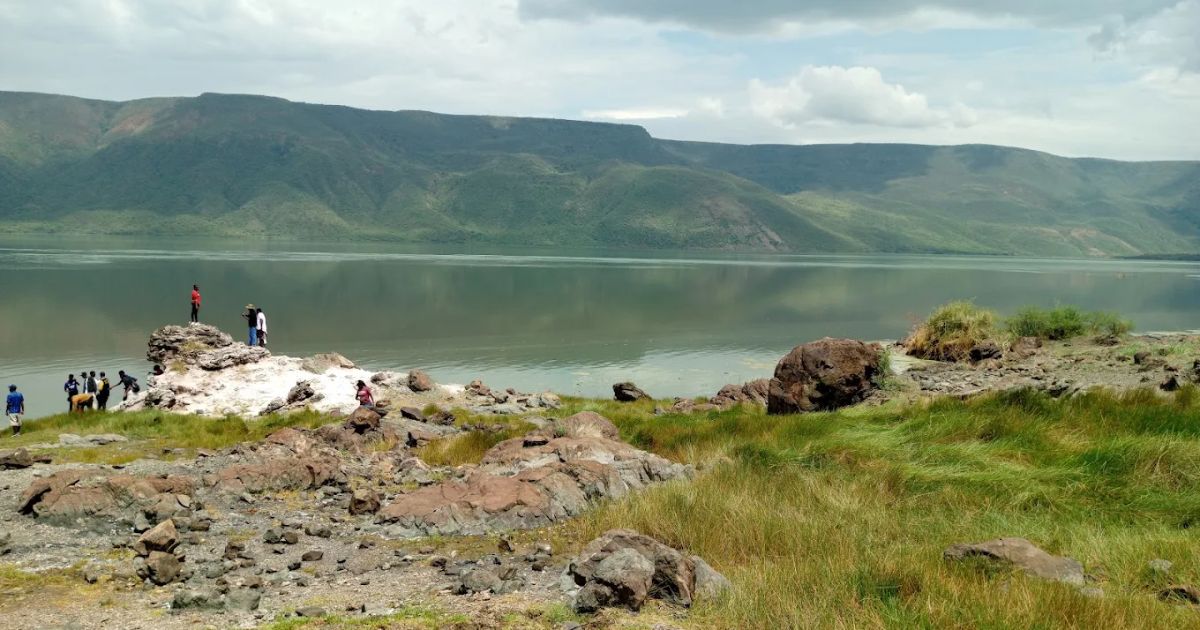
Located in Kenya’s Baringo County, Lake Bogoria is a highly alkaline and saline lake stretching across 34 kilometers. Lying at the foot of the striking Siracho Escarpment, the lake descends to a depth of about 10 meters and is framed by the lush Kesubo Swamp to the north.
Unlike the larger, heavily trafficked parks in Kenya, a Lake Bogoria Safari offers a more serene and off-the-beaten-path experience. The landscape is a dramatic contrast of barren, salt-crusted shores and dense acacia woodlands. This unique chemical composition and geological positioning make it one of the most vital feeding grounds for flamingos in East Africa and arguably the most spectacular geothermal site on the continent.
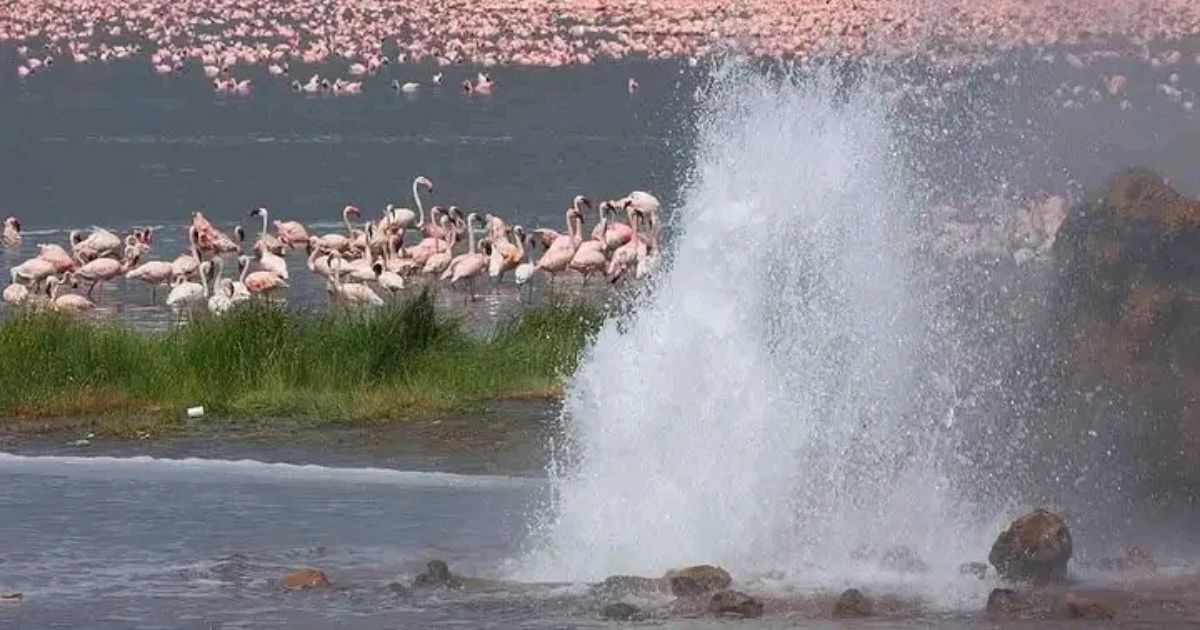
The Flamingo Migration: A Sea of Pink in Kenya.
The primary reason thousands of visitors flock to the Great Rift Valley every year is to witness the incredible avian spectacle at Lake Bogoria. Because the lake has no natural outlet, the intense sun and shallow waters create the perfect environment for cyanobacteria, commonly known as blue-green algae. This algae is the primary food source for Lesser Flamingos.
Depending on the season and water levels across the Rift Valley lakes, the flamingo population at Lake Bogoria can erupt to over two million birds. When you arrive on your Lake Bogoria Safari, the shoreline transforms into an intense, shifting blanket of fuchsia plumage.
- The Lesser Flamingo: These are the smaller, brighter pink birds that make up the vast majority of the flock. They feed almost exclusively on the algae found in these alkaline waters.
- The Greater Flamingo: Slightly taller with a whiter shade of pink and a black-tipped bill, these birds are also present, feeding on small crustaceans and insects in the mud.
When threatened by a swooping tawny eagle, the massive flocks will take to the air in unison, creating a rushing sound and a spectacular visual display that ranks among the greatest wildlife phenomena in Kenya.
The Geothermal Wonders: Lake Bogoria Hot Springs.
As if the pink clouds of birds weren’t enough, Lake Bogoria is also famous for its dramatic geothermal activity. The area is a clear indicator that the earth’s molten rock lies just beneath the surface.
The reserve features over 200 steaming volcanic springs, with some of the most impressive geysers erupting up to 5 meters (16 feet) into the air. The water circulating deep within the rock fractures is superheated, meaning by the time it reaches the surface, it has reached boiling temperatures.
One of the most popular and fun traditions on a Lake Bogoria Safari is boiling eggs in the hot springs! Your guide from www.masaiafricasafaris.com can show you the safest spots to carefully lower raw eggs into the bubbling water, giving you a perfectly hard-boiled snack cooked entirely by the earth’s natural heat.
Diverse Wildlife and Birdlife in Baringo County.
While the flamingos and hot springs steal the spotlight, the terrestrial wildlife in this region of Kenya is equally fascinating. Because the environment is harsh and alkaline, the animal population is different from what you would find in the Masai Mara, but it is incredibly rewarding for keen observers.
1. Rare Animals to Spot.
The acacia woodlands and open plains surrounding the lake support a surprising cast of wildlife. Key animals to look out for on your game drives include:
- The Greater Kudu: Known as the “king of the antelopes,” Lake Bogoria is one of the best places in Kenya to spot these majestic creatures with their spiraling horns.
- Burchell’s Zebra: Often seen grazing on the grasslands near the shores.
- Primates: Olive baboons and vervet monkeys are common sights, especially near the campsites and hot springs.
- Predators and Scavengers: While big cats are rare, lucky visitors might spot a leopard, spotted hyena, or various species of mongoose.
- Other Herbivores: Keep an eye out for impalas, gazelles, warthogs, klipspringers and the occasional buffalo.
2. A Paradise for Bird Watchers.
Beyond flamingos, Lake Bogoria is designated as a Ramsar Wetland of International Importance, hosting over 350 bird species. It is an ornithologist’s dream. During your Kenya wildlife tour, you can spot the elegant Grey Crowned Crane engaging in intricate courtship dances. Other notable species include the African spoonbill, tawny eagle, long-crested eagle, hornbills, ostriches, pelicans and the sacred ibis.
Top Activities to Enjoy on Your Lake Bogoria Safari.
To fully experience the magic of this Baringo County destination, it is highly recommended to engage in a variety of activities. When booking through www.masaiafricasafaris.com, your itinerary can be customized to include:
- Guided Game Drives: Explore the acacia woodlands and the shores of the lake in a specialized 4×4 safari vehicle. Early morning and late afternoon are the best times for wildlife viewing and photography.
- Bird Watching Tours: Armed with binoculars, spend hours identifying the hundreds of unique bird species that call the Kesubo Swamp and the lake’s edges home.
- Nature Walks and Hiking: The cliffs of the Siracho Escarpment provide incredible hiking terrain. Reaching higher elevations offers panoramic, breathtaking views of the Rift Valley and the pink-fringed lake below.
- Cycling Safaris: For the active traveler, renting a bicycle to cycle along the shoreline past bubbling geysers and grazing zebras is a thrilling way to experience the reserve.
- Cultural Community Tours: Interact with the local communities living around the reserve. Learning about their traditional way of life adds a deeply human element to your Kenyan adventure.
Best Time to Visit Lake Bogoria, Kenya.
A Lake Bogoria Safari can be enjoyed year-round, but timing your visit can enhance your experience depending on what you want to see.
- Peak Flamingo Season (August to October): The massive flocks of flamingos usually arrive when the lake’s water levels drop, increasing the concentration of algae. During these months, the lake is at its most vibrant pink.
- Dry Seasons (January to February & June to September): These months offer excellent weather with clear skies and comfortable daytime temperatures. The dry weather also makes wildlife easier to spot as animals congregate near available water sources.
- Green Season (November to May): While you may encounter occasional rains, the landscape transforms into a lush, green paradise. This is an excellent time for bird watching as migratory species are present and the scenery is beautifully dramatic for photography.
How to Get to Lake Bogoria from Nairobi.
Lake Bogoria is located approximately 240 kilometers (about 150 miles) northwest of Kenya’s capital, Nairobi. The journey by road takes roughly 4 to 5 hours and is an attraction in itself.
Driving out of Nairobi, you will pass through the spectacular Great Rift Valley viewpoint, where you can stop to take photos of the plunging escarpments. The route typically takes you through the towns of Naivasha and Nakuru before branching off toward Baringo County. Because the terrain can be rugged in certain sections near the reserve, traveling with an experienced guide and a reliable safari vehicle from www.masaiafricasafaris.com ensures a safe and comfortable trip.
Combining Your Safari: The Great Rift Valley Circuit.
A Lake Bogoria Safari is rarely done in isolation. Because of its strategic location in the Rift Valley, it is perfectly positioned to be part of a broader Kenya safari package. Popular combinations include:
- Lake Nakuru National Park: Famous for its rhinos (both black and white) and tree-climbing lions. Combining Nakuru and Bogoria gives you the ultimate birding and big game experience.
- Lake Naivasha: A freshwater lake offering boat safaris to see hippos and guided walking safaris on Crescent Island.
- Lake Baringo: Located just north of Bogoria, this freshwater lake is excellent for spotting crocodiles, hippos and fish eagles.
- The Masai Mara: After exploring the lakes, heading south to the Masai Mara National Reserve allows you to witness the Big Five and the Great Wildebeest Migration.
Why Choose Masai Africa Safaris for Your Kenya Tour?
Planning a multi-destination trip in Kenya requires local expertise, reliable transport, and deep knowledge of wildlife movements. By booking your Lake Bogoria Safari with www.masaiafricasafaris.com, you are guaranteed a seamless experience.
Their local guides know exactly where the Greater Kudu hide out, the safest hot springs for boiling your eggs, and the prime times for photographing the flamingos. Furthermore, they tailor itineraries to suit your preferred pace, ensuring you experience the magic of Kenya’s Rift Valley without the stress of logistical planning.
10 Frequently Asked Questions (FAQs) on Lake Bogoria Safari.
1. What is the main attraction on a Lake Bogoria Safari?
The main attractions are the millions of pink lesser flamingos that feed on the lake’s algae and the spectacular boiling hot springs and geysers that erupt along the shoreline.
2. Where is Lake Bogoria located?
Lake Bogoria is located in Baringo County, within the Great Rift Valley of Kenya. It is roughly a 4.5-hour drive northwest of Nairobi.
3. Are there big cats at Lake Bogoria National Reserve?
While not known for high densities of big cats like the Masai Mara, leopards are occasionally spotted hiding in the acacia woodlands around the lake.
4. Can you swim in the Lake Bogoria hot springs?
No, swimming in the main geysers is highly dangerous as the water comes out of the earth at boiling temperatures. However, some spa resorts outside the reserve boundary have regulated thermal pools where the water is safely cooled for bathing.
5. Why are the flamingos at Lake Bogoria pink?
The flamingos get their bright pink color from the beta-carotene found in the blue-green algae (cyanobacteria) they consume in the alkaline waters of the lake.
6. What is the best way to book a Lake Bogoria Safari?
The most convenient and reliable way to book your trip is through an experienced local operator. You can customize your complete itinerary by visiting www.masaiafricasafaris.com.
7. Is a Lake Bogoria Safari good for families?
Absolutely! The visual spectacle of the flamingos, the fun of boiling eggs in hot springs and the shorter game drives make it an engaging and less exhausting safari option for children and families.
8. Can I combine Lake Bogoria with the Masai Mara?
Yes, it is very popular to create a Rift Valley circuit that includes Lake Bogoria, Lake Nakuru and then proceeds to the Masai Mara for a complete Kenya wildlife experience. You can arrange this multi-park tour via www.masaiafricasafaris.com.
9. Do I need a 4×4 vehicle to visit Lake Bogoria?
While the main roads leading to Baringo County are generally well-paved, the tracks inside the reserve can be rugged, sandy or muddy depending on the season. A 4×4 safari vehicle is highly recommended for the best experience.
10. What should I pack for a Kenya safari to Lake Bogoria?
Pack light, breathable clothing for the hot daytime temperatures, a hat, high-SPF sunscreen and sunglasses. Don’t forget a good camera, binoculars for bird watching and comfortable walking shoes for exploring the escarpment and hot springs.
Final Thoughts on Lake Bogoria Safari.
A Lake Bogoria Safari is a journey into one of Kenya’s most visually stunning and geologically active landscapes. From the intense heat of the erupting geysers to the cooling shade of the acacia woodlands and from the rare Greater Kudu to the breathtaking sea of pink flamingos, this Great Rift Valley reserve offers an unparalleled nature experience. It is a destination that captures the wild, untamed beauty of Baringo County and promises memories that will last a lifetime.
Don’t wait to witness this geothermal paradise and avian wonderland. Start planning your customized, unforgettable Kenyan adventure today by visiting www.masaiafricasafaris.com and let the experts turn your safari dreams into reality.